
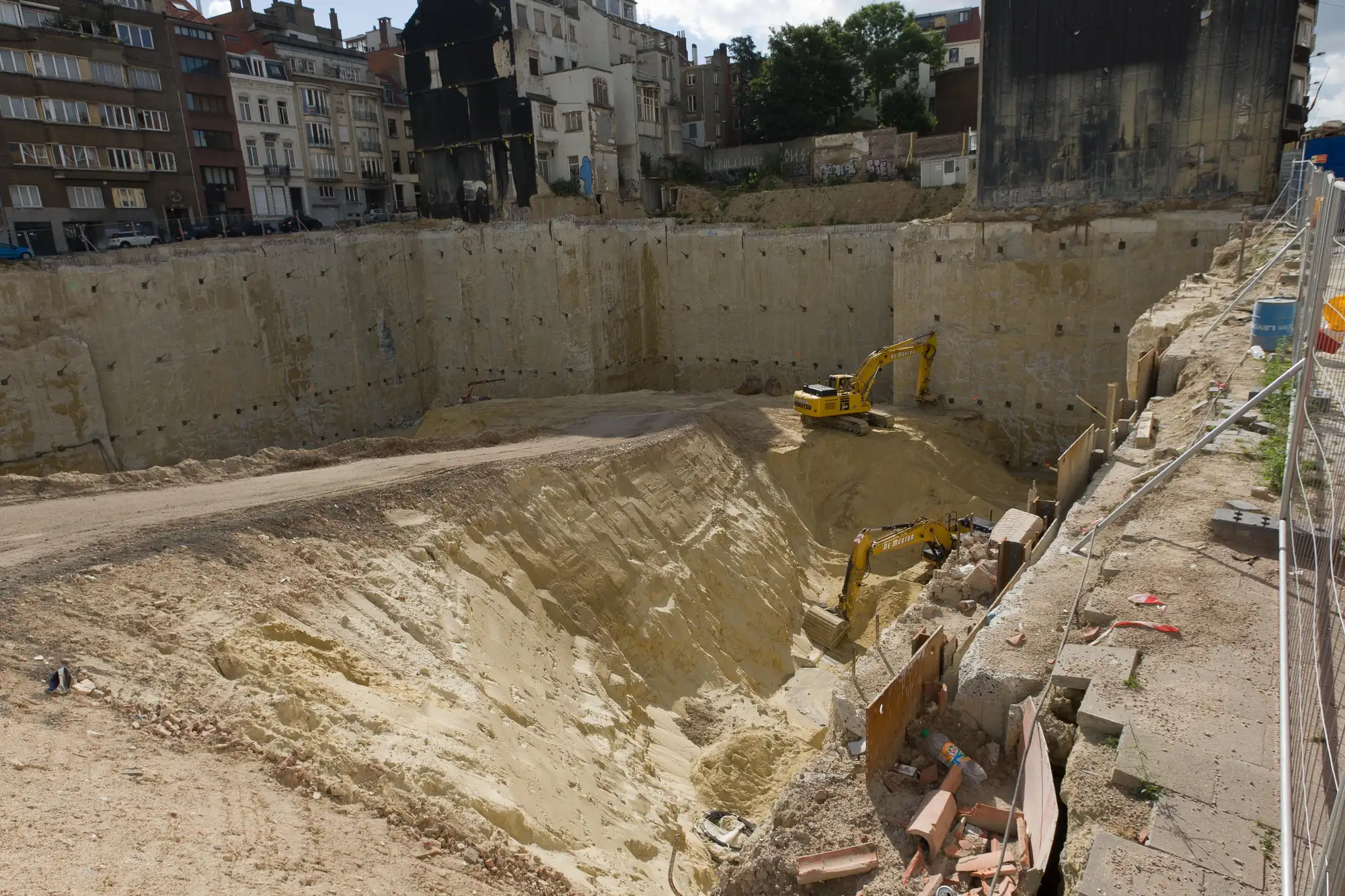
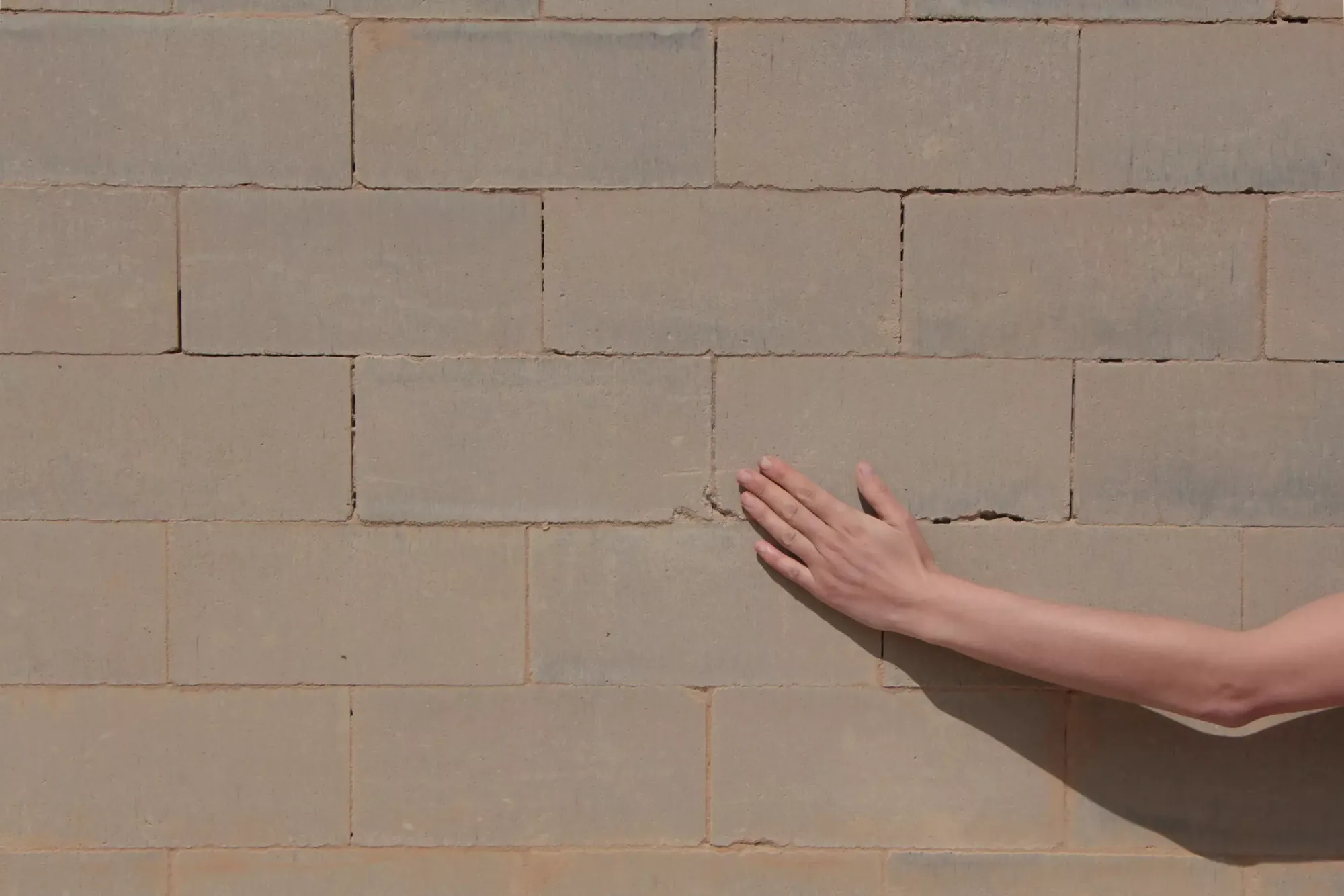
In this new exploration of sustainable materials, we look at clay and its remarkable potential to transform the construction sector. Our partner BC Materials is a pioneer of earth construction, which it champions as a sustainable, circular and healthy alternative to conventional materials. Since we are also based in Brussels, we share not only a city but also a vision of the future of sustainable construction. We will even soon share a workspace at the StadsAtelier, a future flagship project for the city, and we are looking forward to it!
Founded in 2018 as a workers' cooperative, BC Materials grew out of the initiative of Ken De Cooman, Nicolas Coeckelberghs, Laurens Bekemans and Wes Degreef. Its aim: to replace standard building materials with earth-based options, to counter the sector's immense environmental footprint.
Buildings and construction account for nearly 40% of global energy-related CO₂ emissions, and for a large share of resource depletion and of the waste produced. BC Materials takes up this challenge by turning urban mineral waste, such as soil excavated on building sites, into circular building materials:
BC Materials works with raw earth, which is not fired: its products therefore have very low embodied carbon, require no energy-intensive processing and can be rehydrated and reused at end of life.
Why build with earth? BC Materials puts forward several convincing reasons:
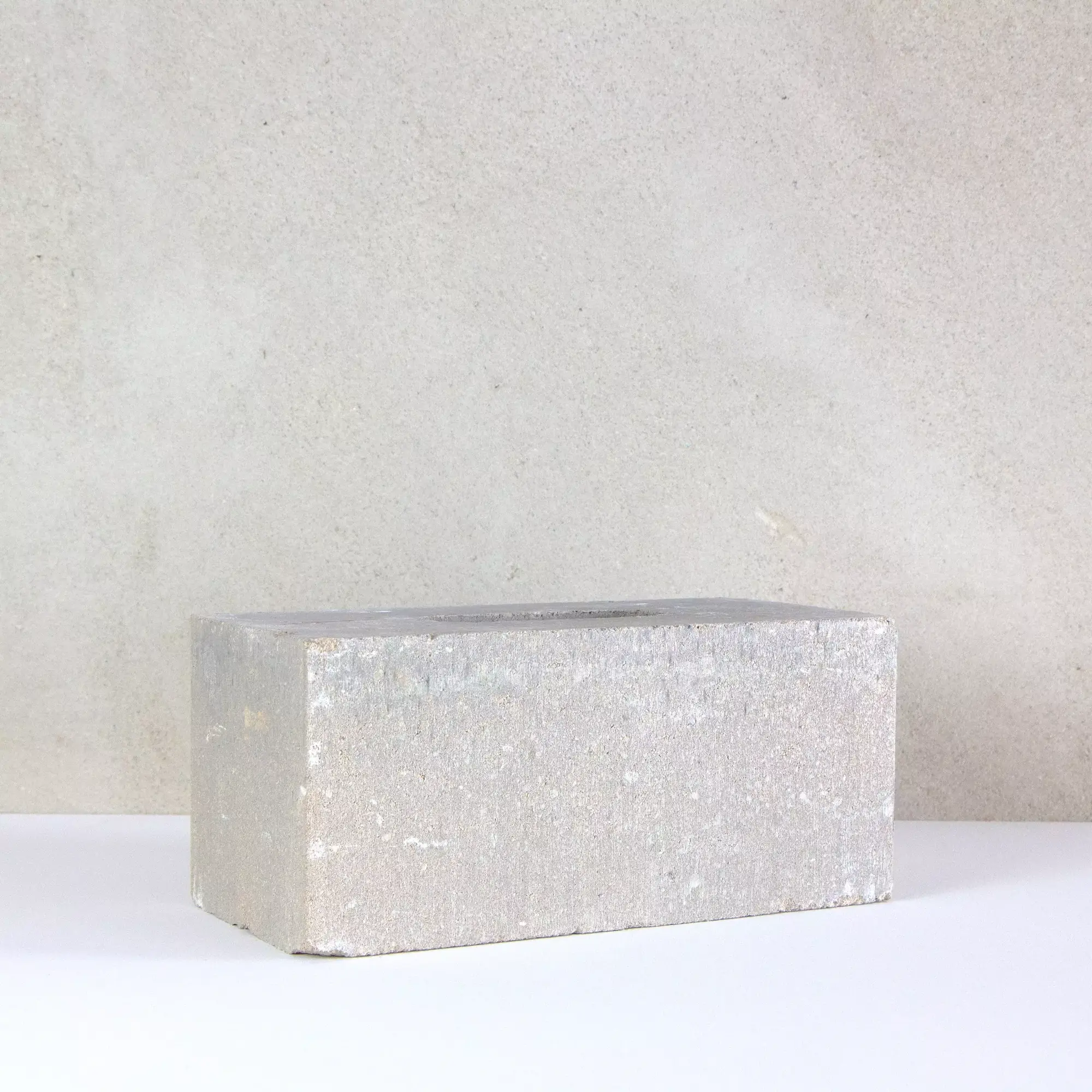
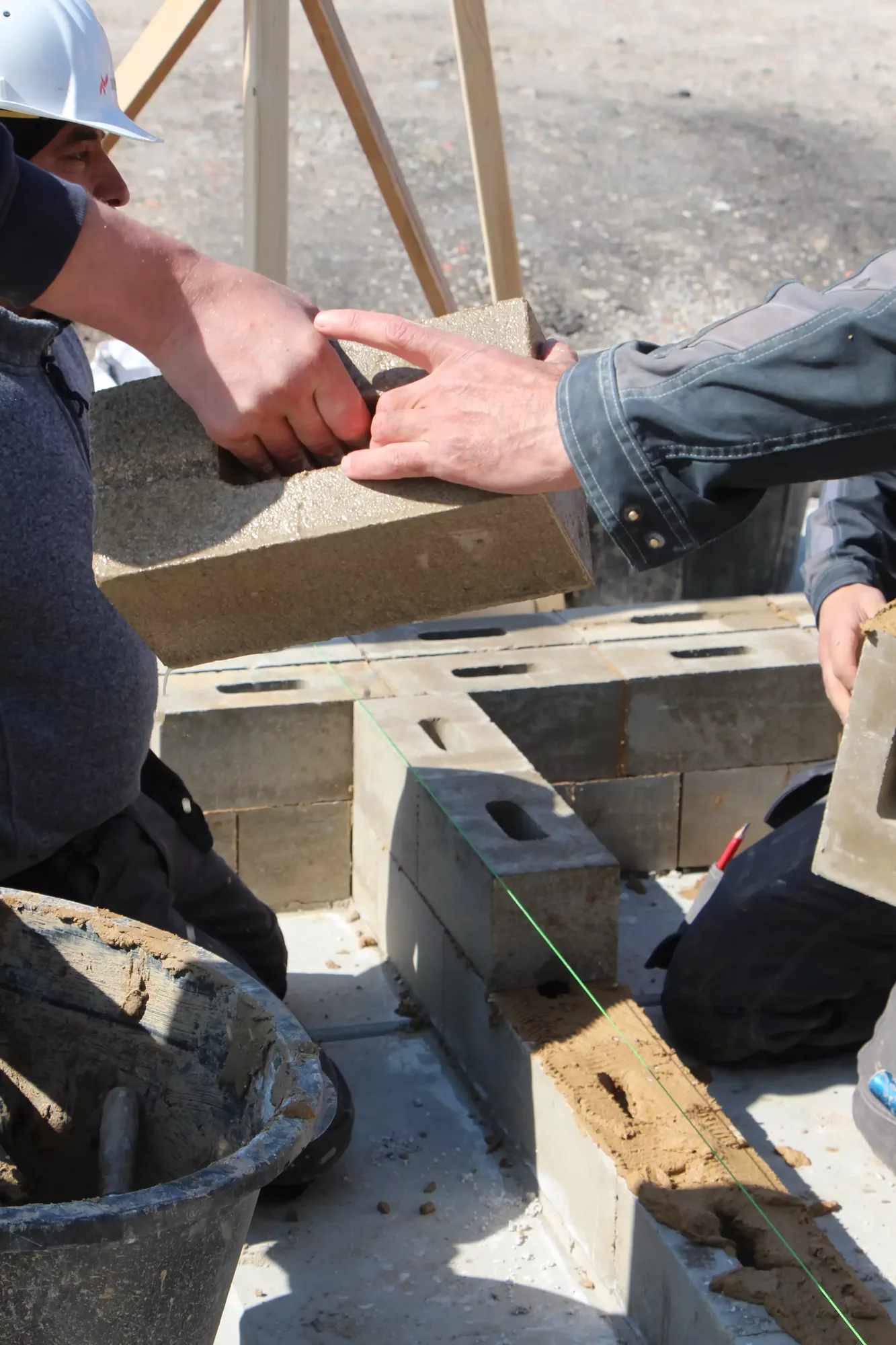
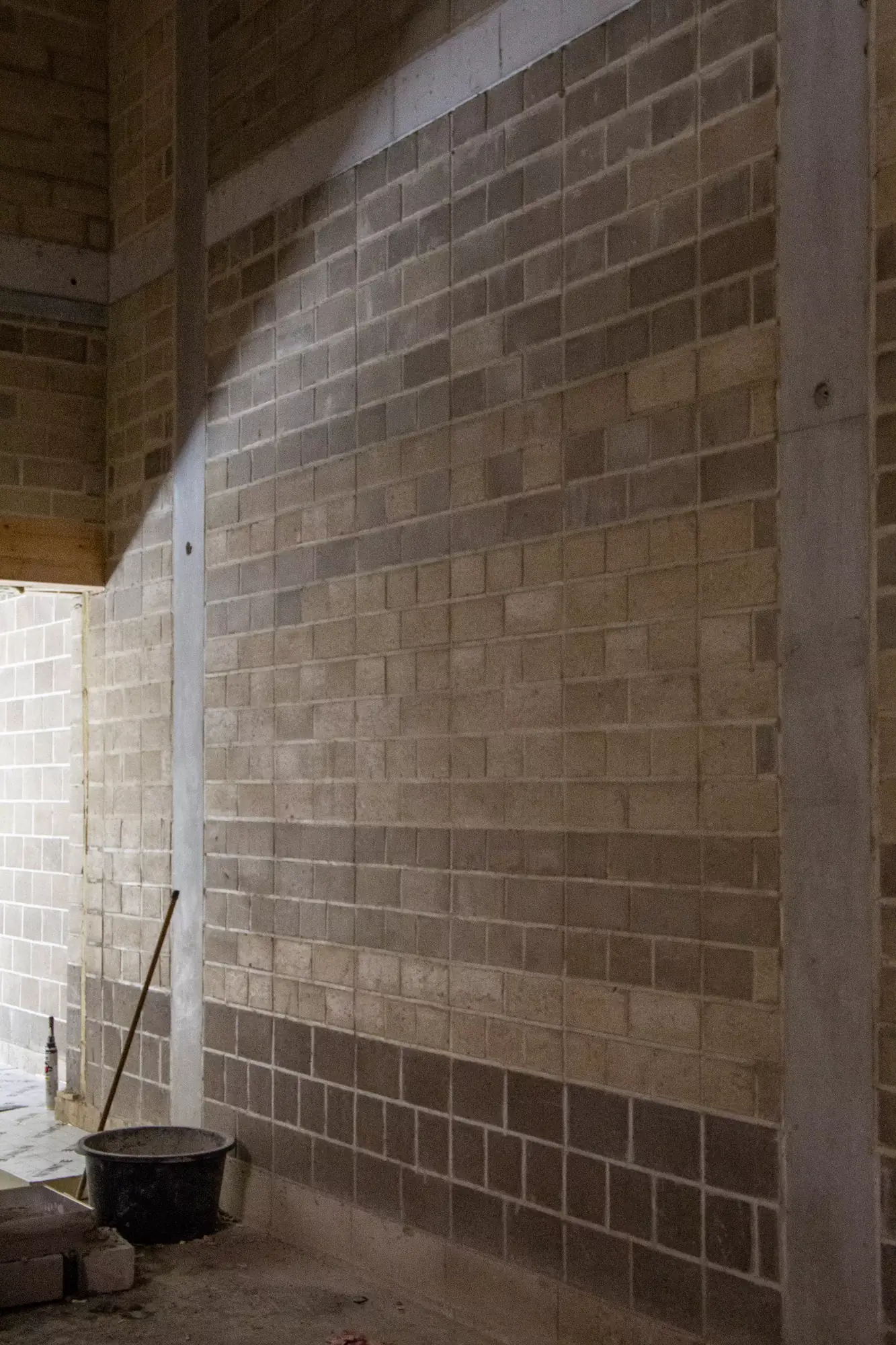
BC Materials' flagship range, Léém, aims to bring earth into everyday use in construction. From rammed earth walls to clay plasters, Léém materials are designed to make clay accessible to contractors and architects alike. Working with industrial partners such as Brickz, Vande Moortel and Claesen Betonbedrijf, BC Materials is scaling up its production to meet the growing demand for these ecological alternatives.
BC Materials recently launched a range of clay paints, ideal for refreshing an interior with a natural and sustainable touch. If you are planning to repaint your flat over the holidays, we can only recommend them. Their warm tones and ecological composition make them a pleasure for the planet and for your walls alike.
BC Materials is a Brussels initiative deeply rooted in local life, and we are proud of that connection. The future StadsAtelier project will bring our teams closer together, creating a collaborative space where sustainability meets innovation. This flagship project in the heart of Brussels reflects the city's commitment to circular construction, and BC Materials is at the forefront of making it happen.
Among BC Materials' options, rammed earth deserves particular attention. This ancestral building method, used for thousands of years, is making a comeback thanks to its simplicity, its durability and its performance. The process consists of compacting layers of earth to form structural elements such as walls and floors.
BC Materials' expertise in rammed earth is renewing its use in contemporary architecture. It proves that ancient methods can meet today's sustainability challenges.
BC Materials' work is not limited to materials: it is about rethinking the way we build. By turning waste into resources, promoting very-low-carbon options and committing to circularity, the cooperative contributes to buildings that are healthier for people and for the planet.
Working with BC Materials is a natural fit for Natura Mater. Their passion for clay matches our commitment to sustainable construction, and we look forward to seeing how their innovations will shape the StadsAtelier and other landmark projects in Brussels and beyond.
Whether you are preparing a major renovation, designing an ecological house or simply looking for the right clay paint for your next project, BC Materials offers the tools and the expertise to bring your vision to life, naturally.
Update of 5 November 2026: this article describes the situation in December 2024, including the StadsAtelier project. Three statements have been corrected: the share of construction in emissions (nearly 40% of global energy-related CO₂ emissions, not 40% of European emissions), the “carbon neutrality” of raw earth (its embodied carbon is very low, not zero) and its reuse “indefinitely” (raw earth can be rehydrated and reused at end of life).
Three pieces from the Magazine, around raw earth.
A white clay plaster, a journey to Poland, and the origin of Natura Mater.
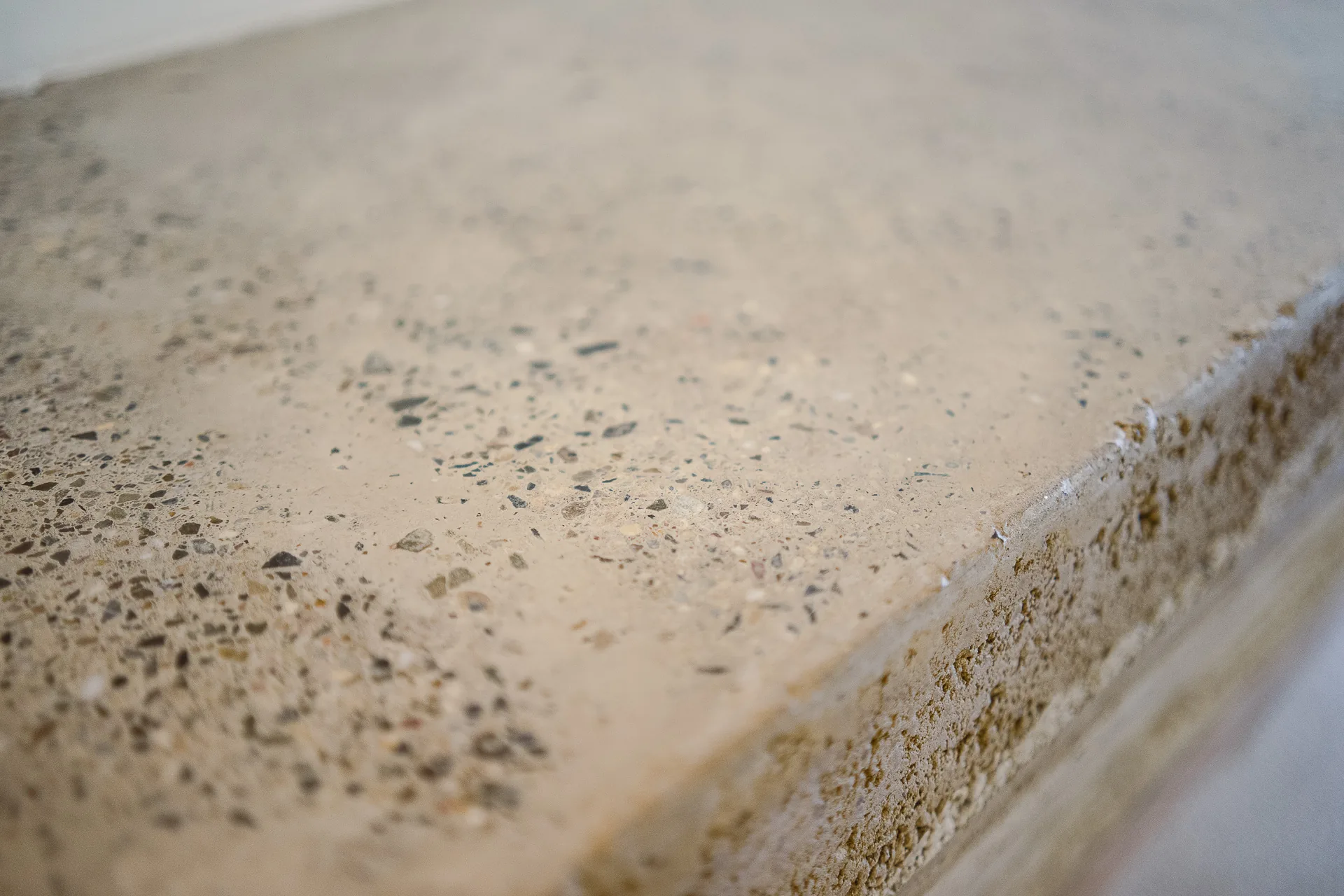
Rammed earth and linen cladding in a Brussels commercial interior.
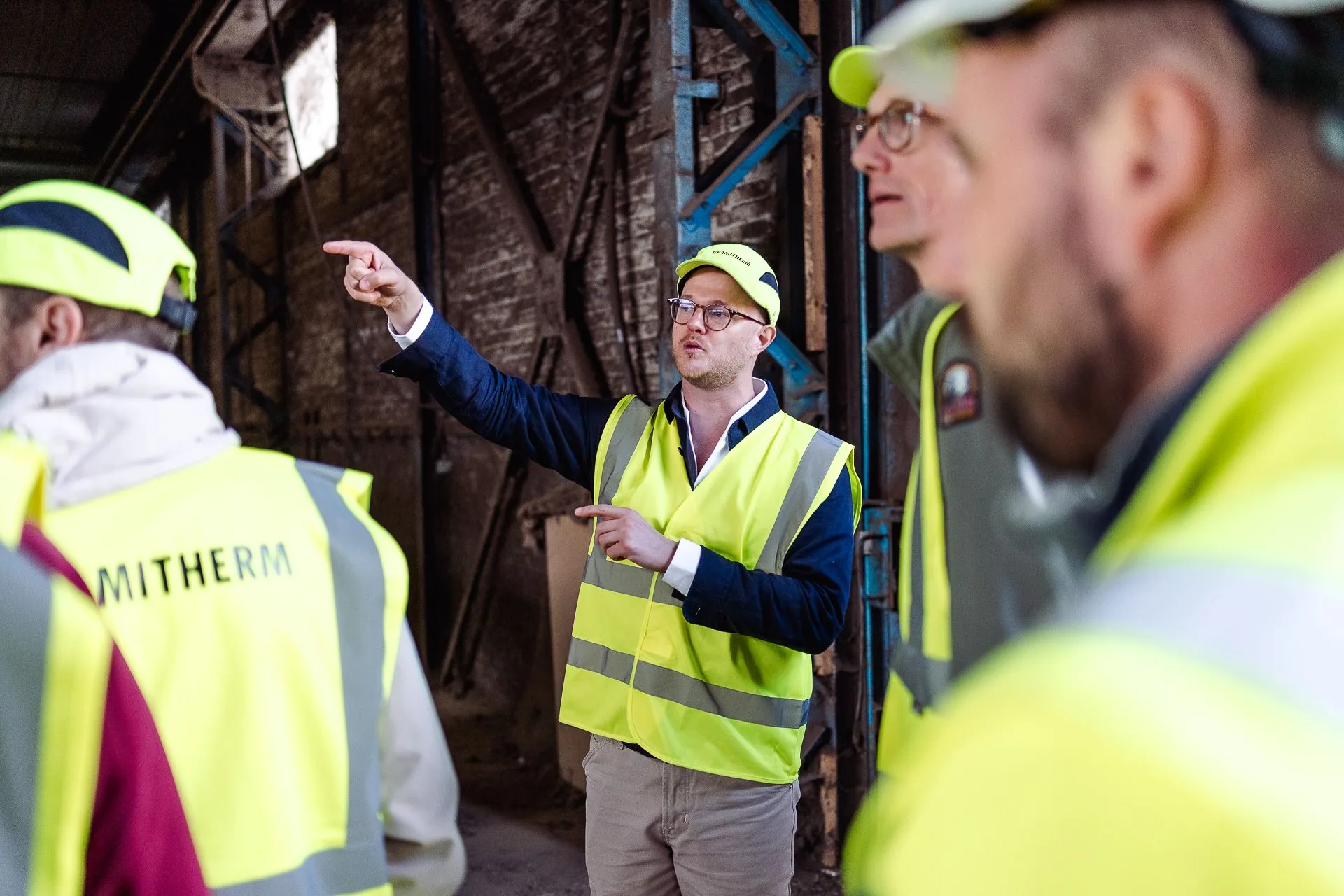
Belgium is more than ready for the transition in construction, and it is not talked about enough.