
Projects followed over time, materials documented and a watch on the sector. We write about what we observe in the field, project after project.
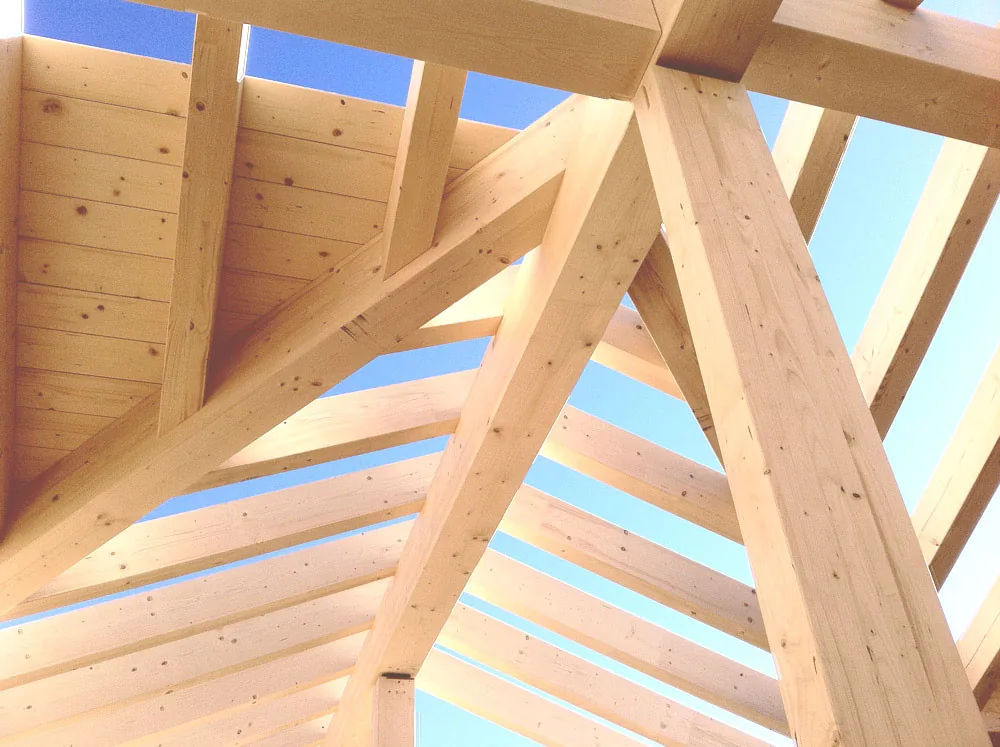
Some materials, like CLT, have seen their score significantly improved, while others, like flexible wood fibre insulation, are surprisingly penalised.
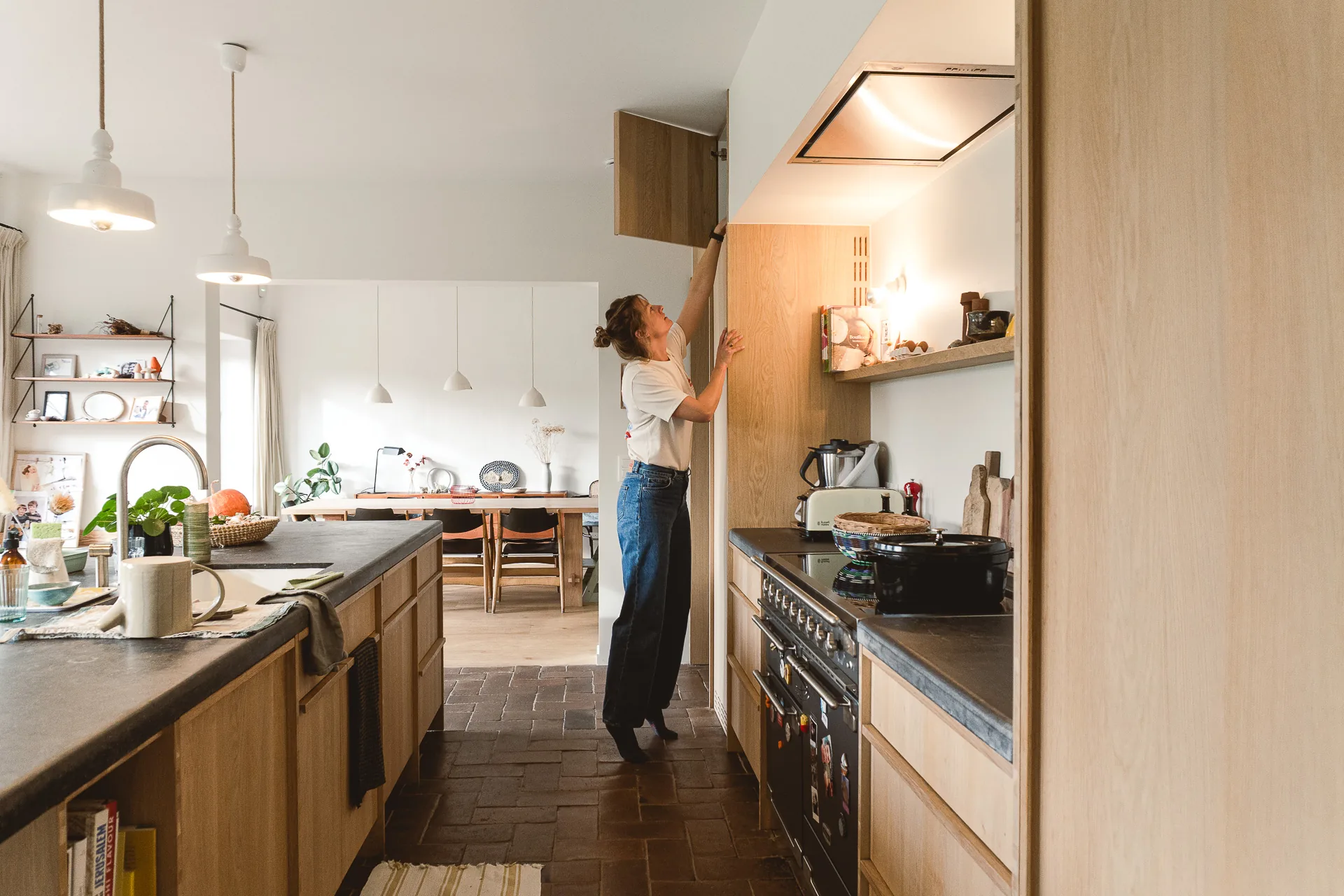
In Verviers, architect Laurence Thys turned the renovation of her family home into a testing ground for her own convictions about alternative ways of building.
Announced on 6 October, the TOTEM update brings the study period down from 60 to 50 years.
Belgium is more than ready for the transition in construction, and it is not talked about enough.
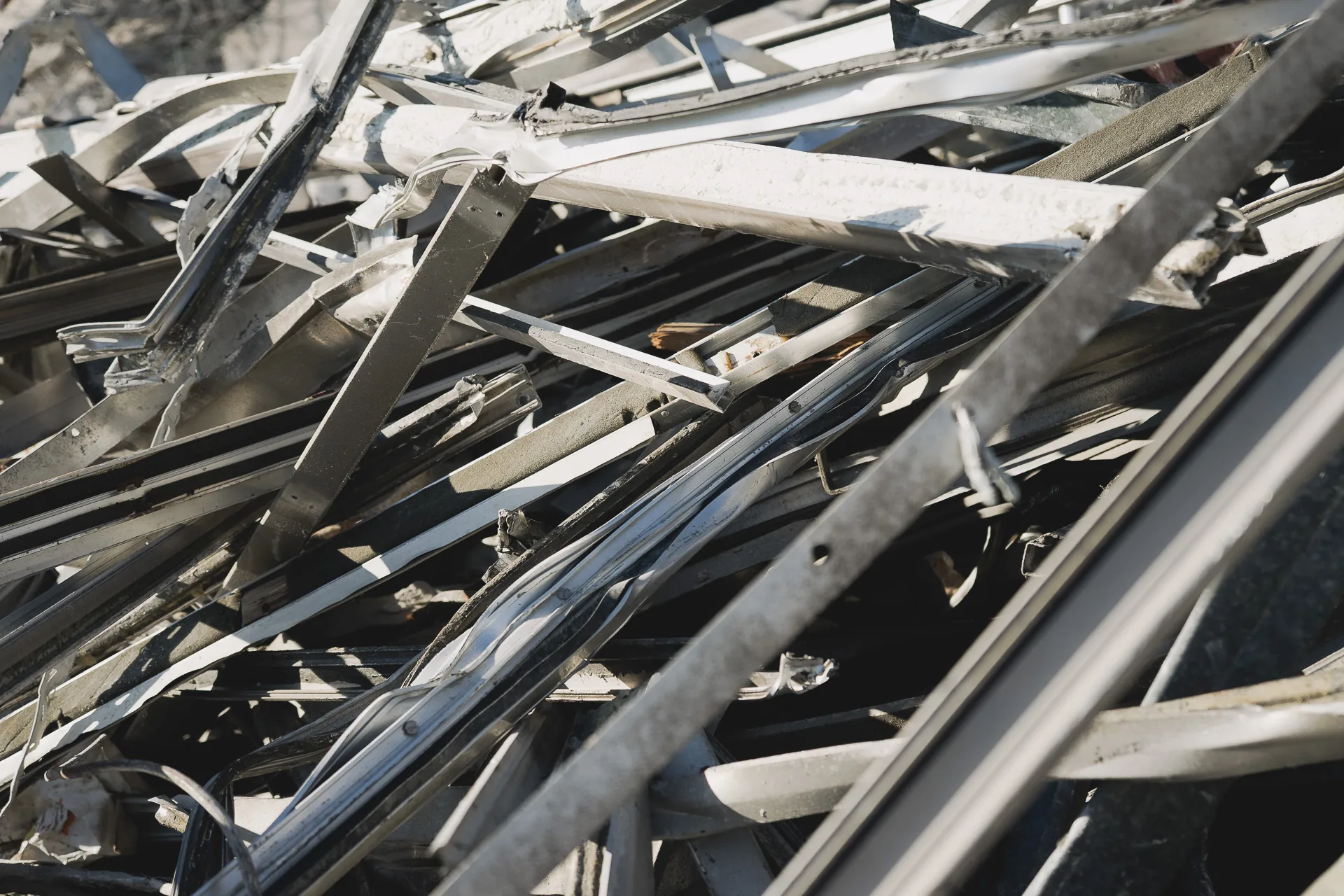
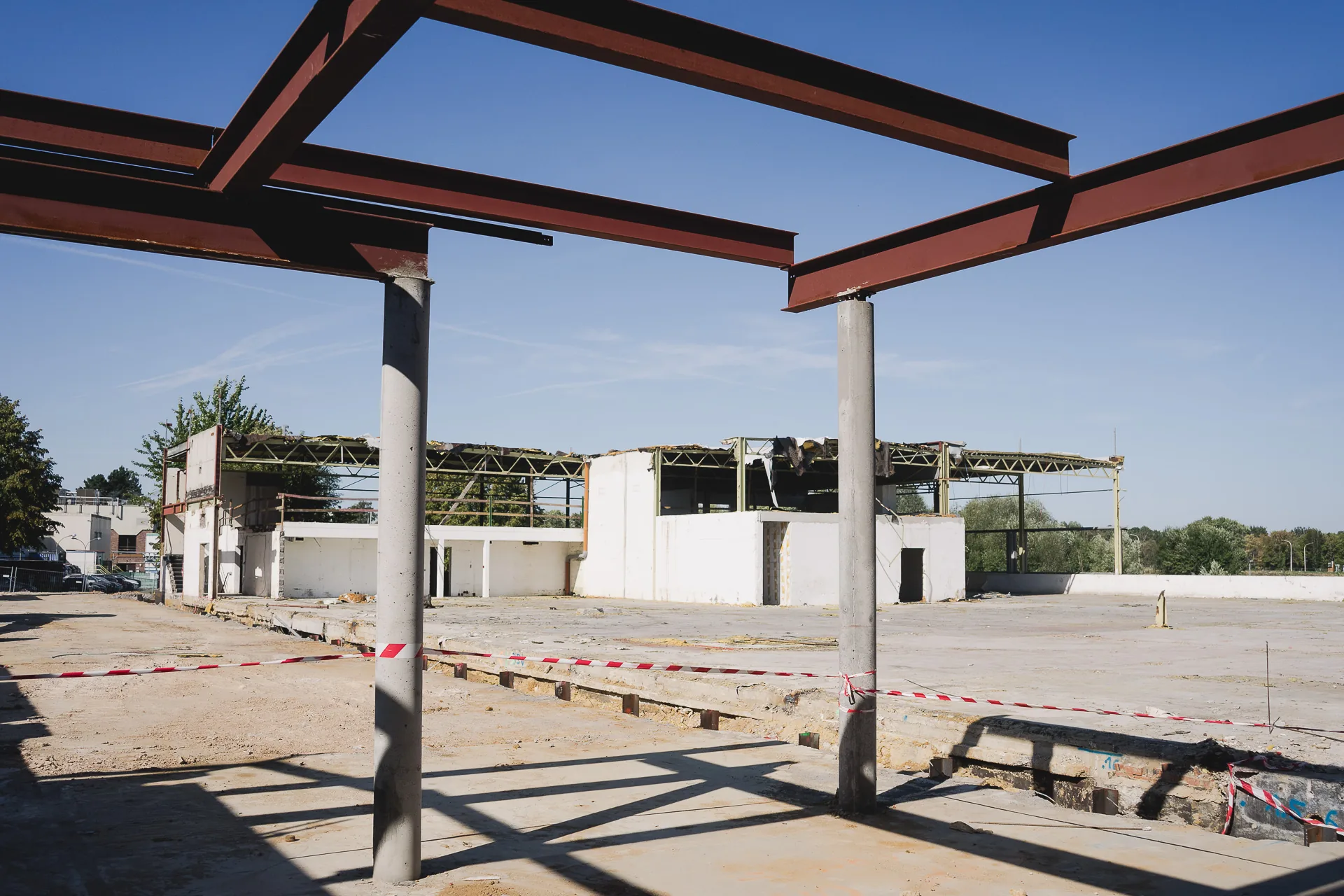
In Louvain-la-Neuve, the renovation of the Odoo campus looks first to the existing building for its materials: the steel, the bricks and the glazed partitions are dismantled to be reused in the project.
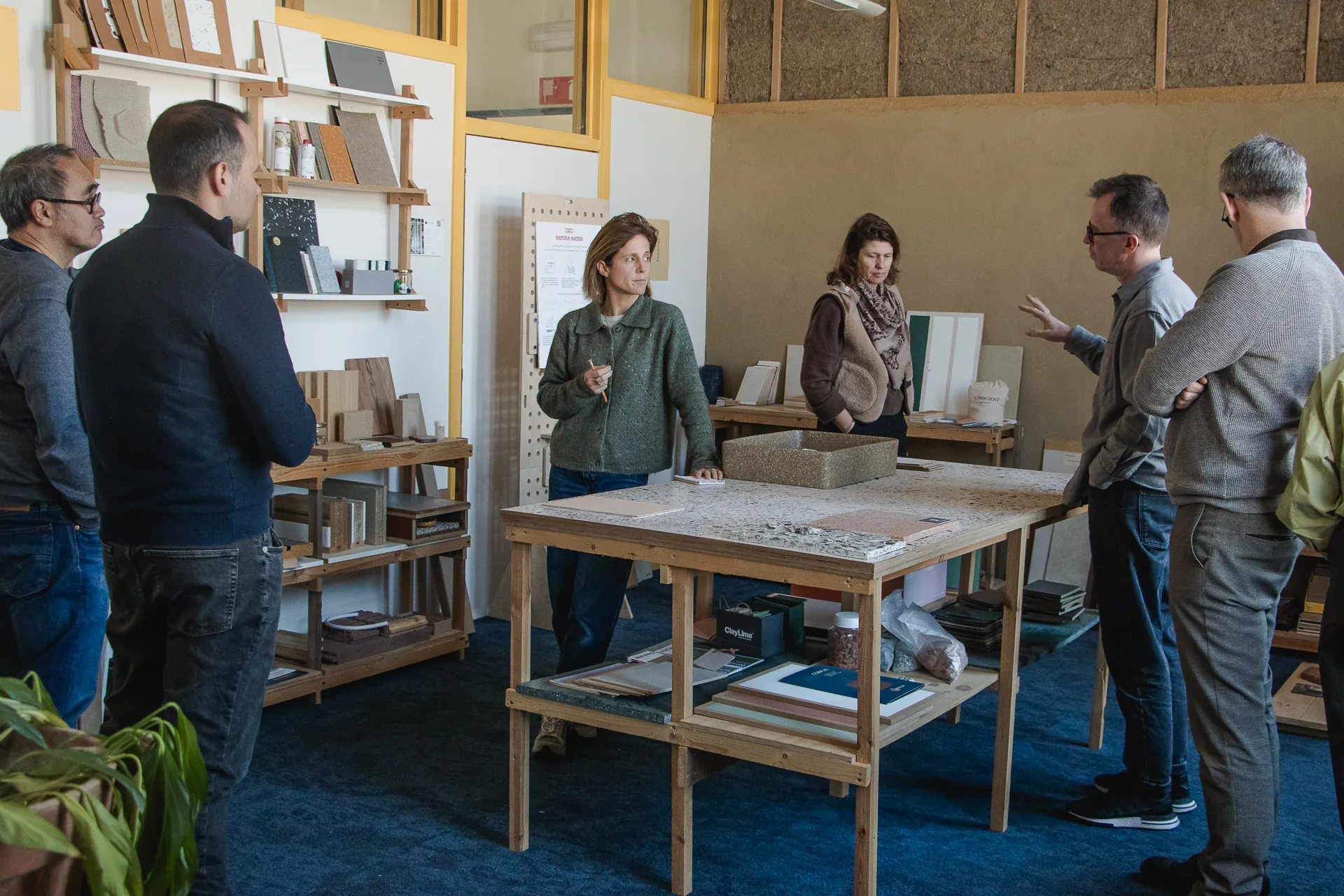
Natura Mater teaches its Master Class in eight modules, from an overview of low-impact materials to the regulatory framework.
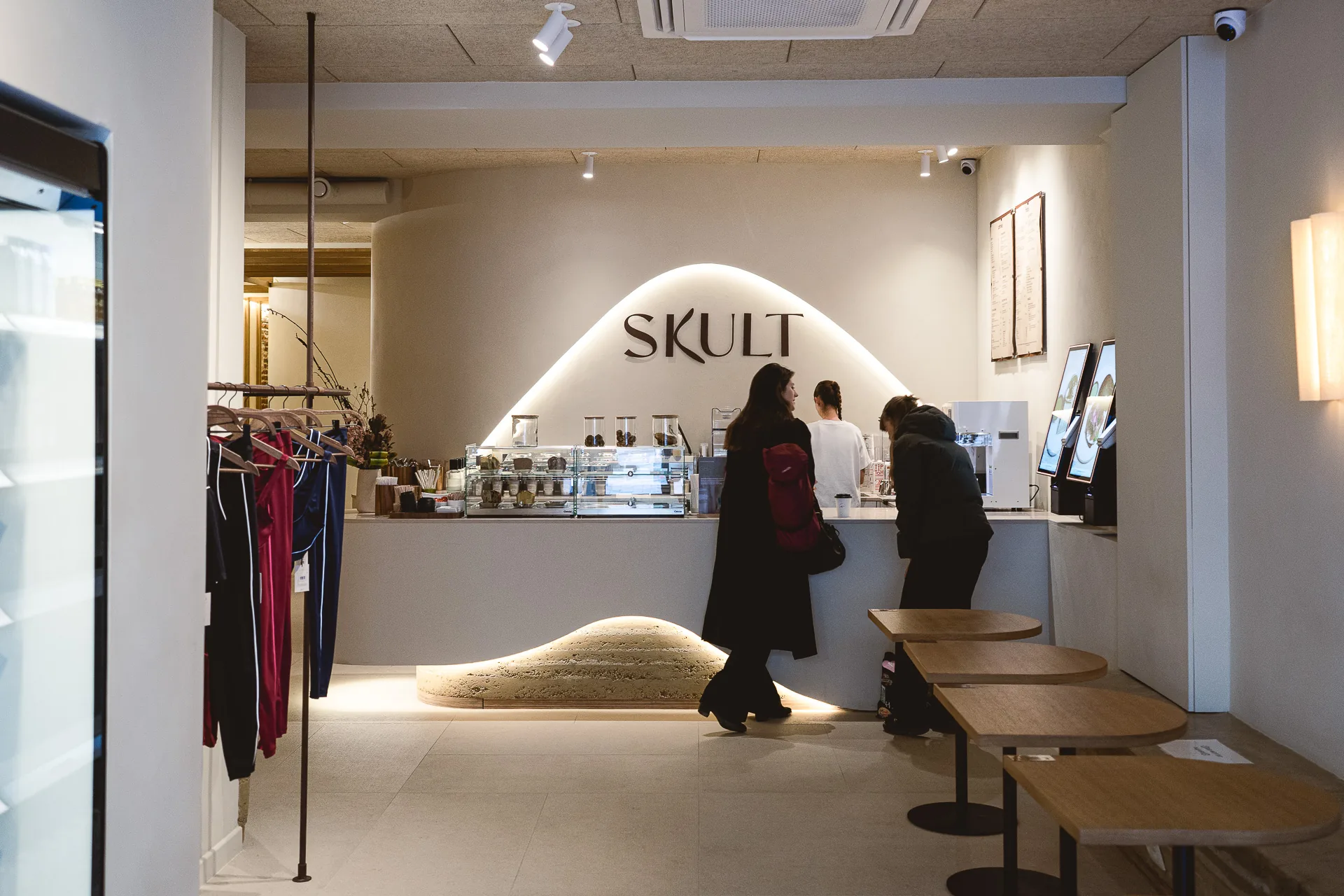
In Brussels, SKULT Studios brings a Pilates studio and a café together under one roof.
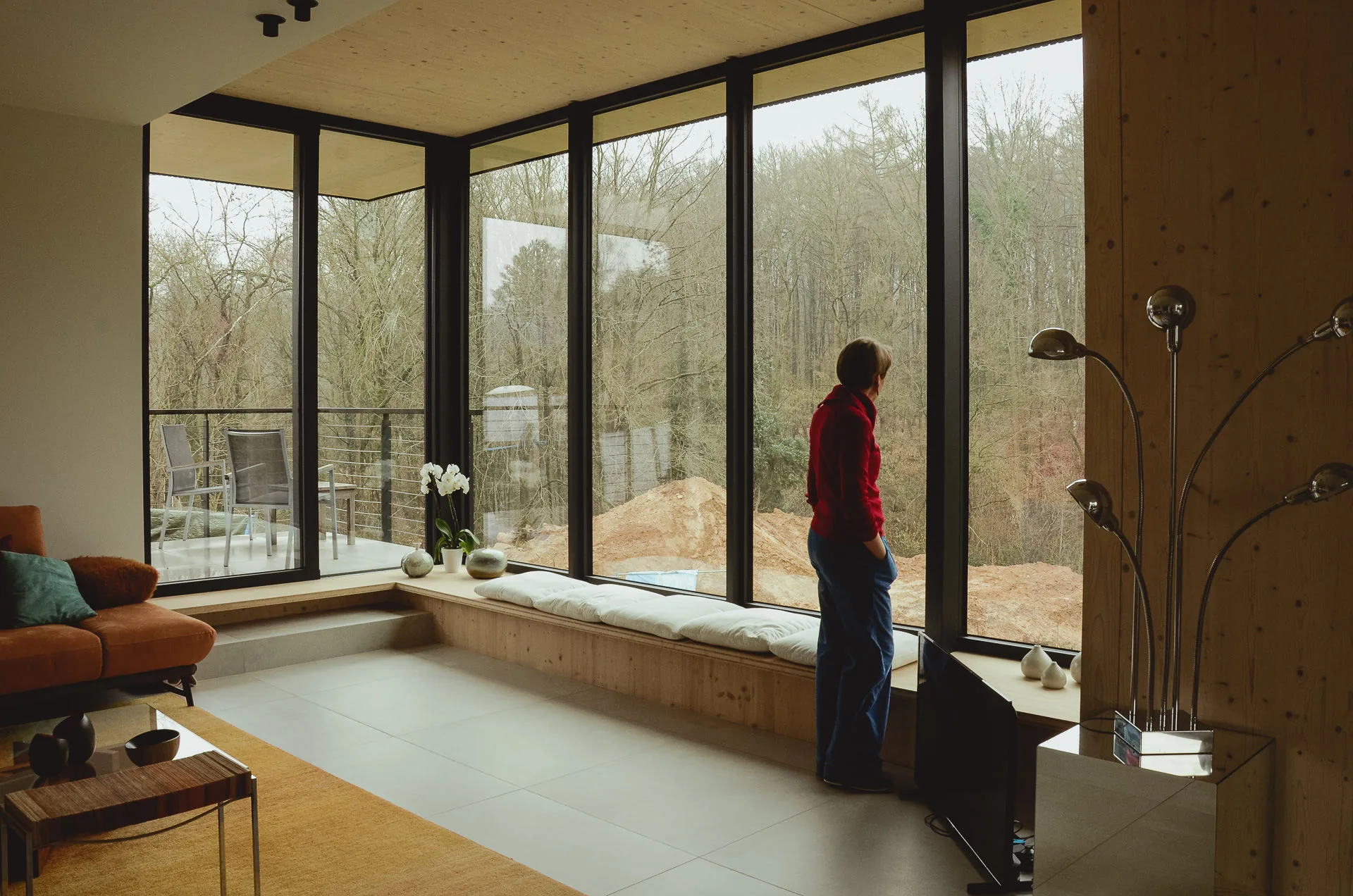
In Beersel, this single-family house illustrates a coherent approach to sustainable construction, in which the choice of materials helps both to reduce environmental impact and to improve indoor comfort.
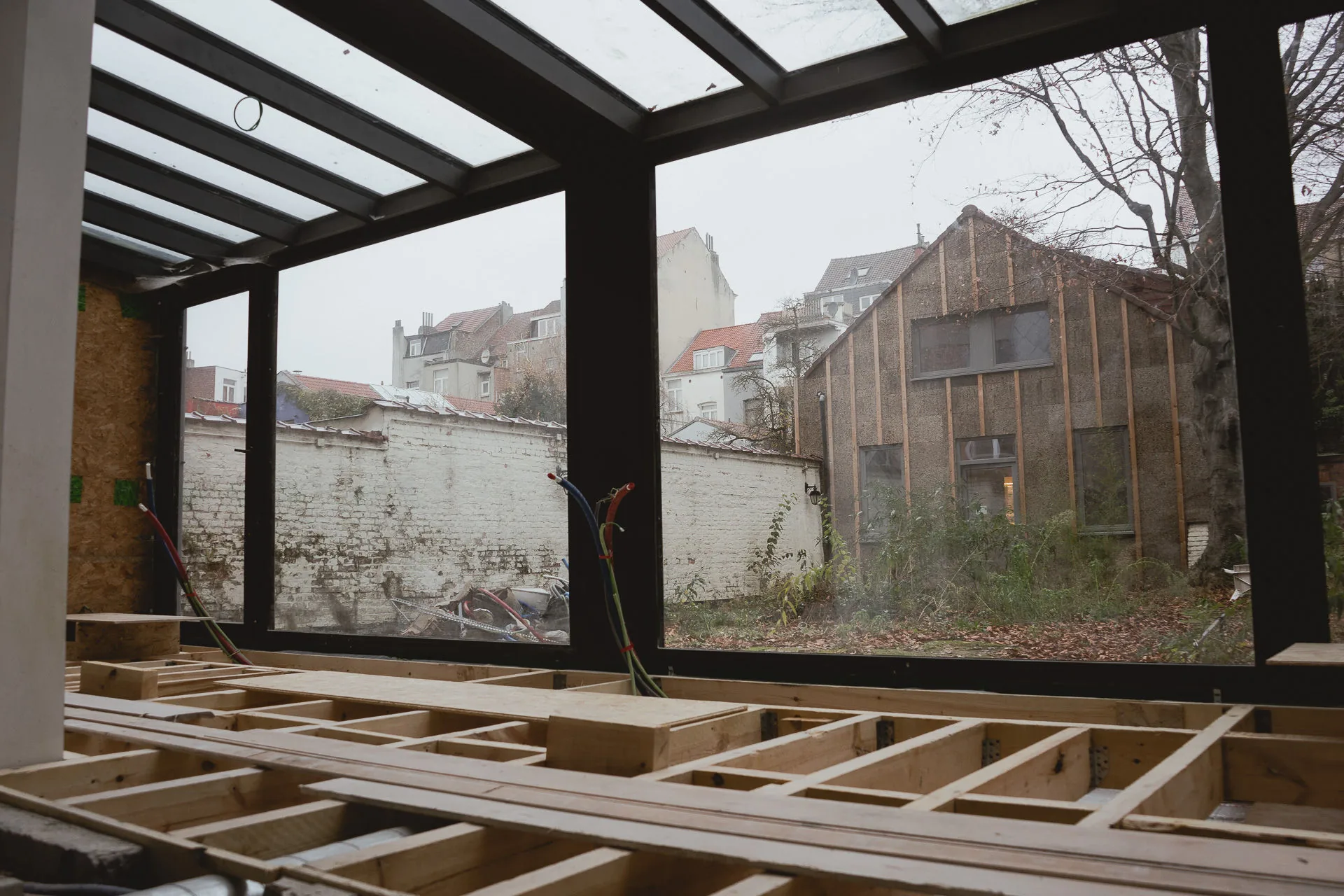
At a time when buildings still too often tend towards an accumulation of technical systems, some projects take the opposite approach.
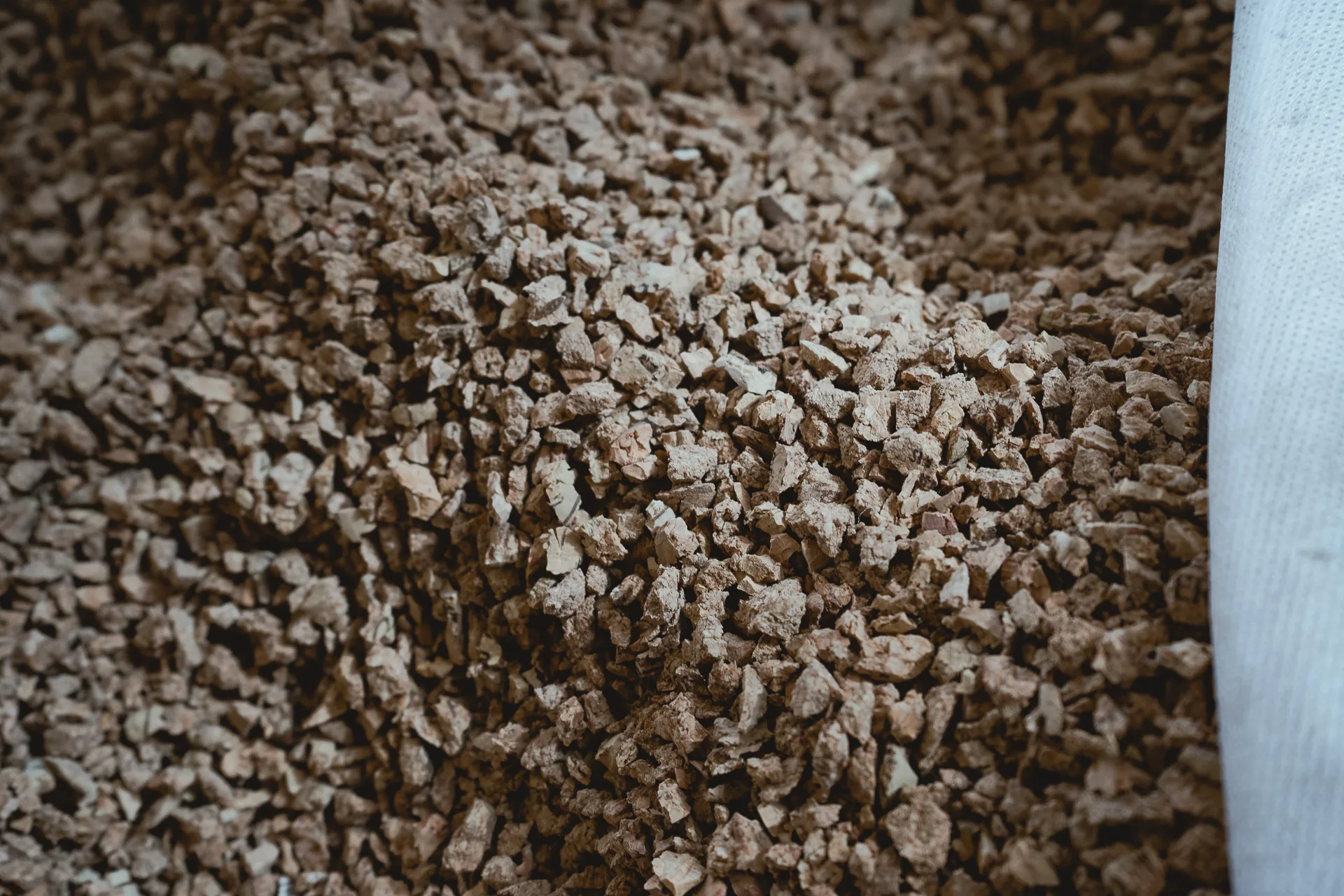
Granules of recycled cork stoppers, laid as loose fill with no supporting structure: circular utopia or genuine technical advance?
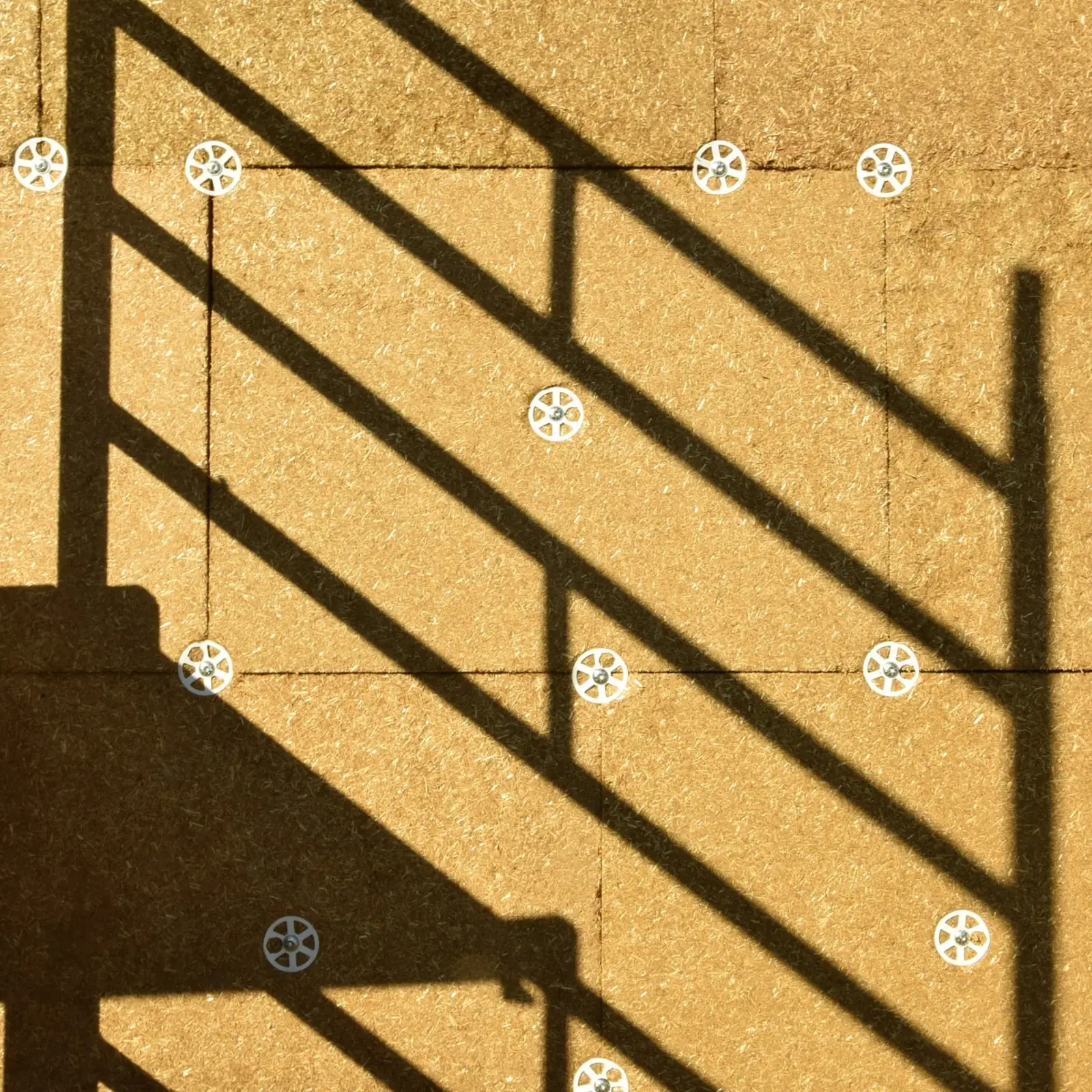
With VestaEco, straw becomes a cornerstone of sustainable construction: rigid insulation boards, LDF and external wall insulation.
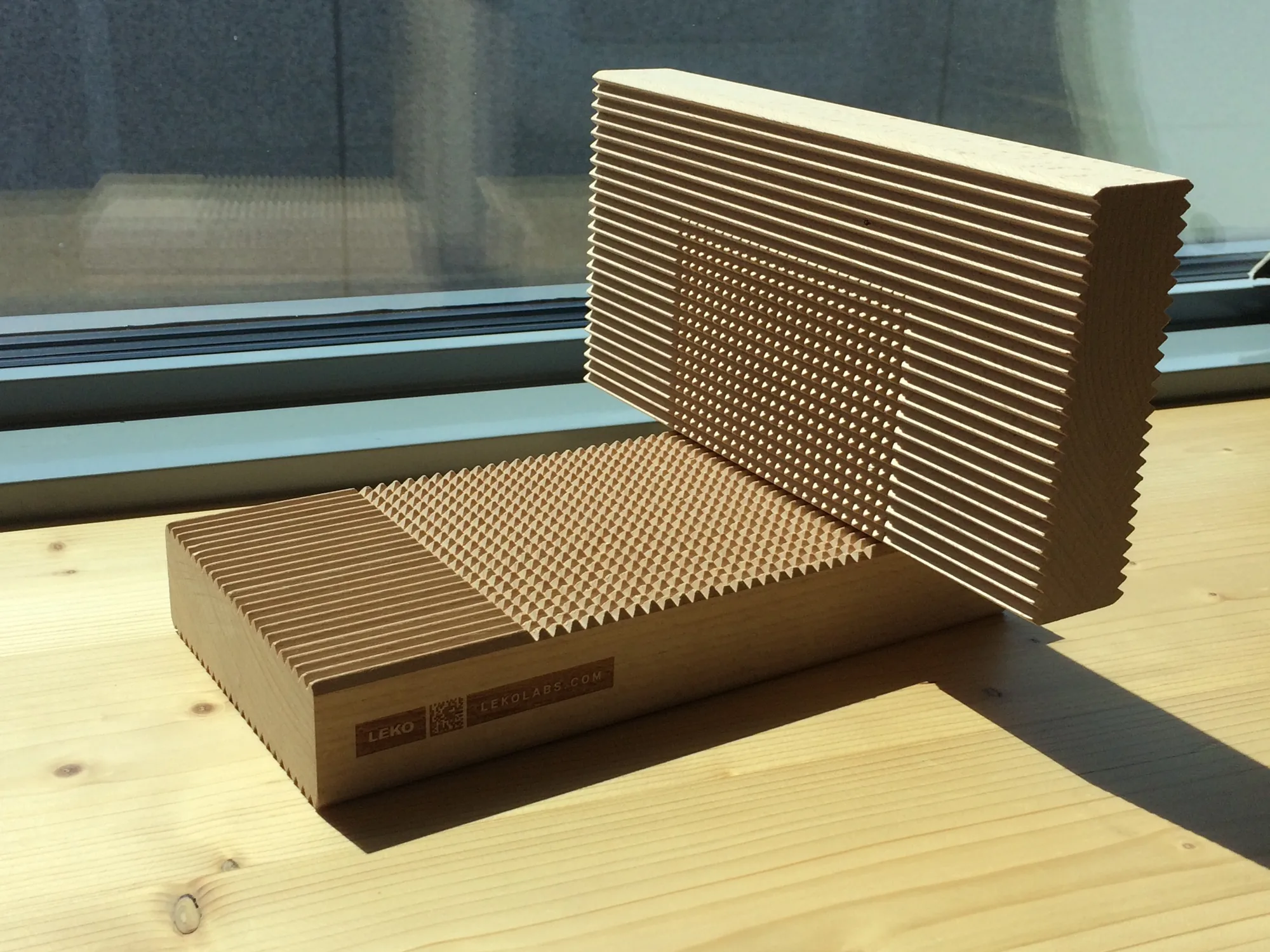
Leko Labs combines the qualities of timber with generative design and robotic prefabrication to replace steel and concrete.
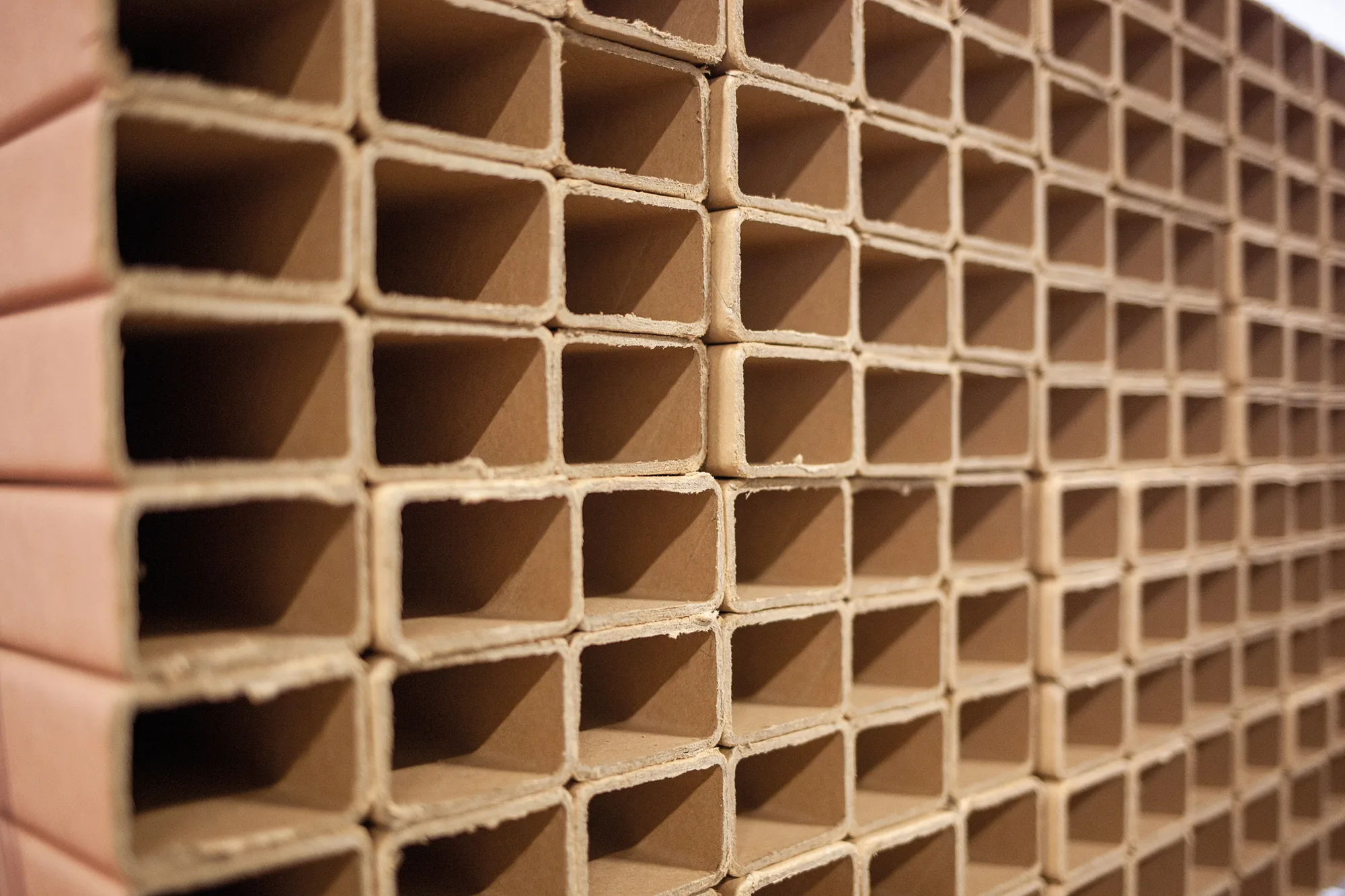
In Säffle, Sweden, Wood Tube replaces the metal studs of partitions with recycled paper studs.
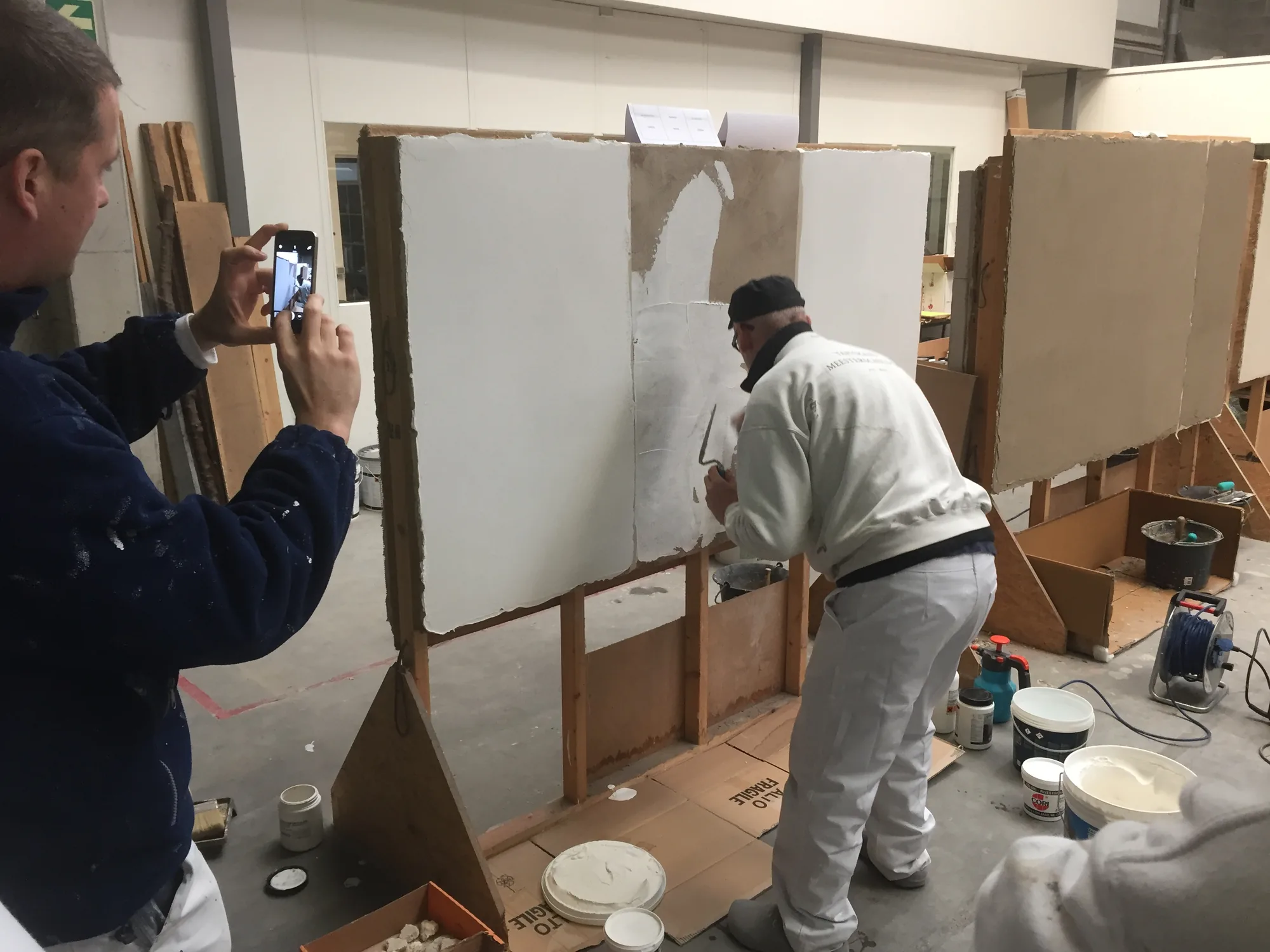
One of the oldest building materials is finding its place again: the history, production and uses of lime, with Arte Constructo.
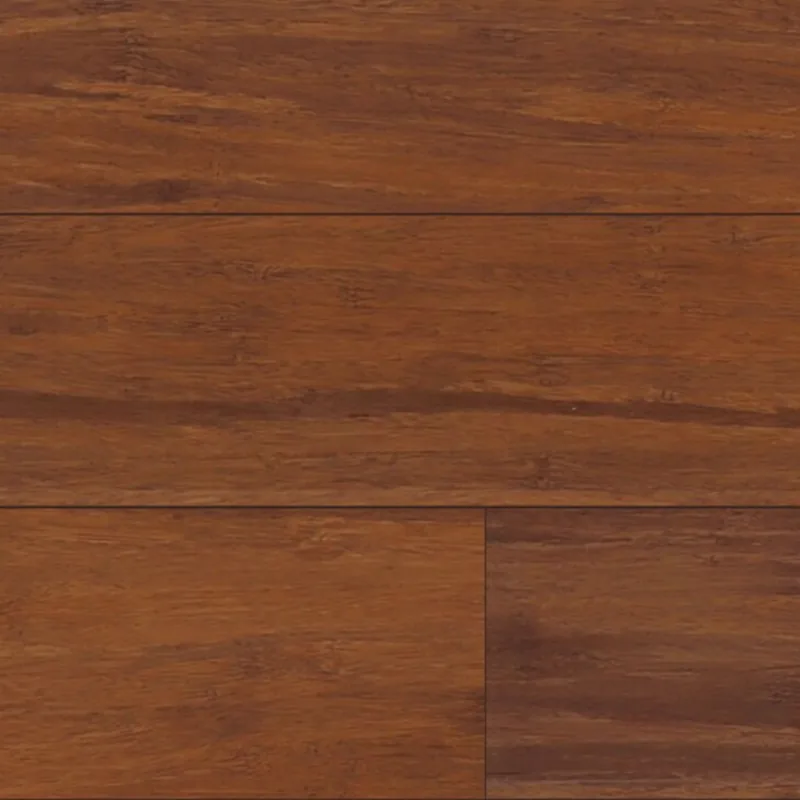
Renewable, strong and adaptable, bamboo is becoming a convincing alternative to conventional timber, indoors and out.
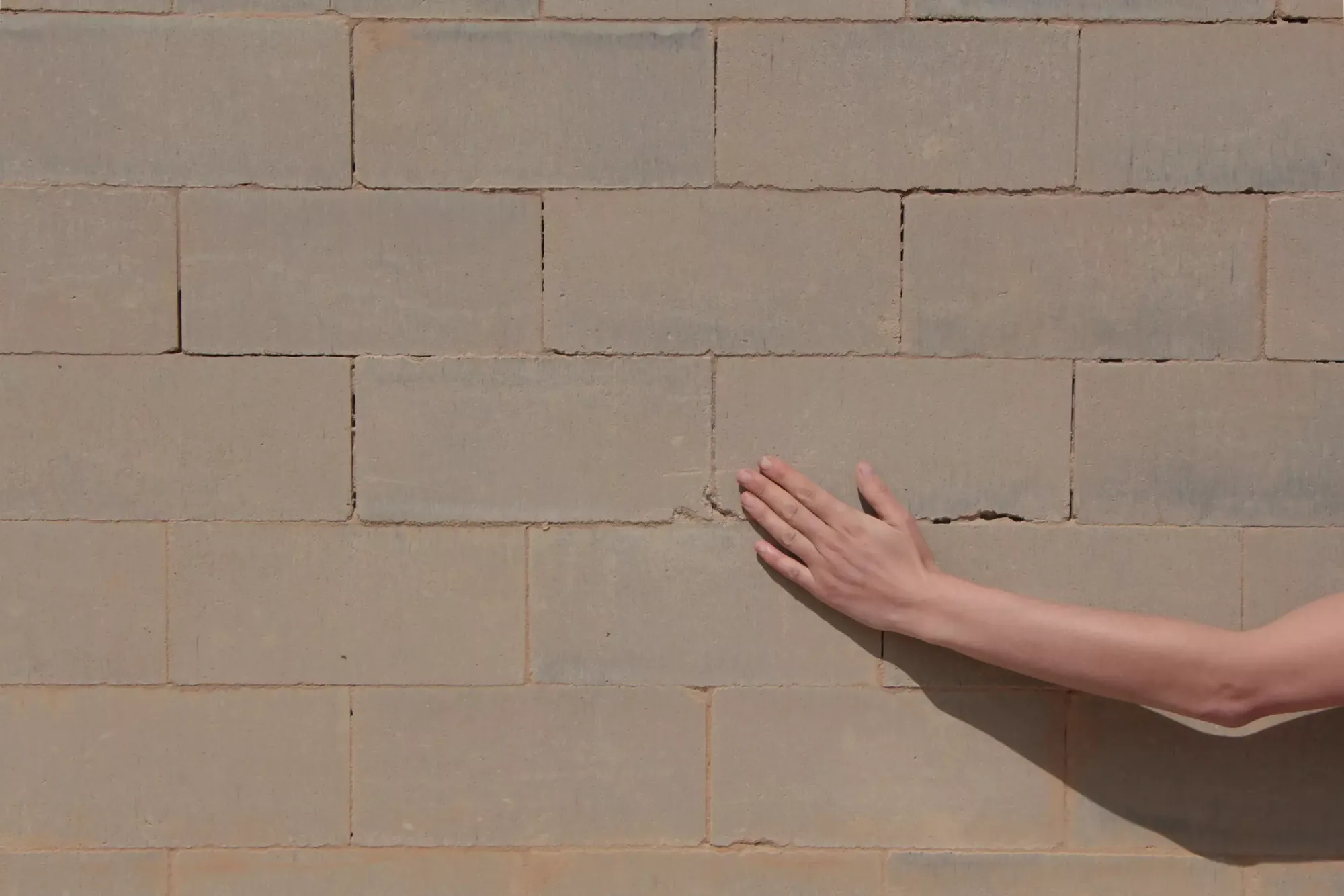
A Brussels pioneer of earth construction, the BC Materials cooperative turns excavated soil into circular building materials.
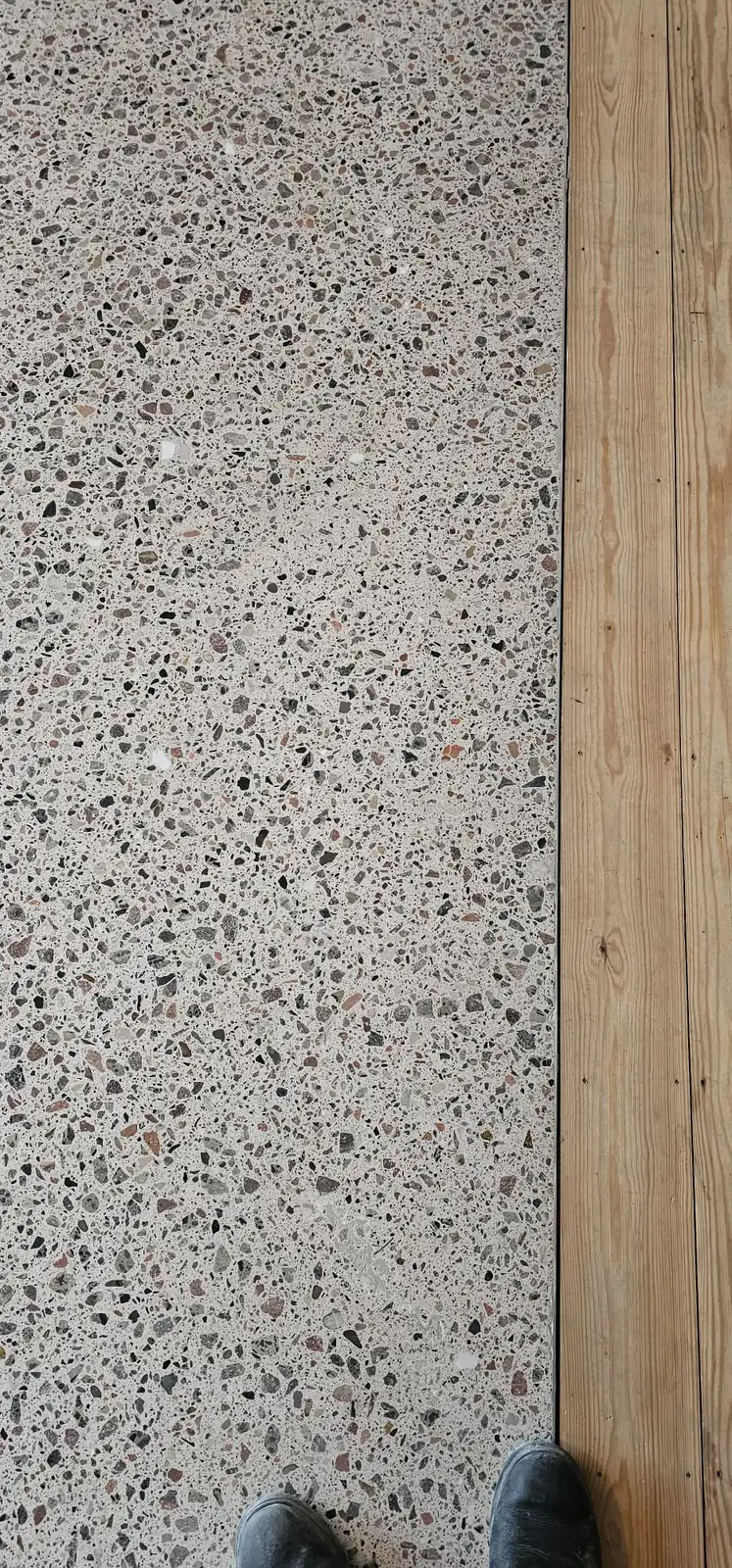
Recuperazzo turns mineral construction waste, such as granite, glass and concrete, into floors and furniture of circular design.
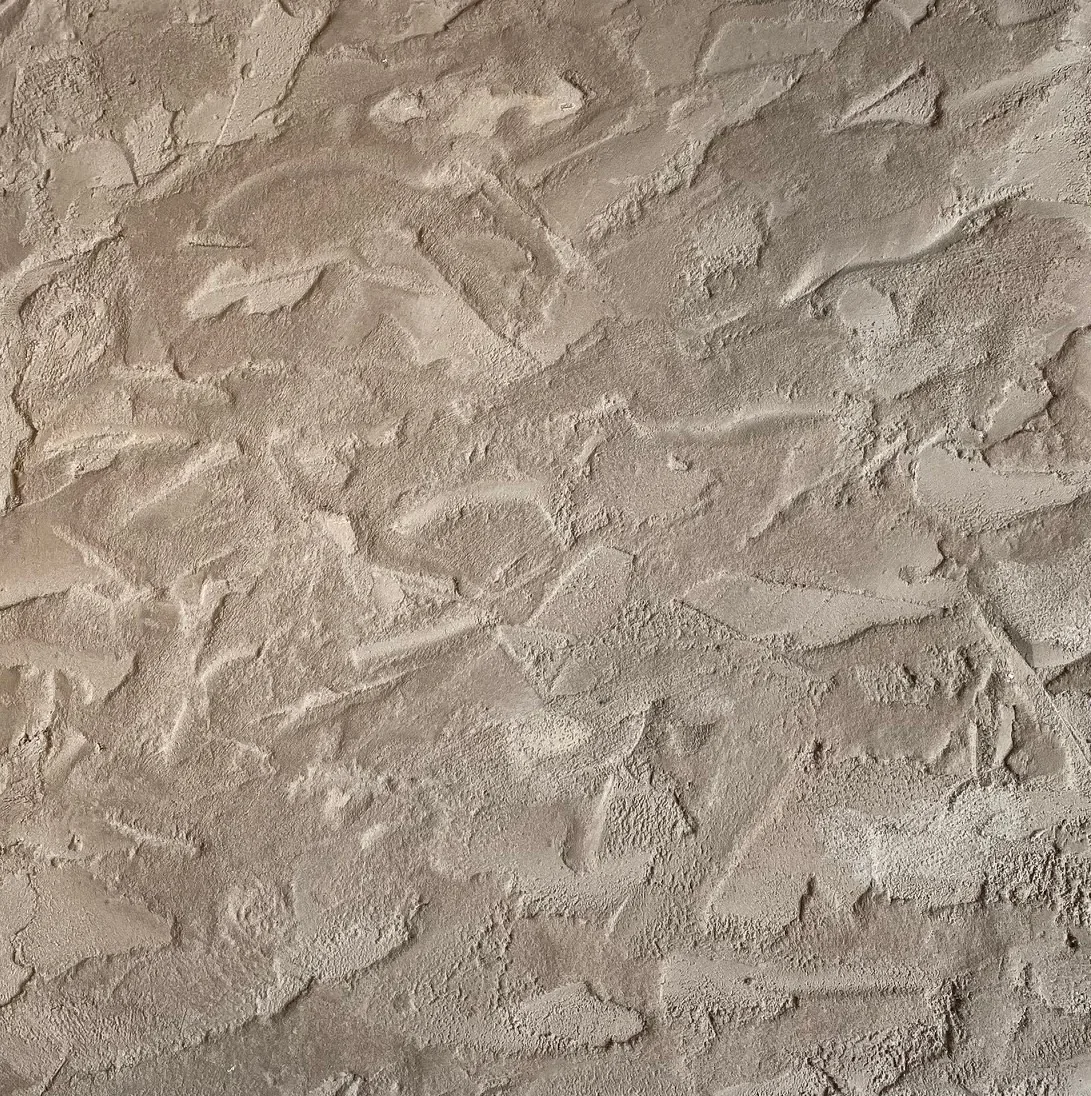
Today we look at ClayLime, a Belgian company based in Schaerbeek, known for its natural decorative clay and lime plasters.
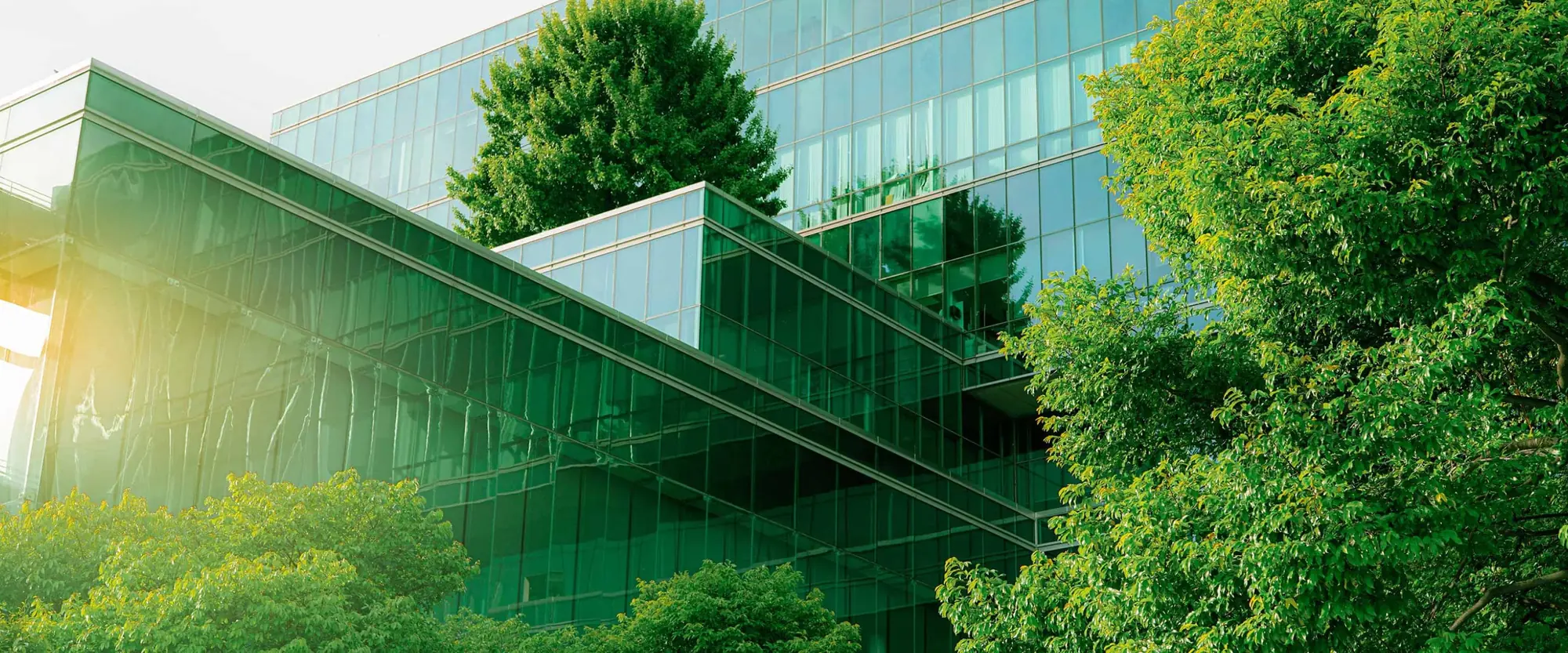
With Recycle Glass, AGC collects glass from demolition sites and feeds it back into the production of its low-carbon glass.
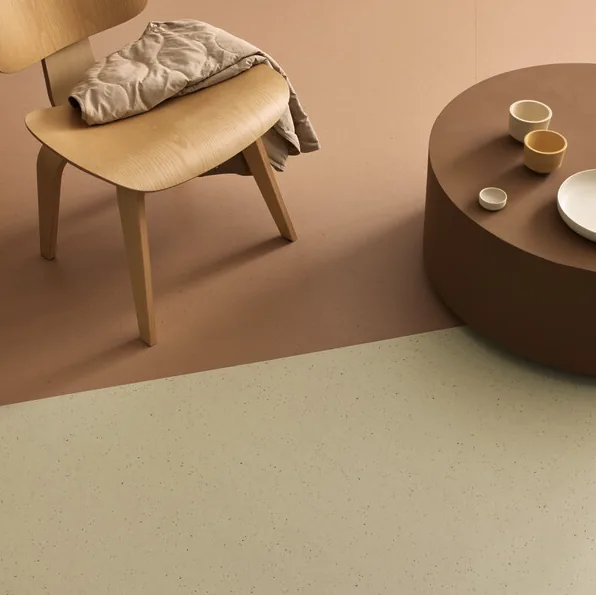
Long associated with the interiors of the past, linoleum is regaining popularity for its ecological qualities, its robustness and its modern look.
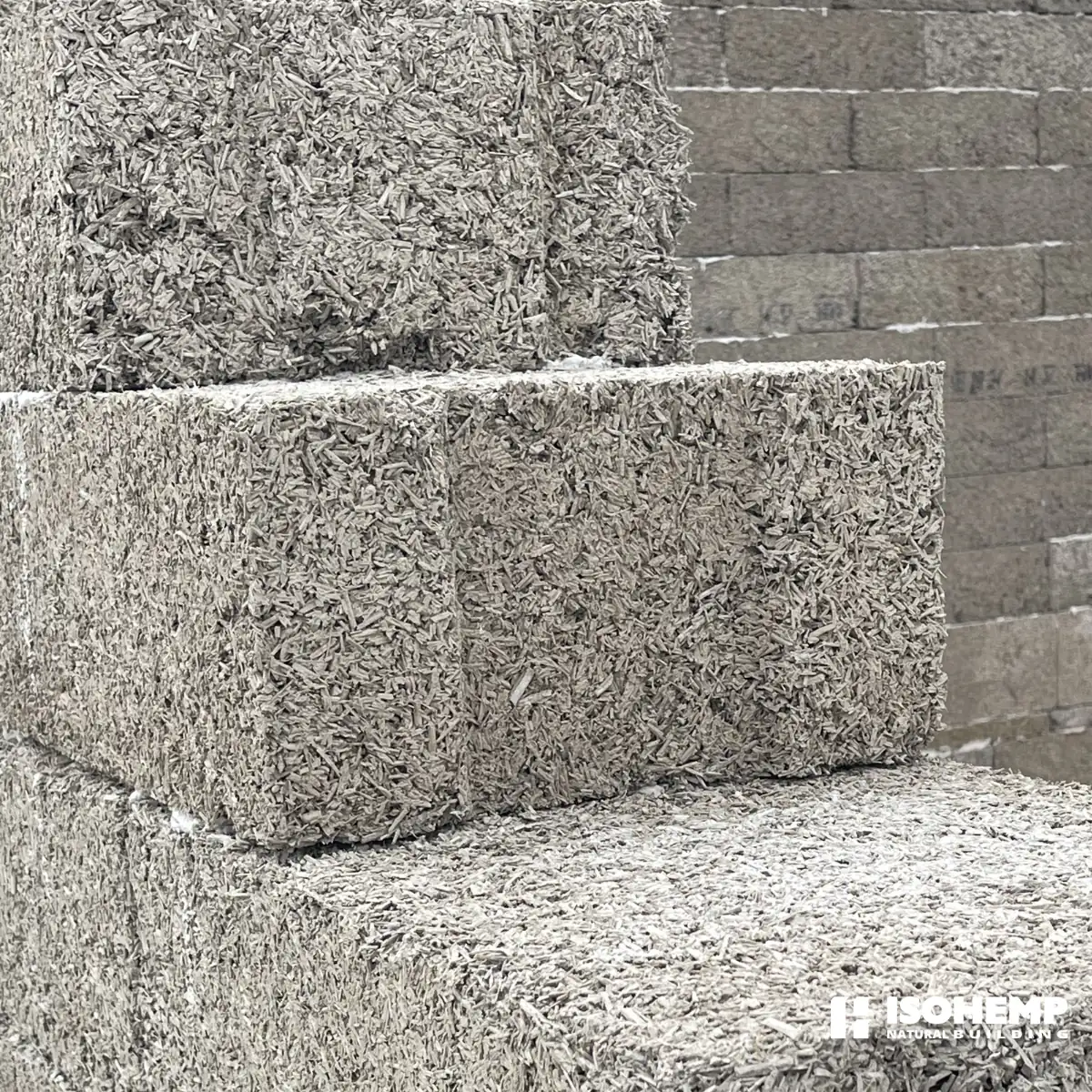
Two Belgian hemp-lime producers, two approaches: IsoHemp's high-performance blocks and Exie's loose-fill insulation.
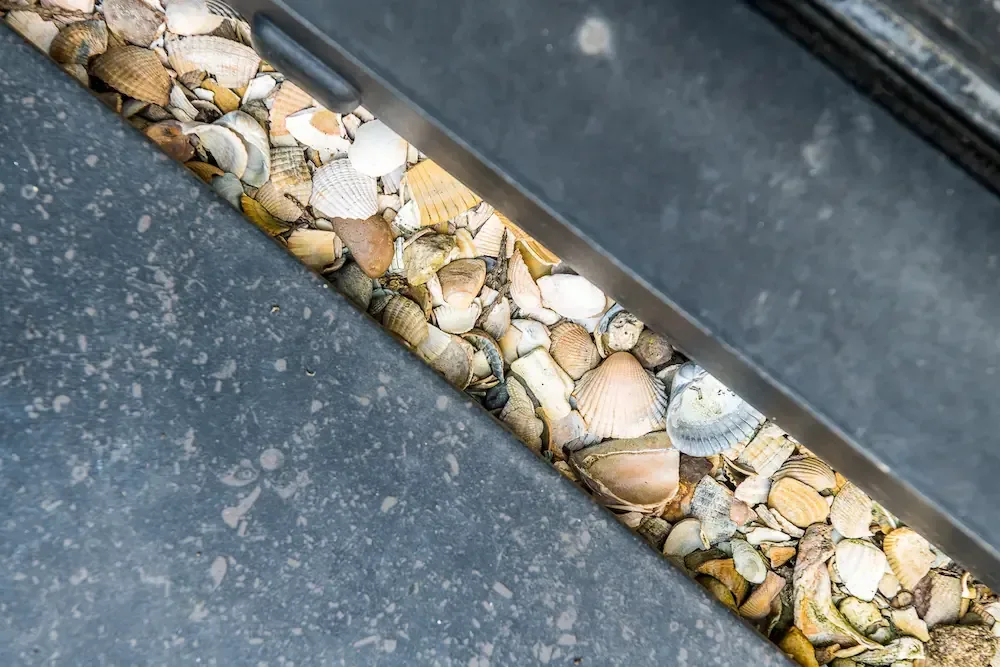
EcoSchelp turns seashells dredged from the North Sea into free-draining insulation for foundations and crawl spaces.
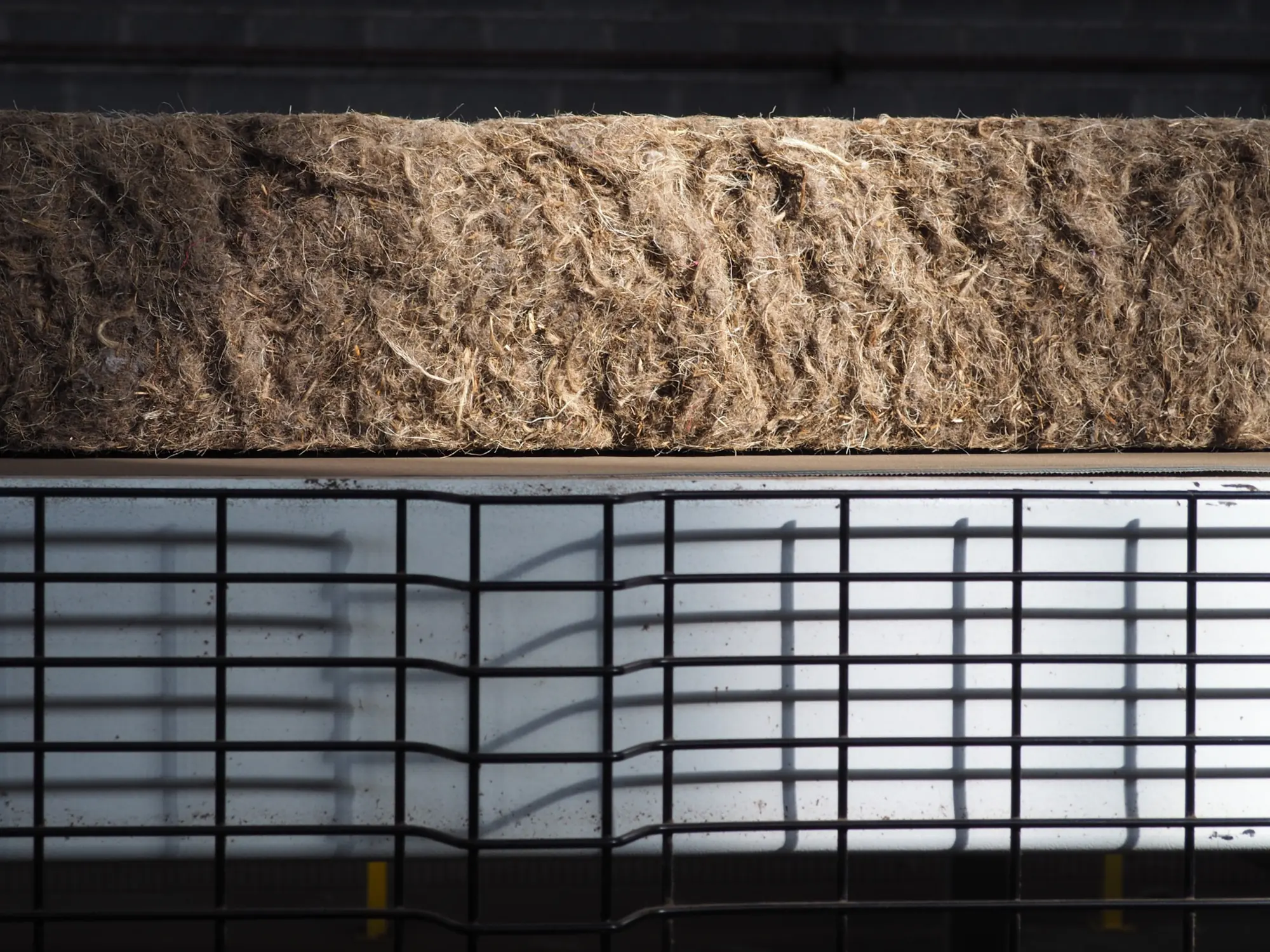
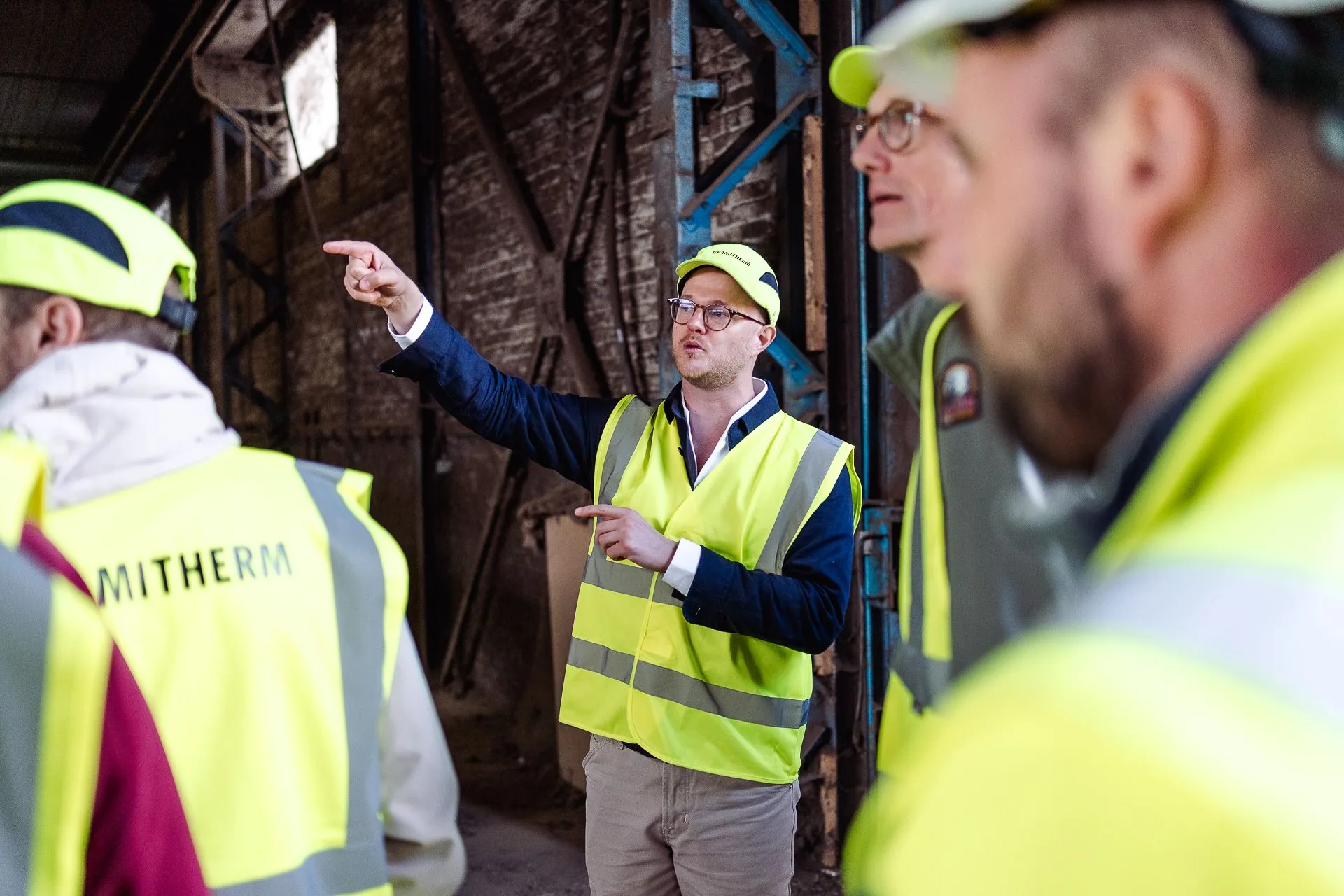
For 15 years, Gramitherm has been developing an insulation material made from grass residues.
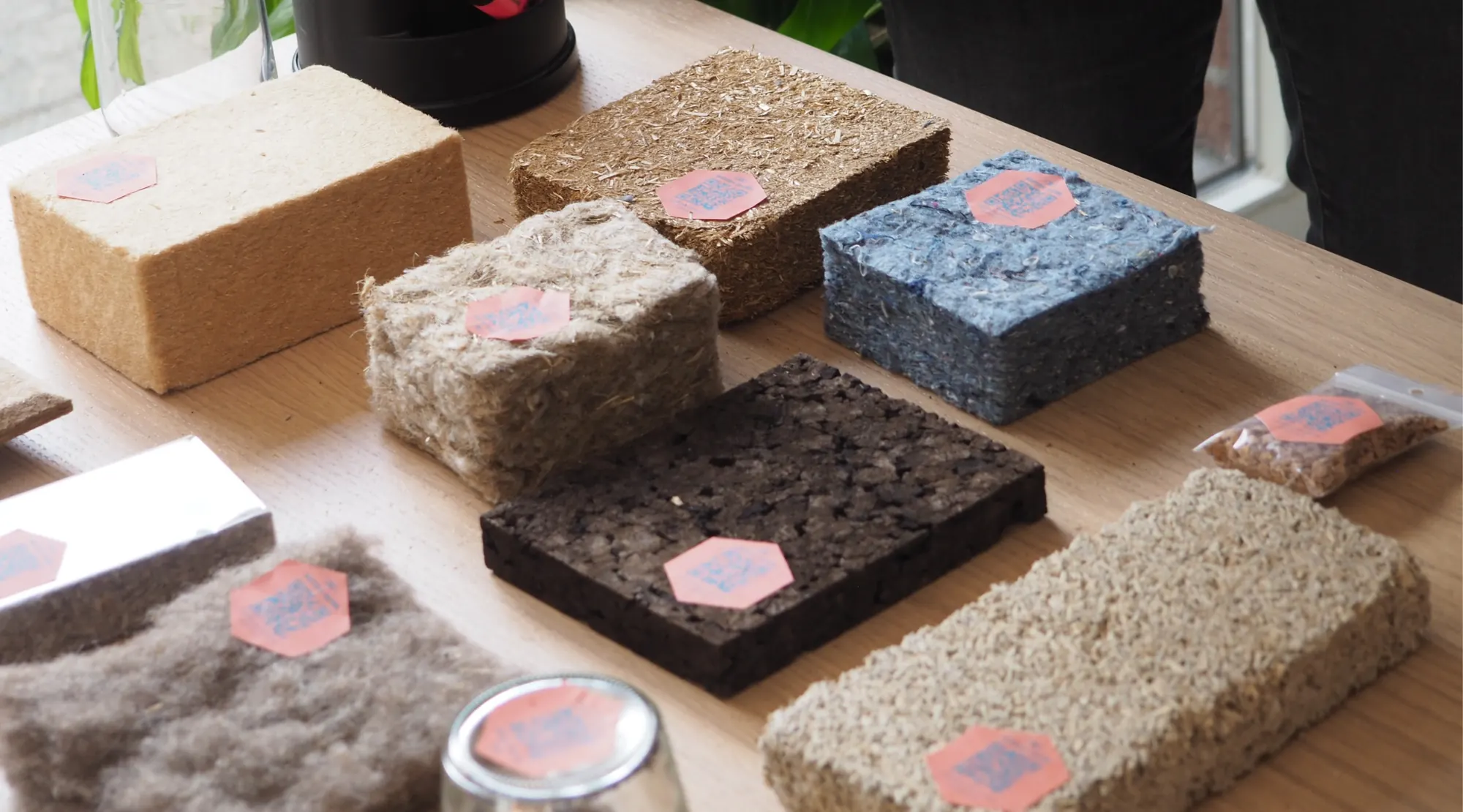
Keeping homes cool through ever hotter summers has become a priority in construction: lambda, thermal phase shift and density set insulation materials apart.
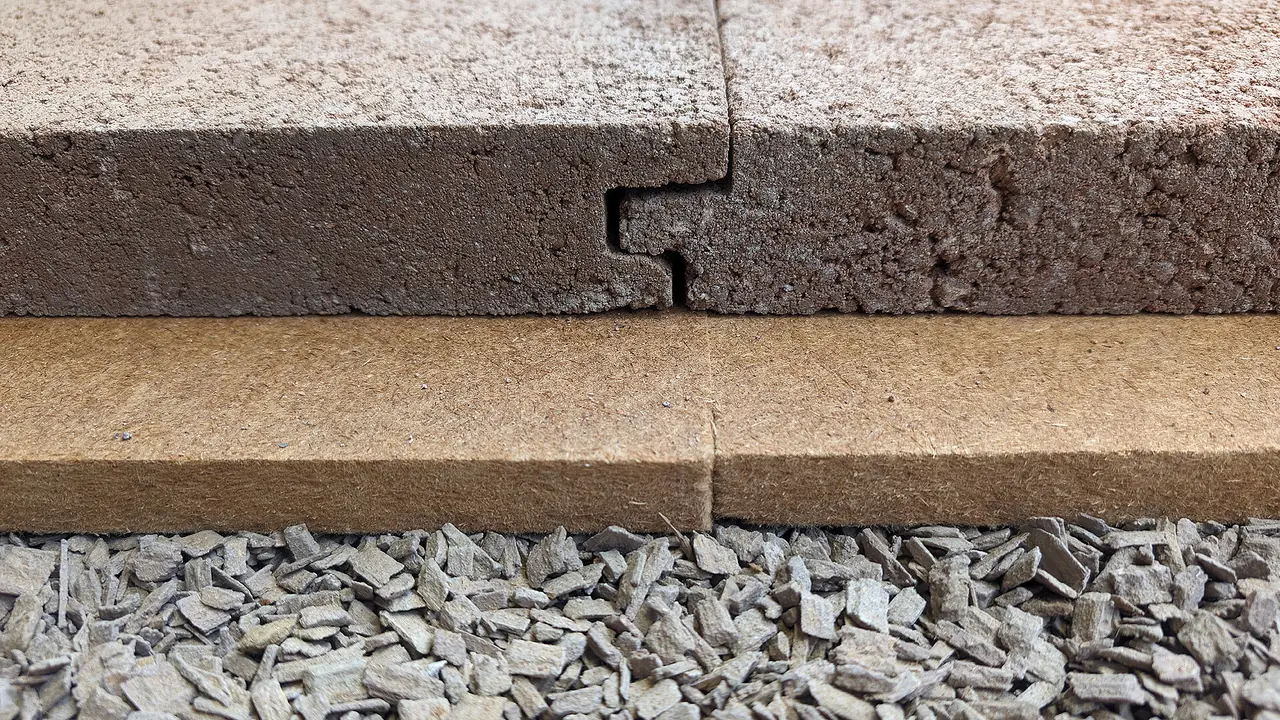
Lithotherm is a family business based in Bad Kreuznach, Germany. Its expertise lies in a category of material often relegated to the background: the screed.
March 2019: looking for a white clay plaster, Jeremy sets off for Rzeszów, in Poland. Natura Mater would grow out of that trip.