
Belgium is more than ready for the transition in construction, and it is not talked about enough. In 2026, we still hear that building sustainably is a constraint, that the options are opaque and that the supply chains cannot keep up. Yet on the ground, it is rather the opposite: production is running, the materials perform well and exemplary applications exist. The fact is that it is the sector that is slow to wake up.
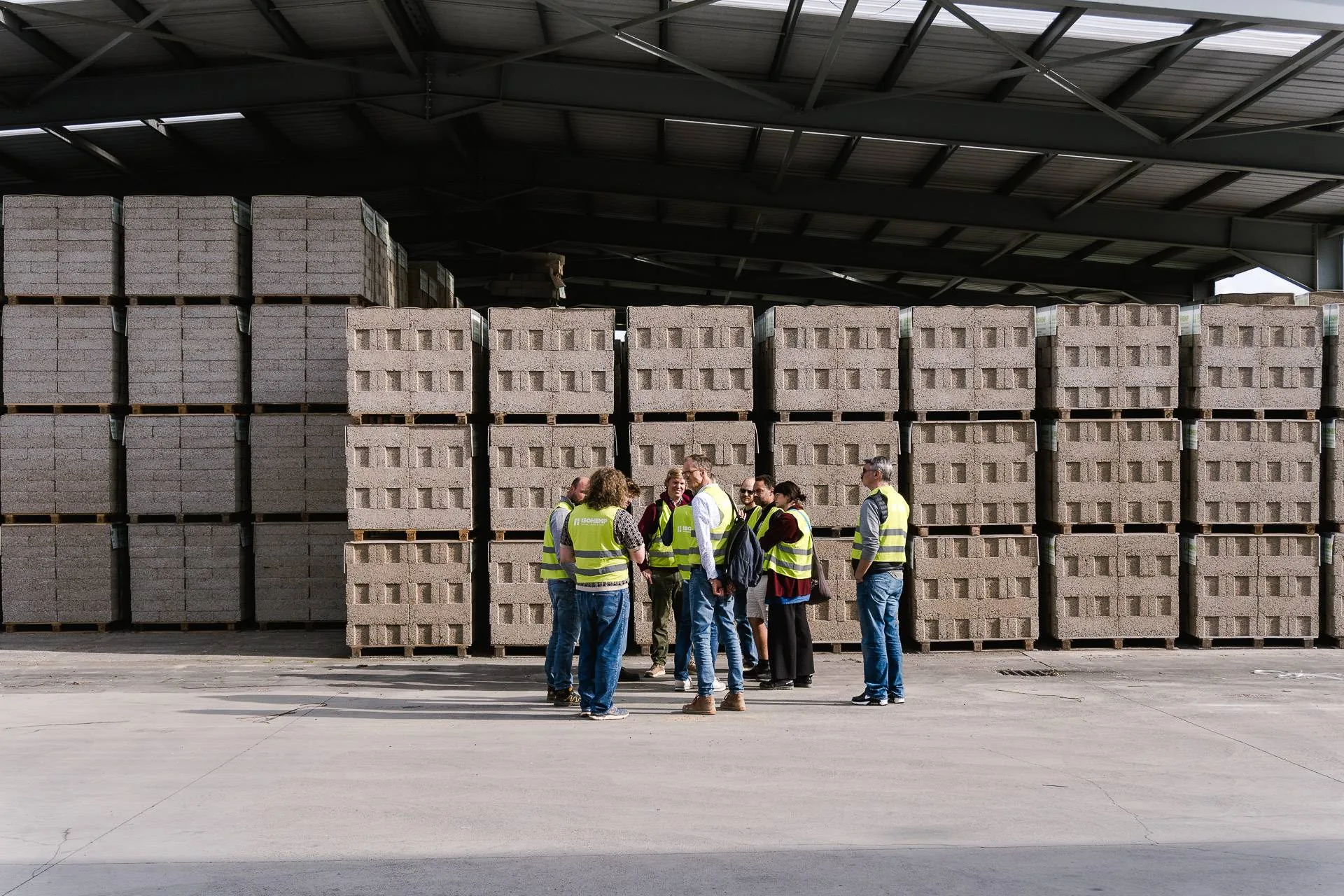
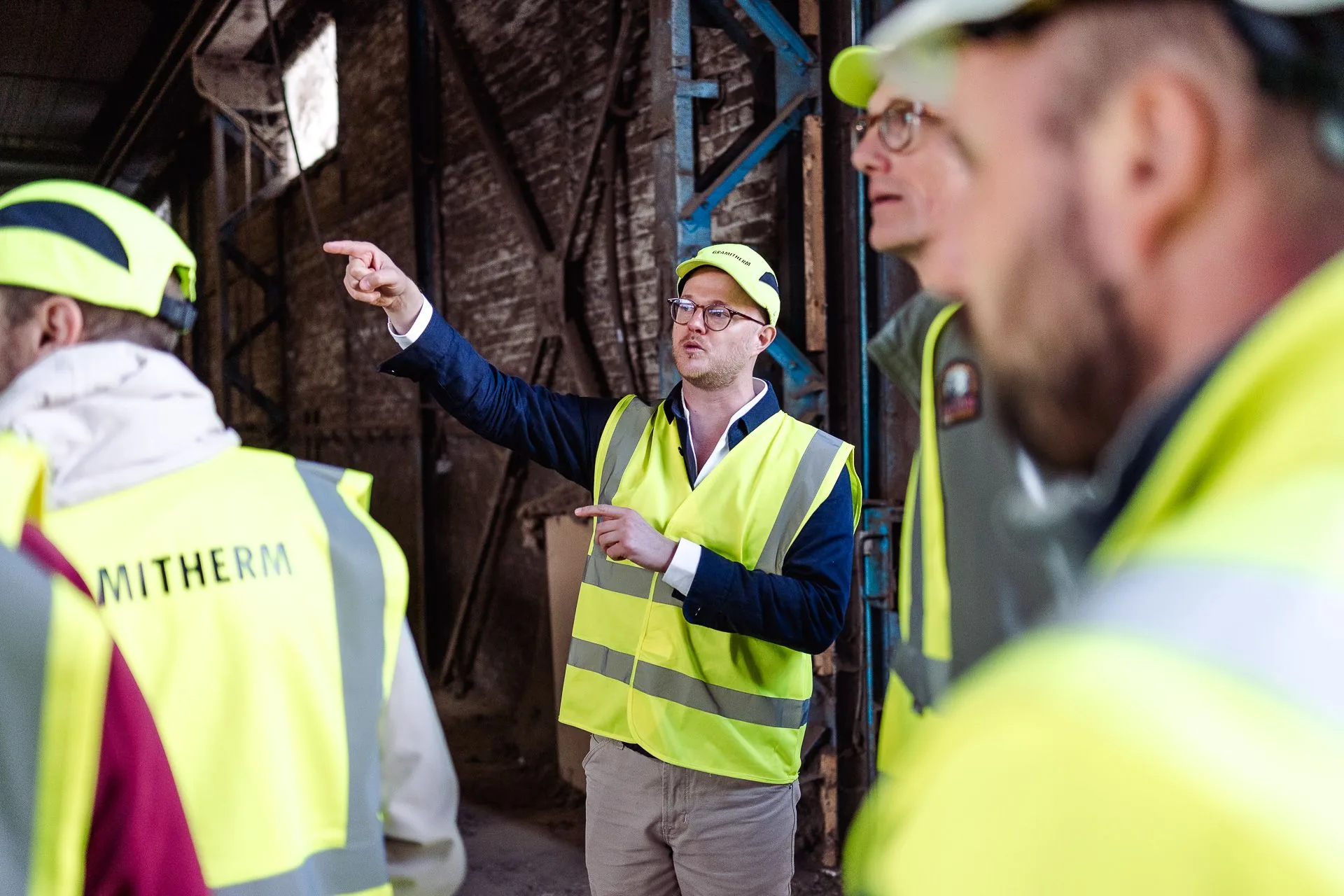
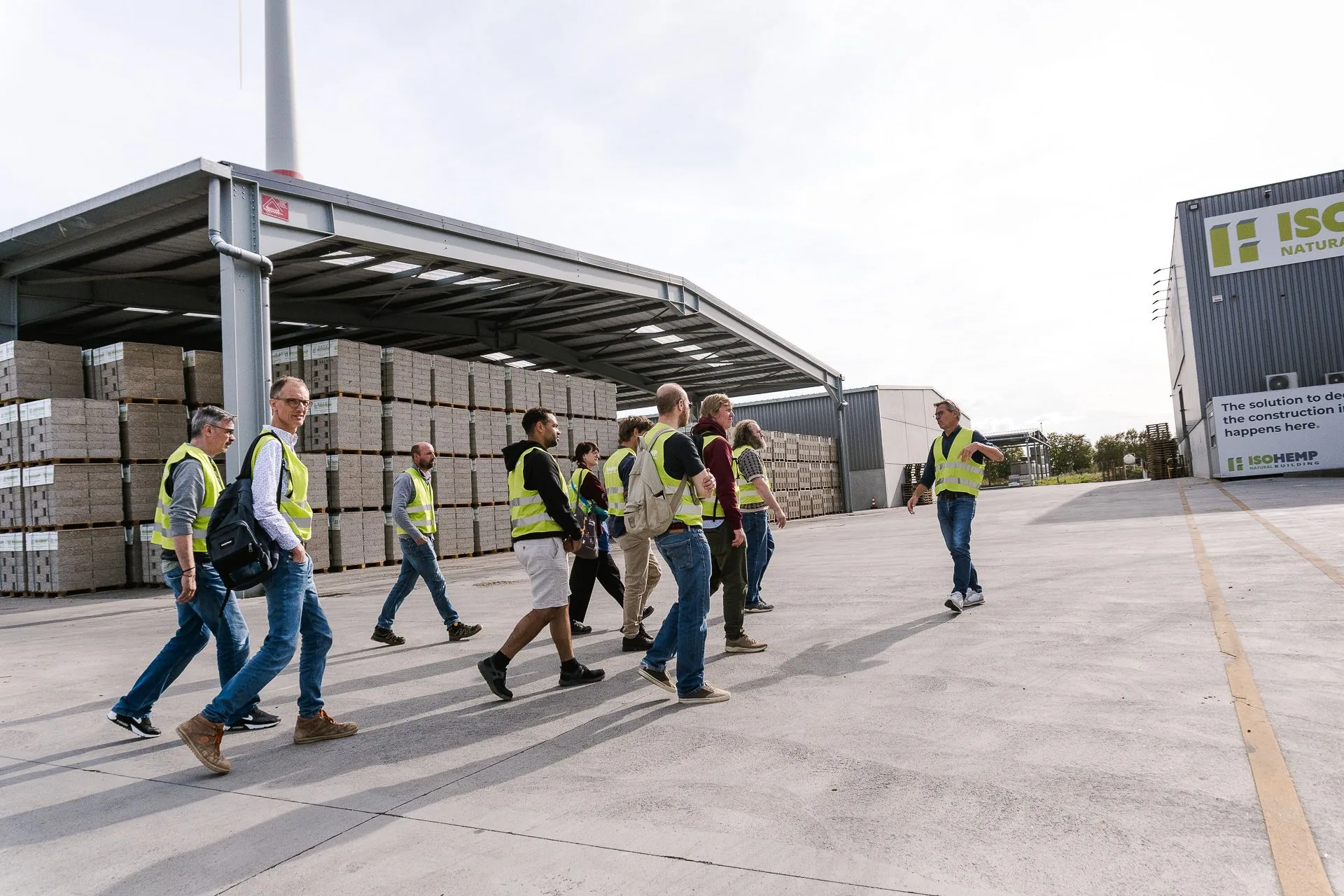
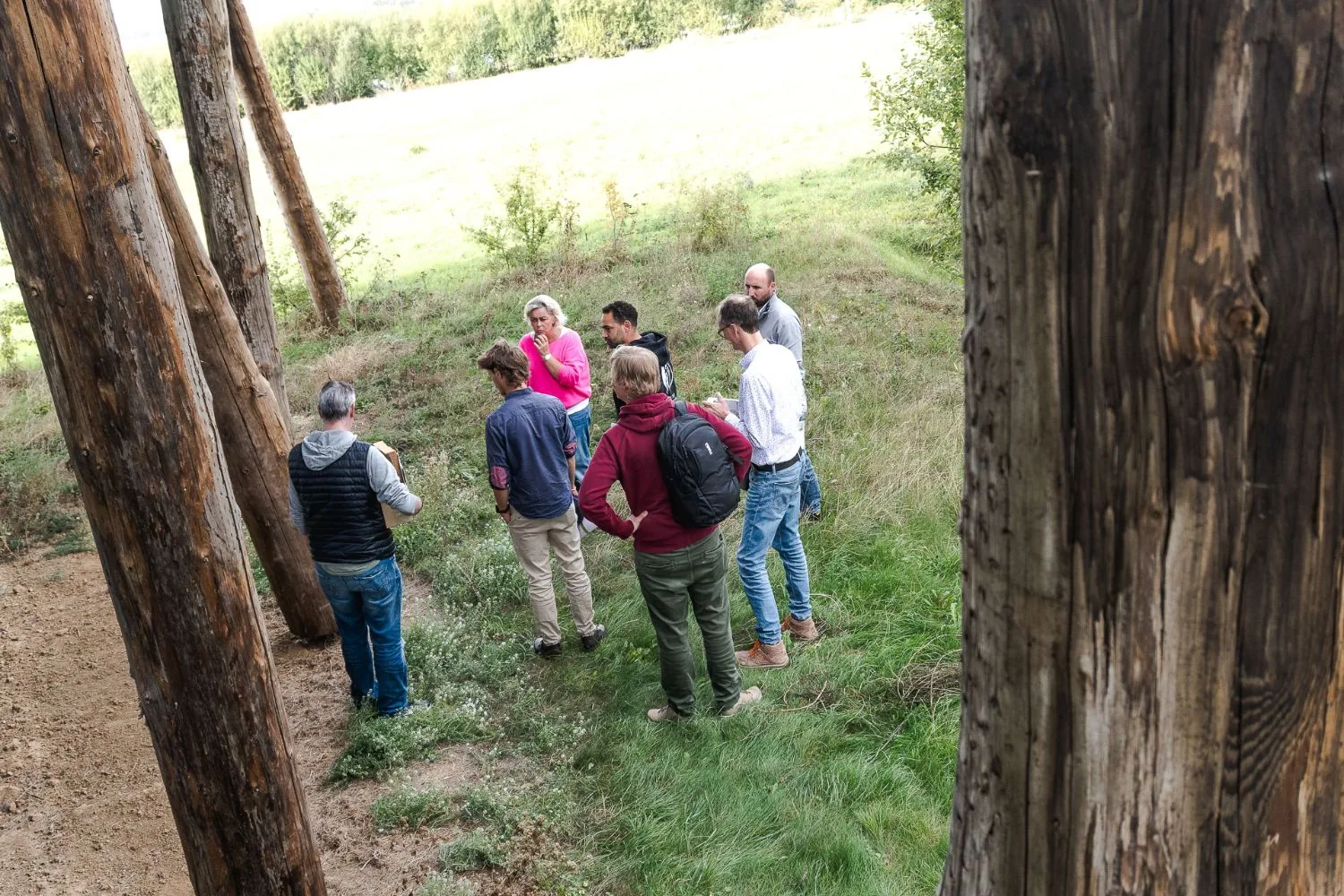
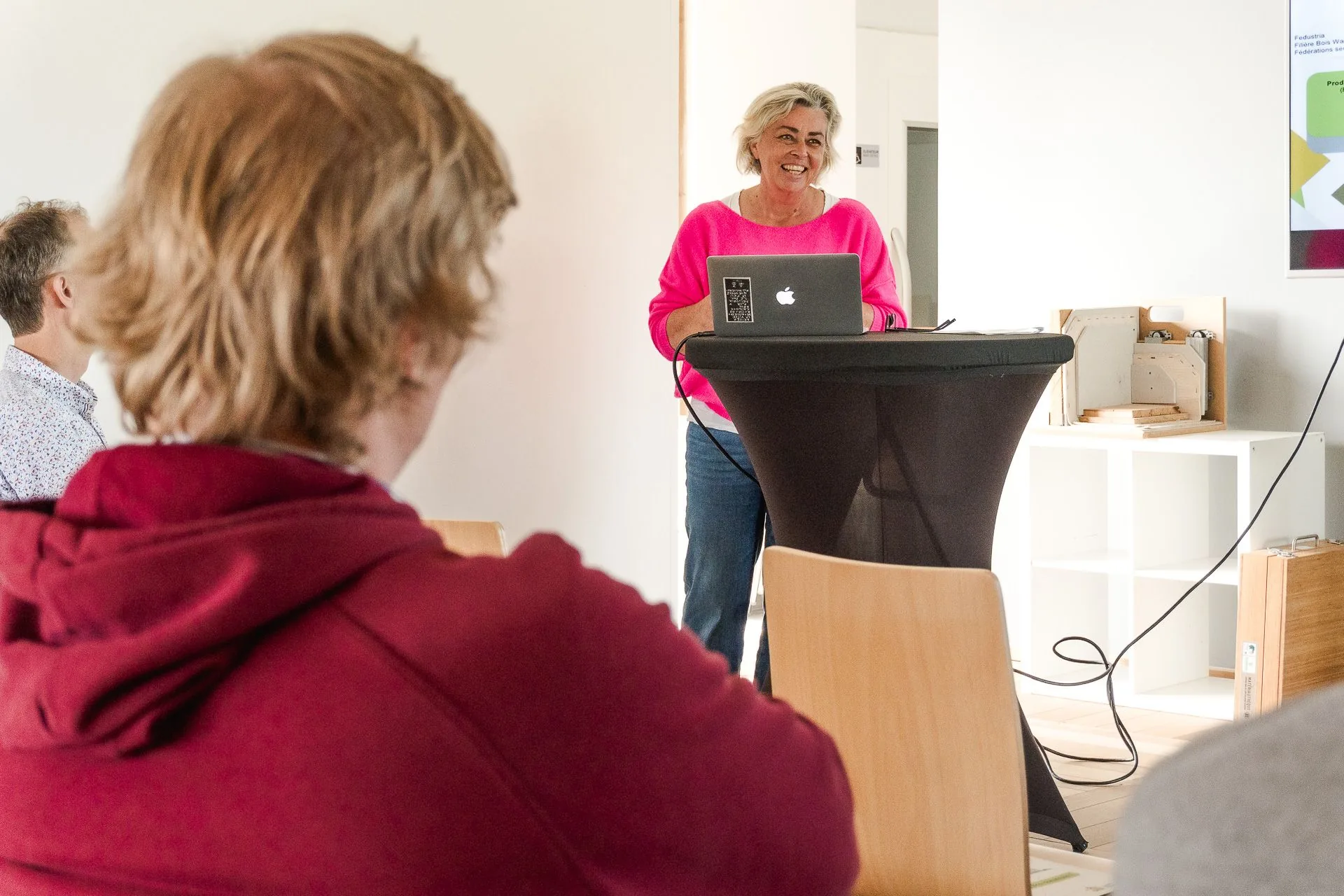
On Friday 2 October, Embuild.Brussels brought Brussels architects and contractors together for a day with two Walloon producers, Gramitherm in Auvelais and IsoHemp in Fernelmont, with a stop at the Cluster Eco-construction in Namur. Natura Mater was there, and what we saw confirms what we have been observing for several years among our partner producers: Belgium's biobased supply chains are past the experimental stage. They produce on an industrial scale, with complete technical documentation, and their factories still have spare capacity to meet much higher demand.
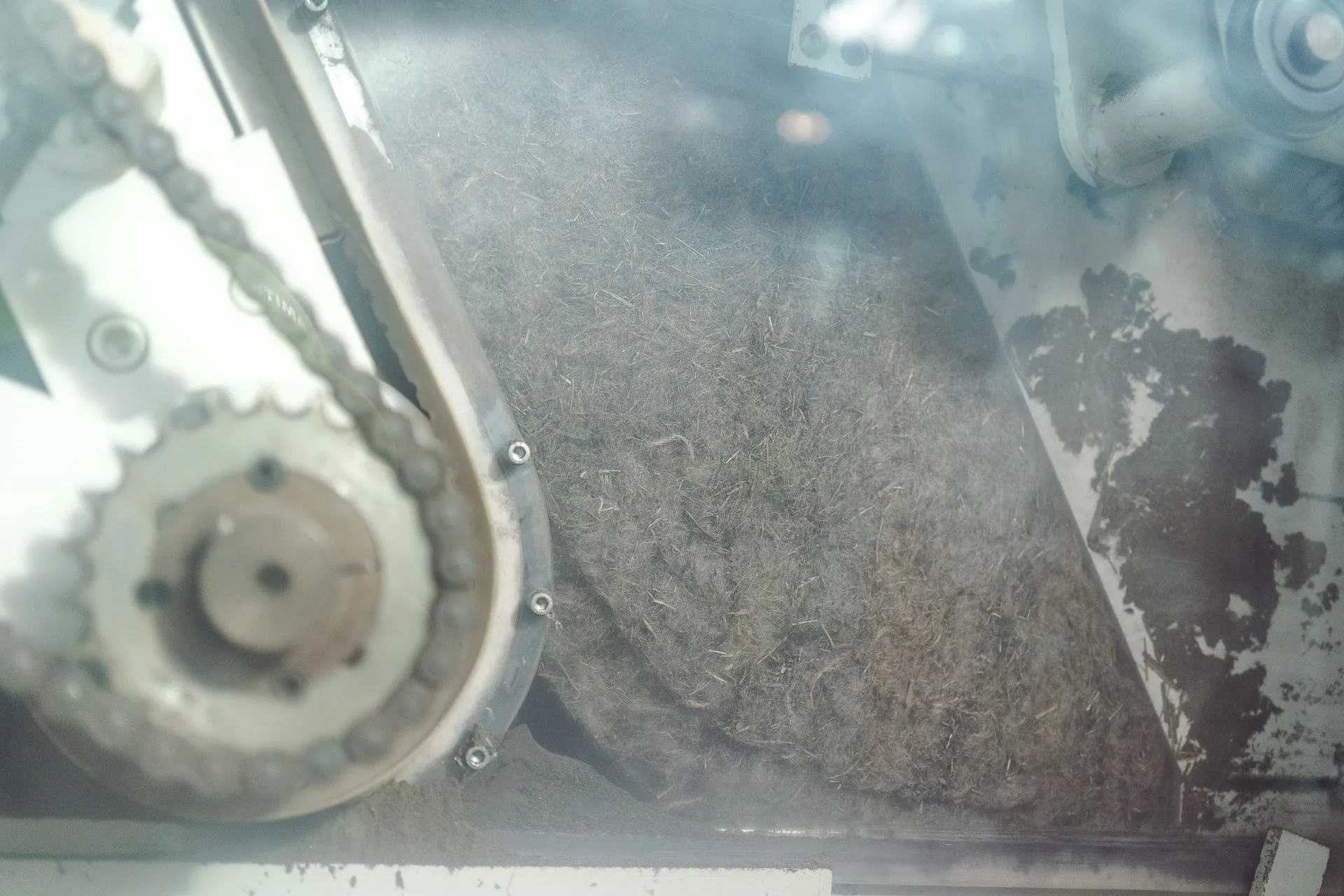
For the past year, Gramitherm has been selling direct, from producer to site. The ultra-local biobased insulation thus takes its circular logic further, into a short supply chain. For Florent Timmermans, who took over the company in 2022, it is also what allows him to keep the price competitive with wood fibre. Next to the production line, the factory is completing the installation of a dryer that will process grass on site, in step with production, in addition to the grass already dried near Nivelles. With it, Gramitherm, which has sometimes run short of raw material when large projects suddenly pushed up demand, should no longer run short, unless, as Florent Timmermans puts it, there is no grass left in Belgium, “but then we'll have other problems”.
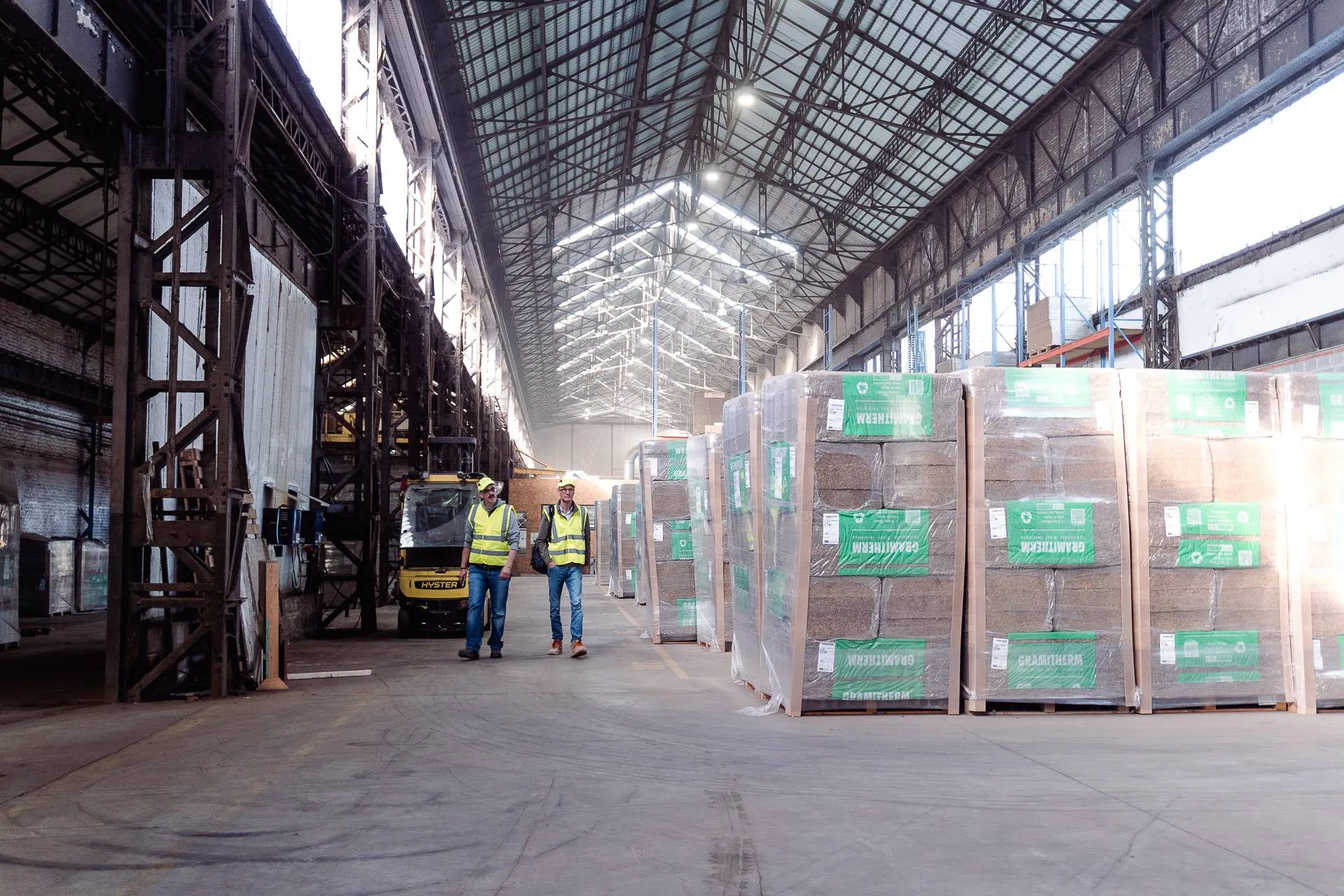
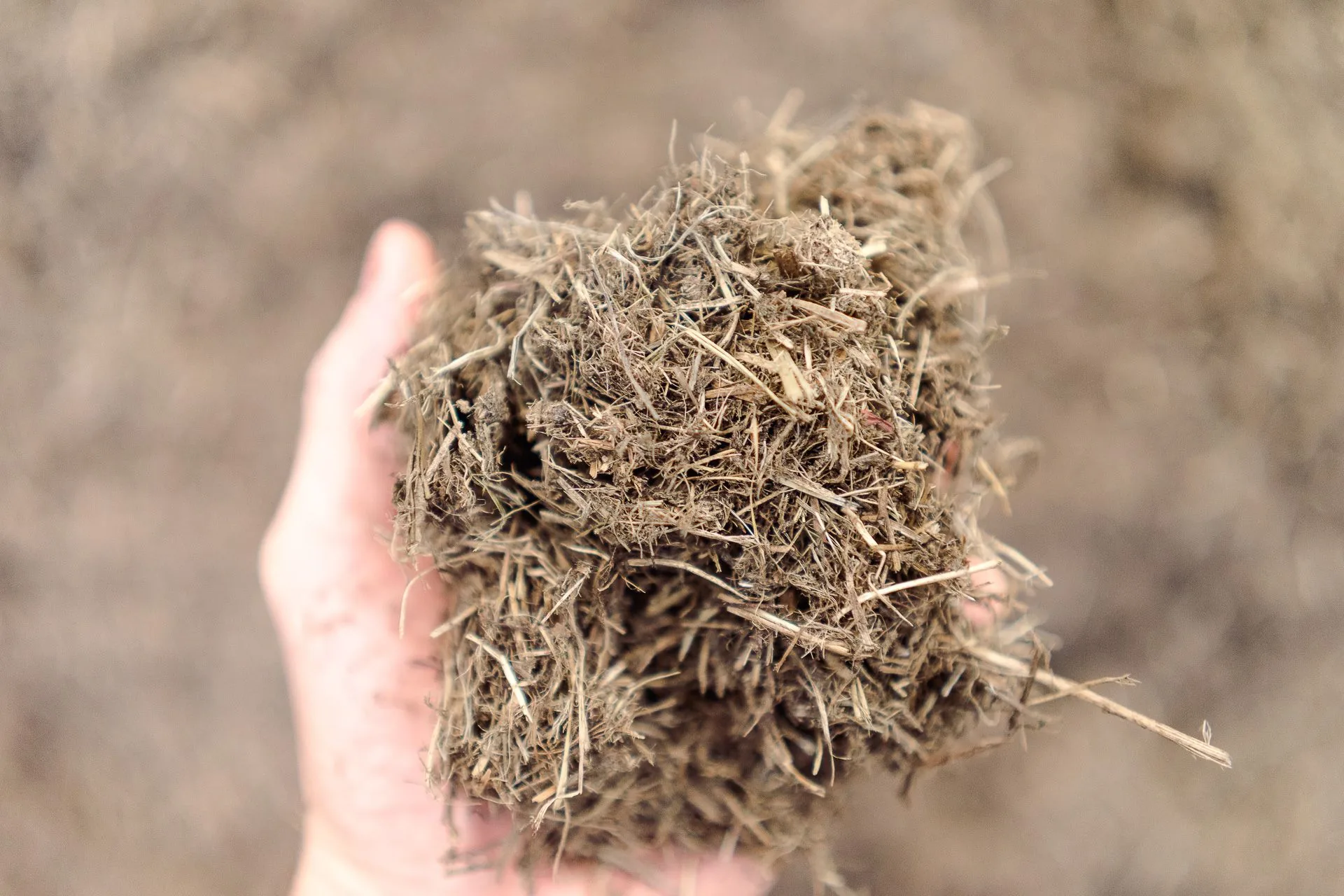
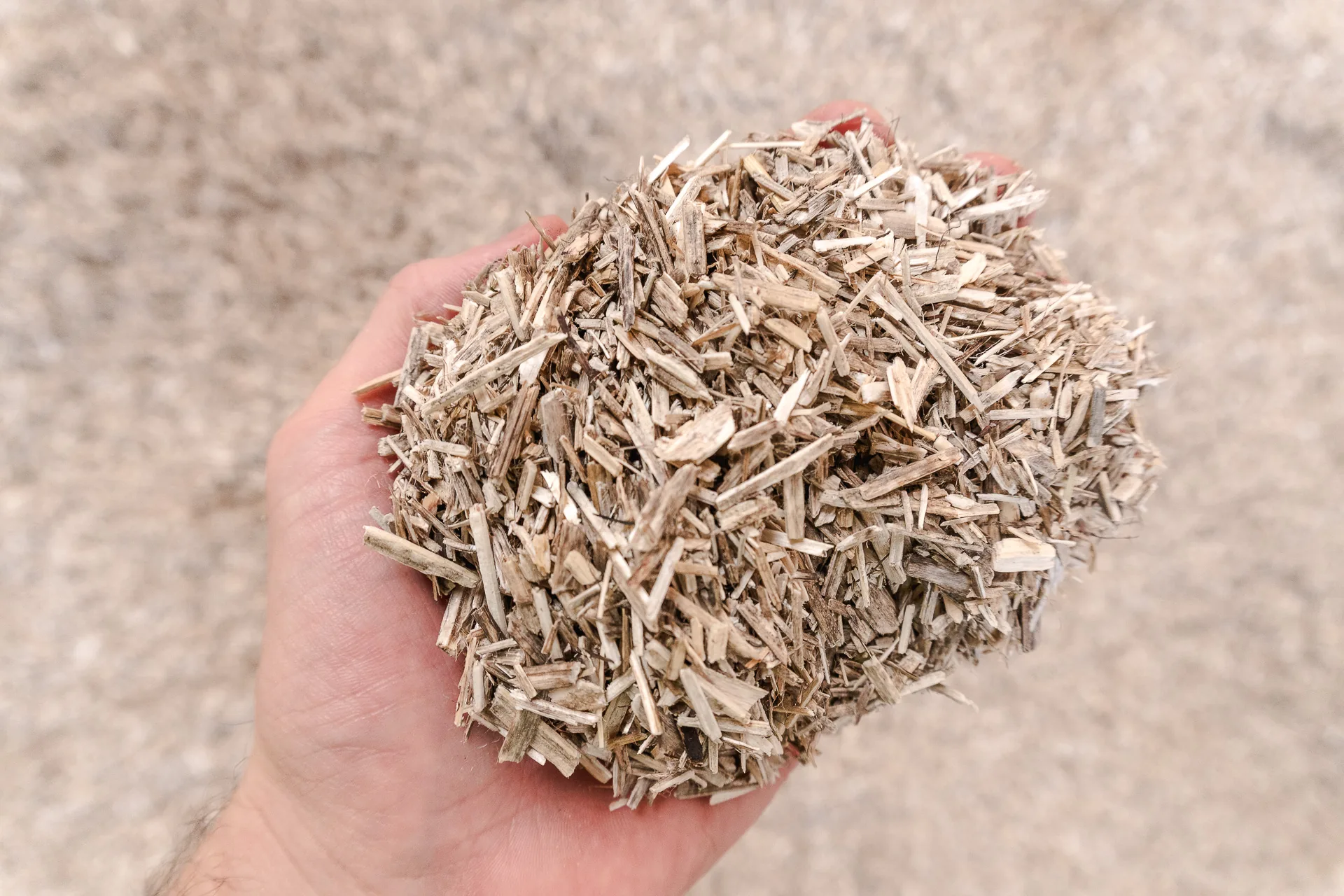
The board is made of 70% grass cut along canal and river banks, in nature parks and during municipal maintenance, never on farmland. The 20% jute comes from single-use coffee and cocoa sacks, which until now had been burned, and the remaining 10% is a binder. The juice pressed from the grass feeds an anaerobic digestion plant near Nivelles, whose heat, recovered from its cooling system, is then used to dry the fibre. Above all, the board's carbon footprint is negative: about −1.4 kg CO₂e per kilo of product, thanks to the carbon stored in the grass, which will stay there for as long as the board is in the wall. According to Gramitherm, a kilo of board stores about 2.08 kg CO₂e, and its manufacture emits 0.675 kg.
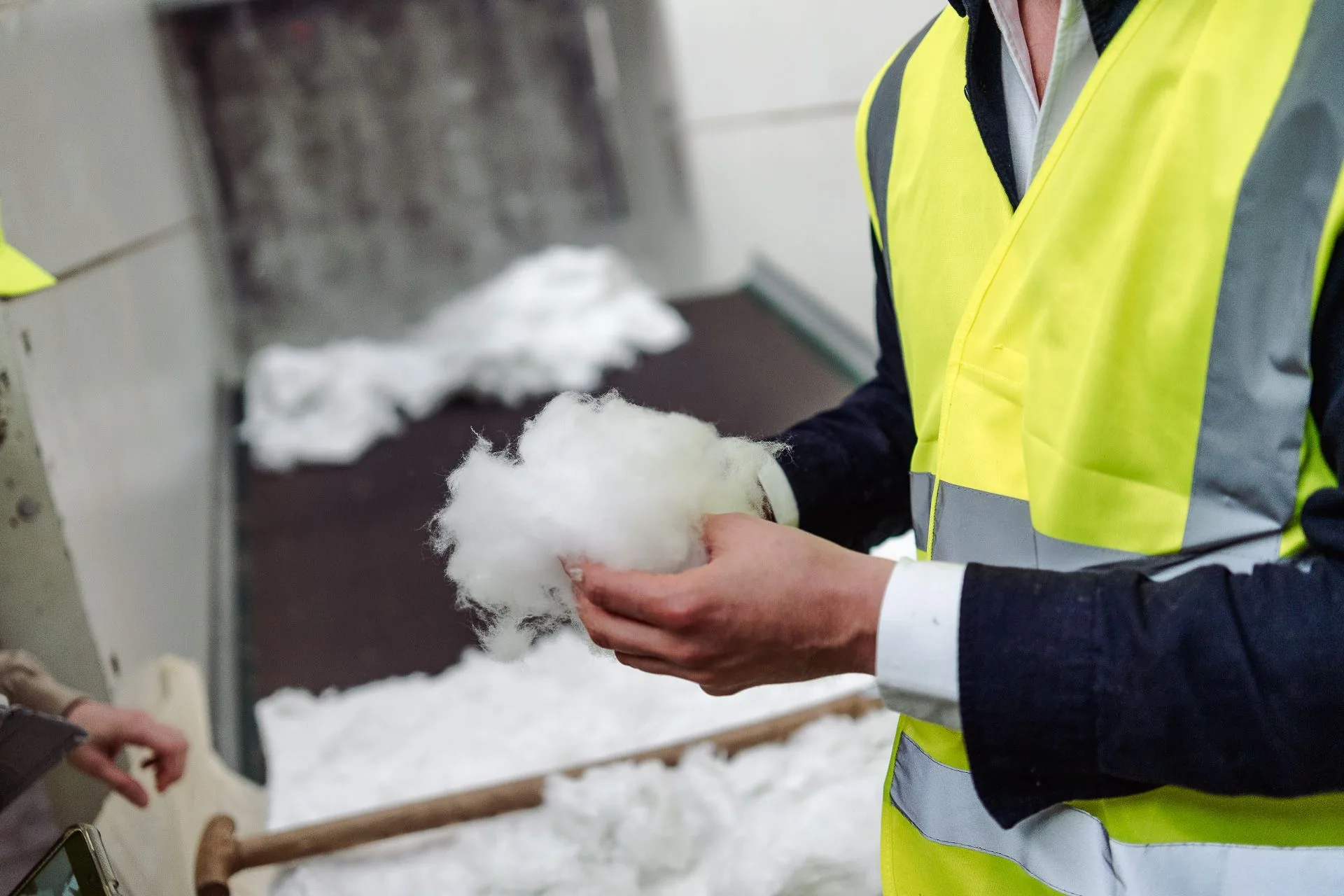
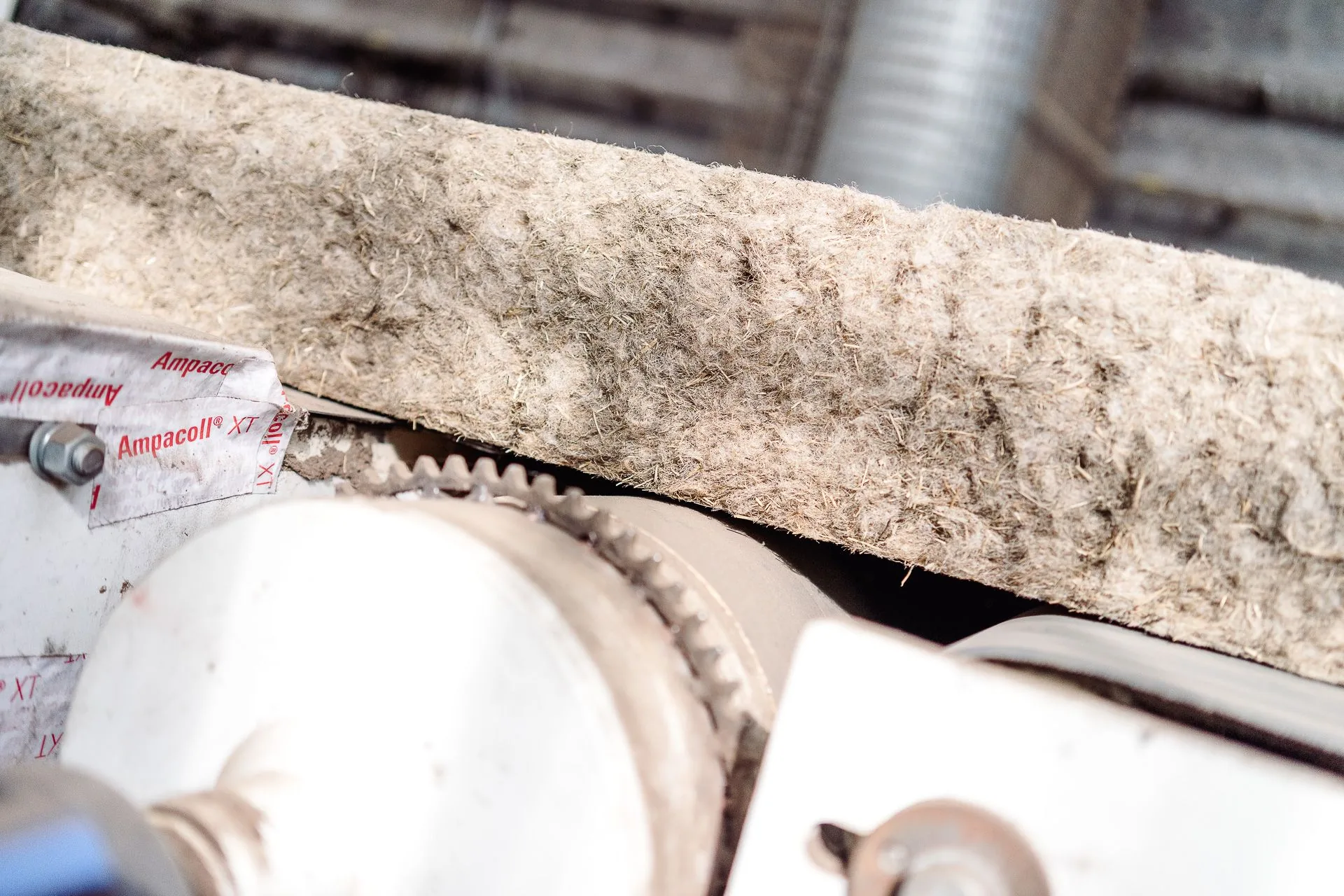
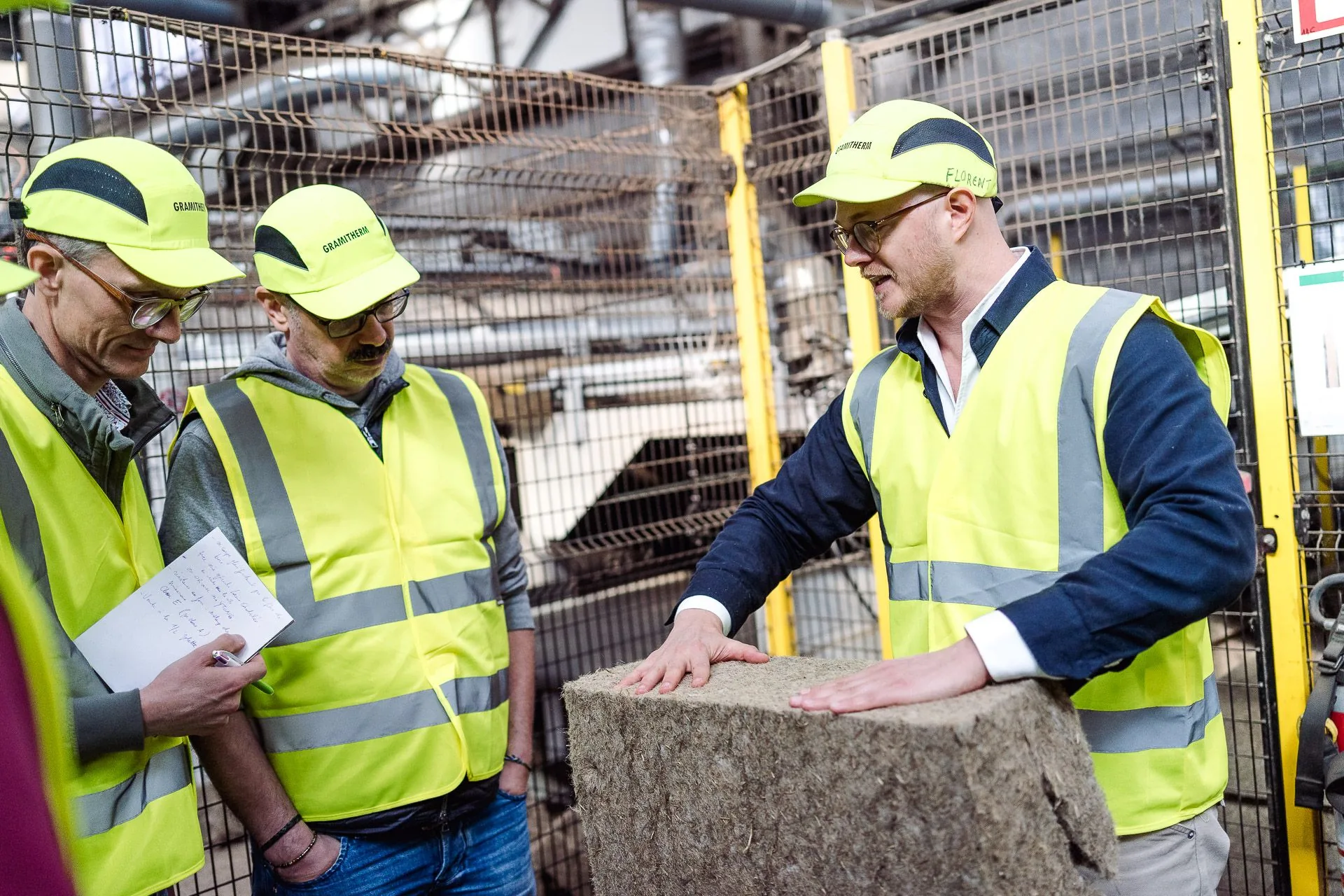
On the specification side, the technical documentation is complete for the Benelux, with a European Technical Assessment and an EPD. The assessment was issued in Germany by the DIBt, and the B-EPD is valid until April 2028. The board's lambda value, certified at 0.040, could drop to 0.038 with the next board. It has already gone from 0.041 to 0.040 this year, since the line was fitted with new machines that open up the fibres better, and the next version, with only 3 or 4% binder, will leave more room for the grass. The board is classified Euroclass E, and every production run undergoes a flammability test. A stiffer acoustic board, designed for partitions, has been announced for early 2027.
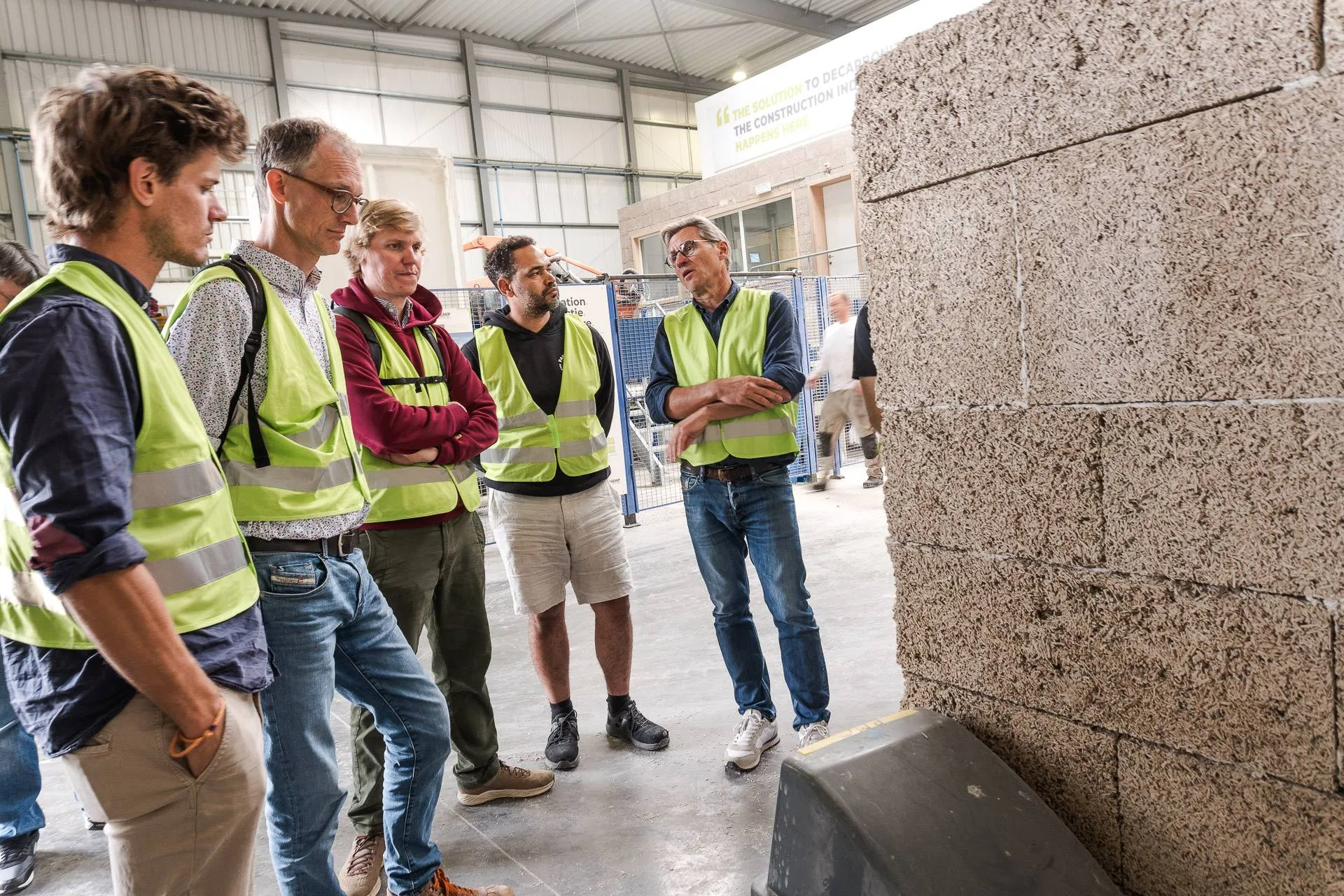
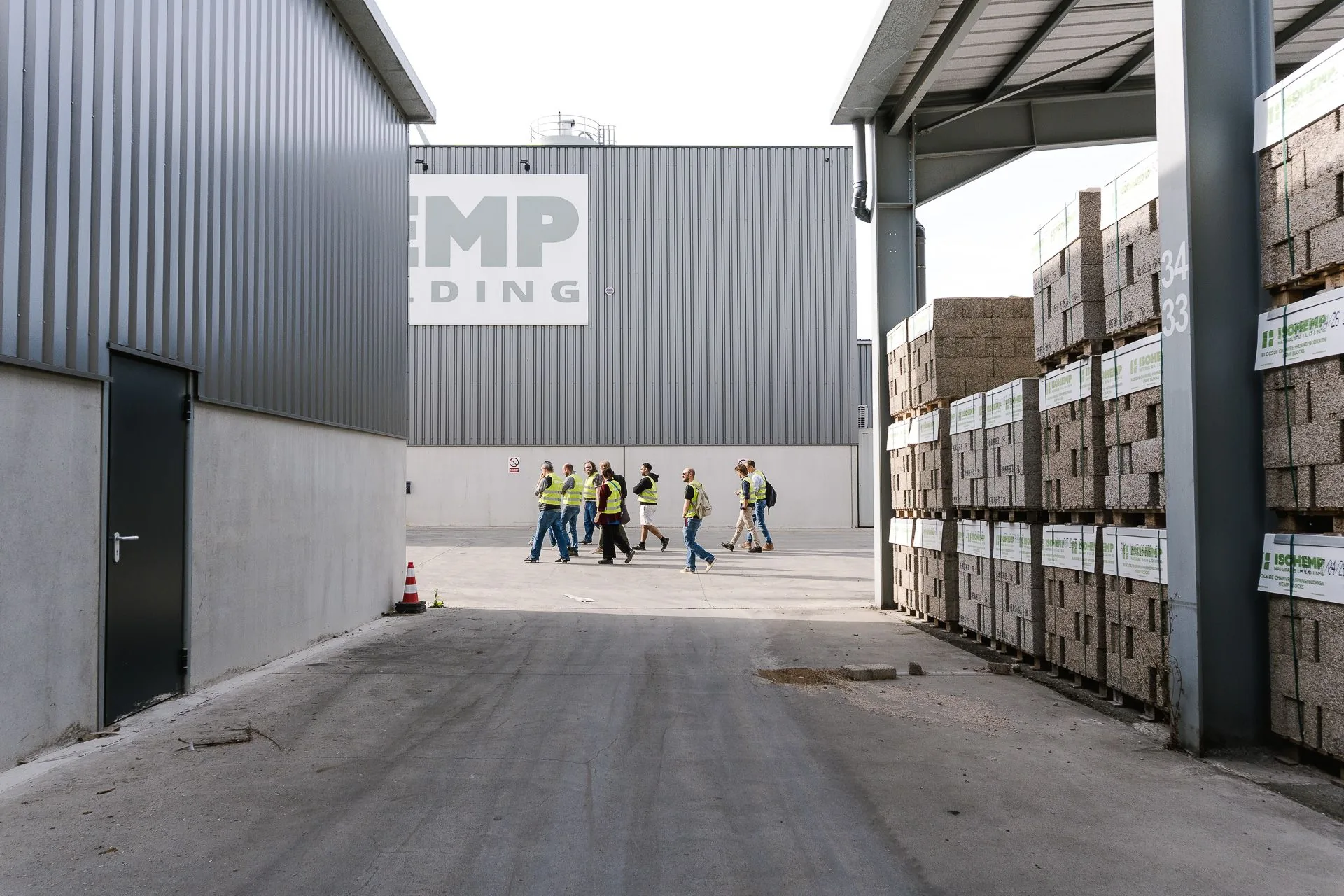
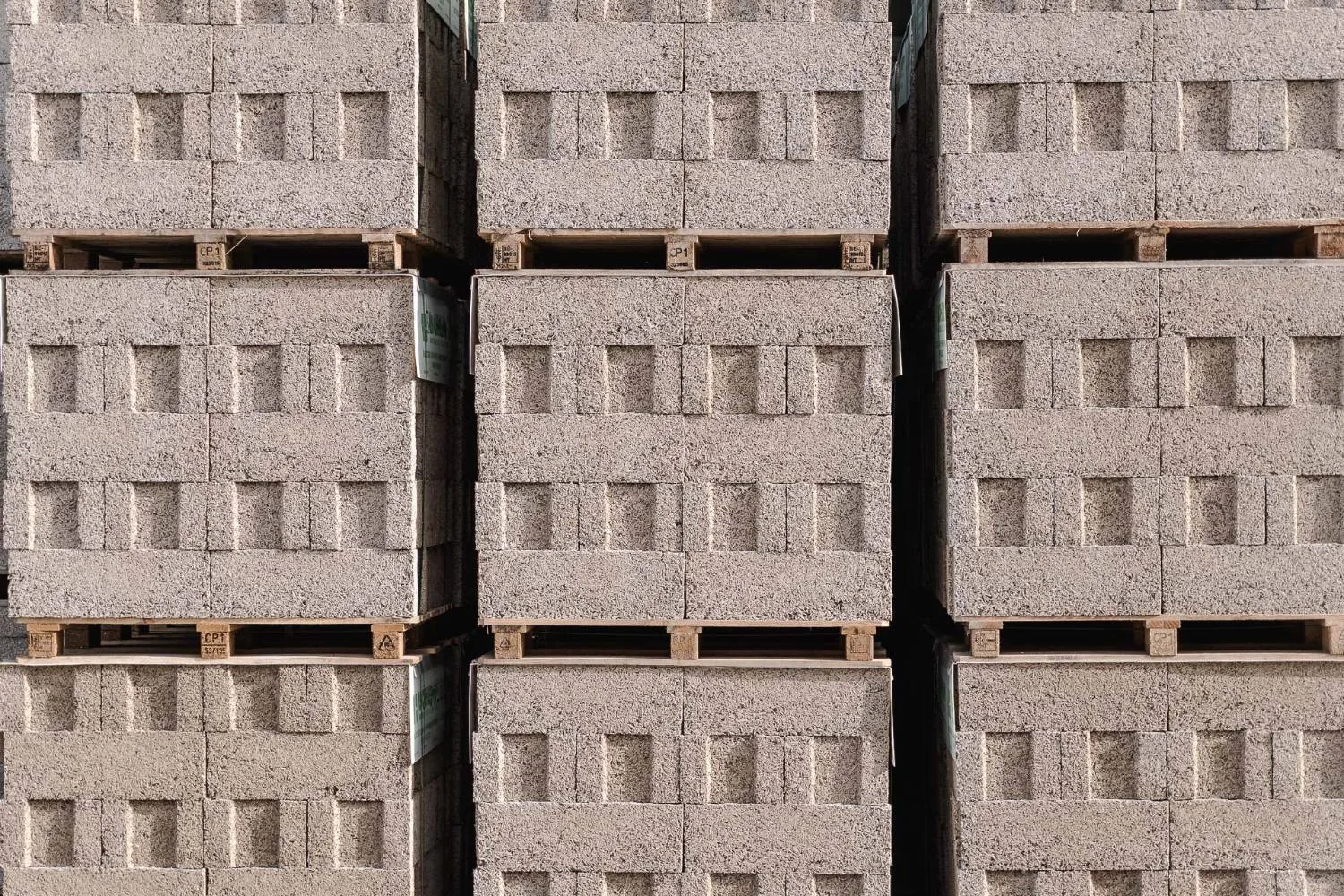
Since it was founded in 2011, IsoHemp has kept innovating and has turned its hemp block into a genuine building system, available for new build and renovation, and for more specific programmes such as schools or heritage buildings. The block, made of hemp shiv and lime, is laid with thin-joint adhesive and holds its own Belgian technical approval, ATG 3169. Wallonia's Cahier des charges type Bâtiments 2022 (CCTB), the region's standard building specification, gives it its own clause, 21.22.8, for non-loadbearing masonry. With RecyHemp, its recycling scheme, the block also gets a second life at the end of a project: since September 2025, offcuts and blocks from demolition have been coming back to the factory to be ground down and reincorporated into hempcrete. And although its new factory, opened in 2021, can produce more than five million blocks a year, the Fernelmont site is nonetheless running at only 50% of its capacity: enough to absorb a sharp rise in demand without difficulty.
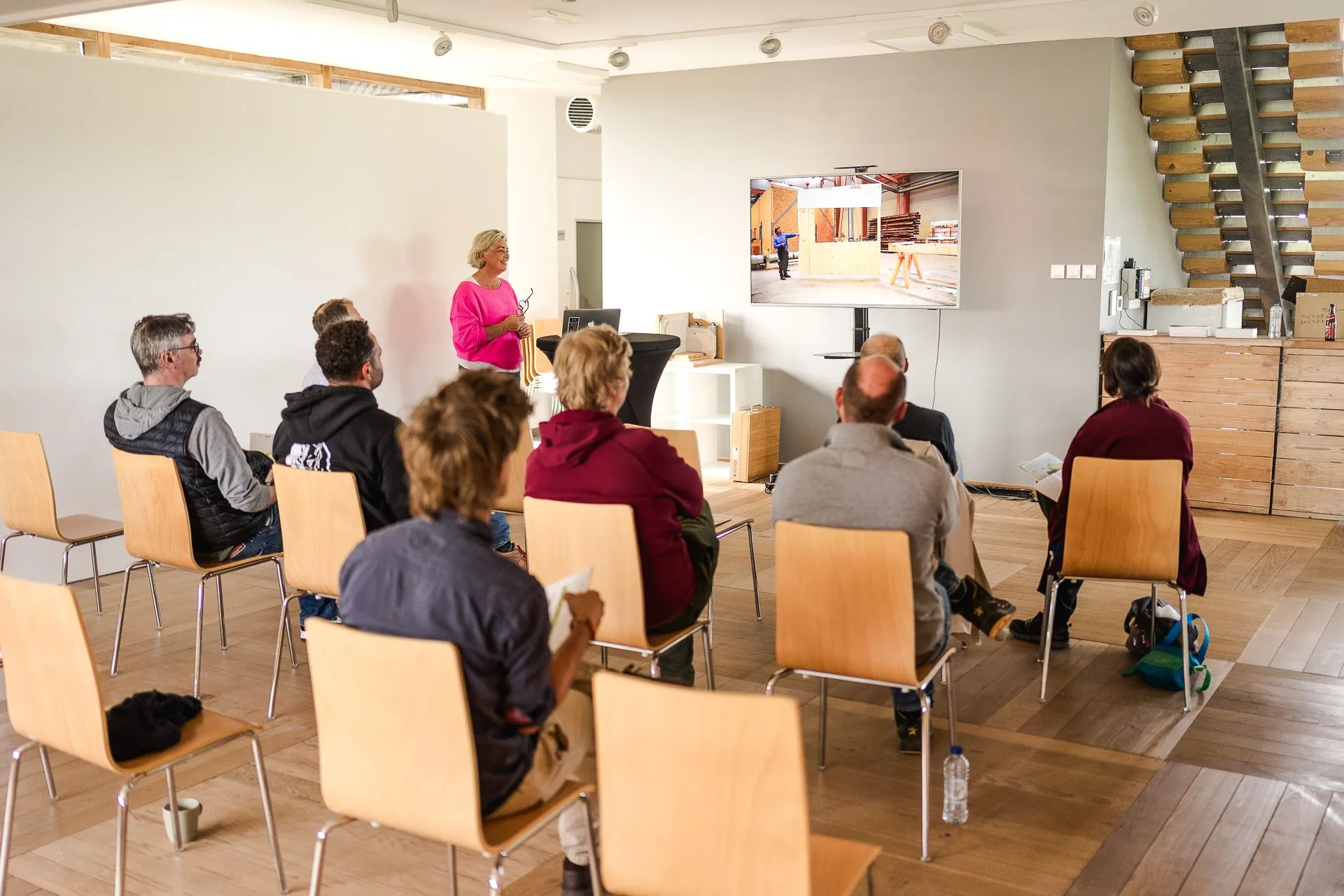
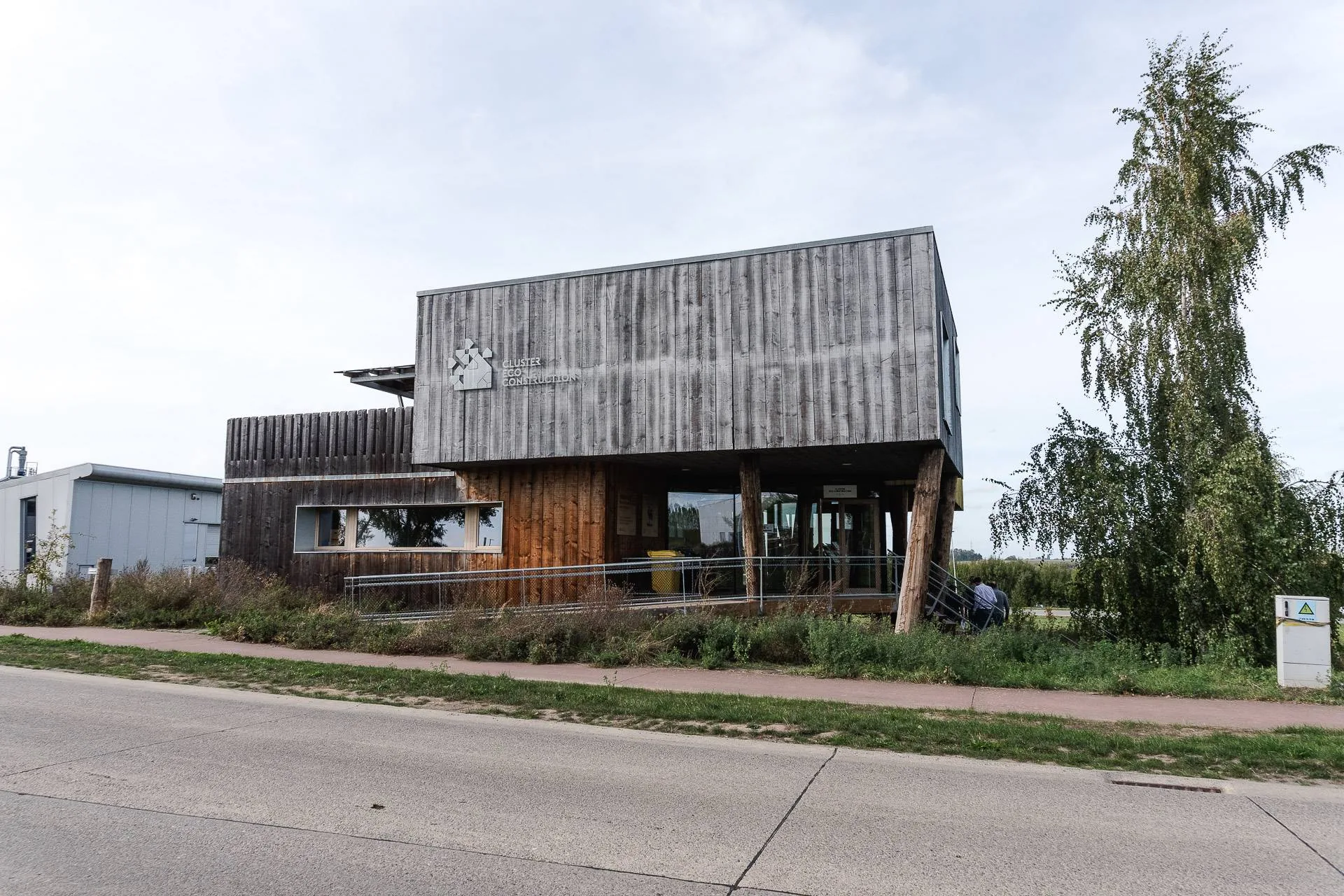
When it designed its building in 2021, the Cluster Eco-construction chose to rely entirely on the approaches it recommends. The result? A 100% reversible building: every element was designed to be dismantled and reused, using raw, untreated materials. Designed by Helium 3 with Havresac and built by MOBIC, the building houses 400 m² of offices and training spaces, set on screw piles rather than concrete foundations. The walls are prefabricated modules of half-round timber filled with local straw, and grass-based insulation is fitted in the partitions and floors. The building thus becomes a materials bank for the future, and a full-scale demonstration that a project can be designed never to produce waste, and even, why not, to gain value through the materials it is made of.
In short, the materials perform well (with the documentation to prove it), production is keeping up, and so is the evidence, and clients want projects that let them anticipate the future and live comfortably without adding to climate change. What remains is to write these materials into specifications, even though the hemp block already has its own clause in the Walloon CCTB. What project teams still lack are price benchmarks, and that is why we contributed, with EcoRes, to the biobased entries in the 2024 Bordereau des prix unitaires, the schedule of unit rates of the UPA-BUA.
Time to get on with it.
Thanks to Embuild.Brussels, in particular to Aymé Argeles and Nicolas F., for organising the day, and to Florent Timmermans, Anne-Michèle Janssen, Xavier Belis and the teams at Gramitherm, IsoHemp and the Cluster Eco-construction for their warm welcome.
Three pieces from the Magazine on supply chains already in place.
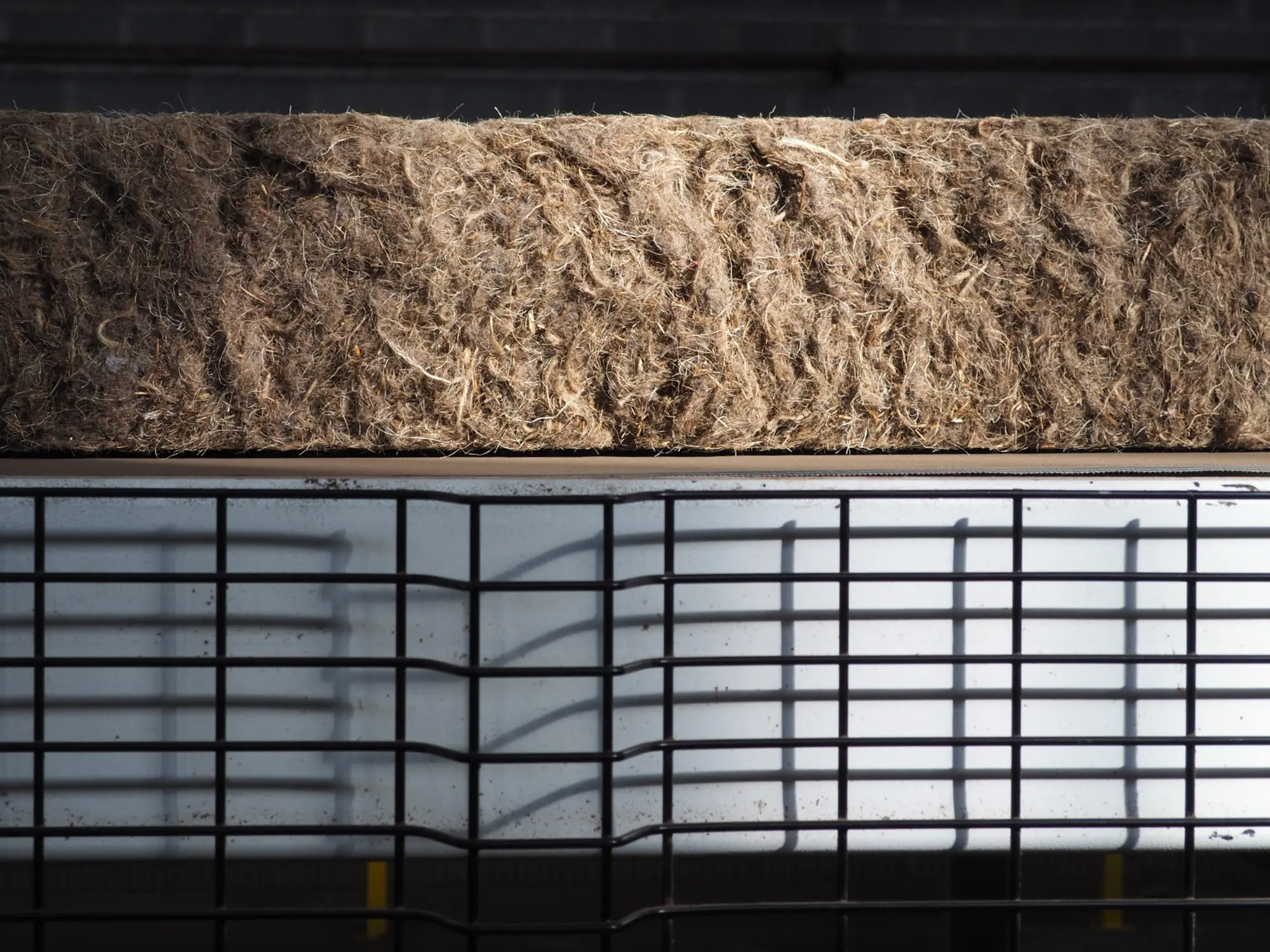
From roadside grass to insulation: 180,000 m³ a year produced in Auvelais.
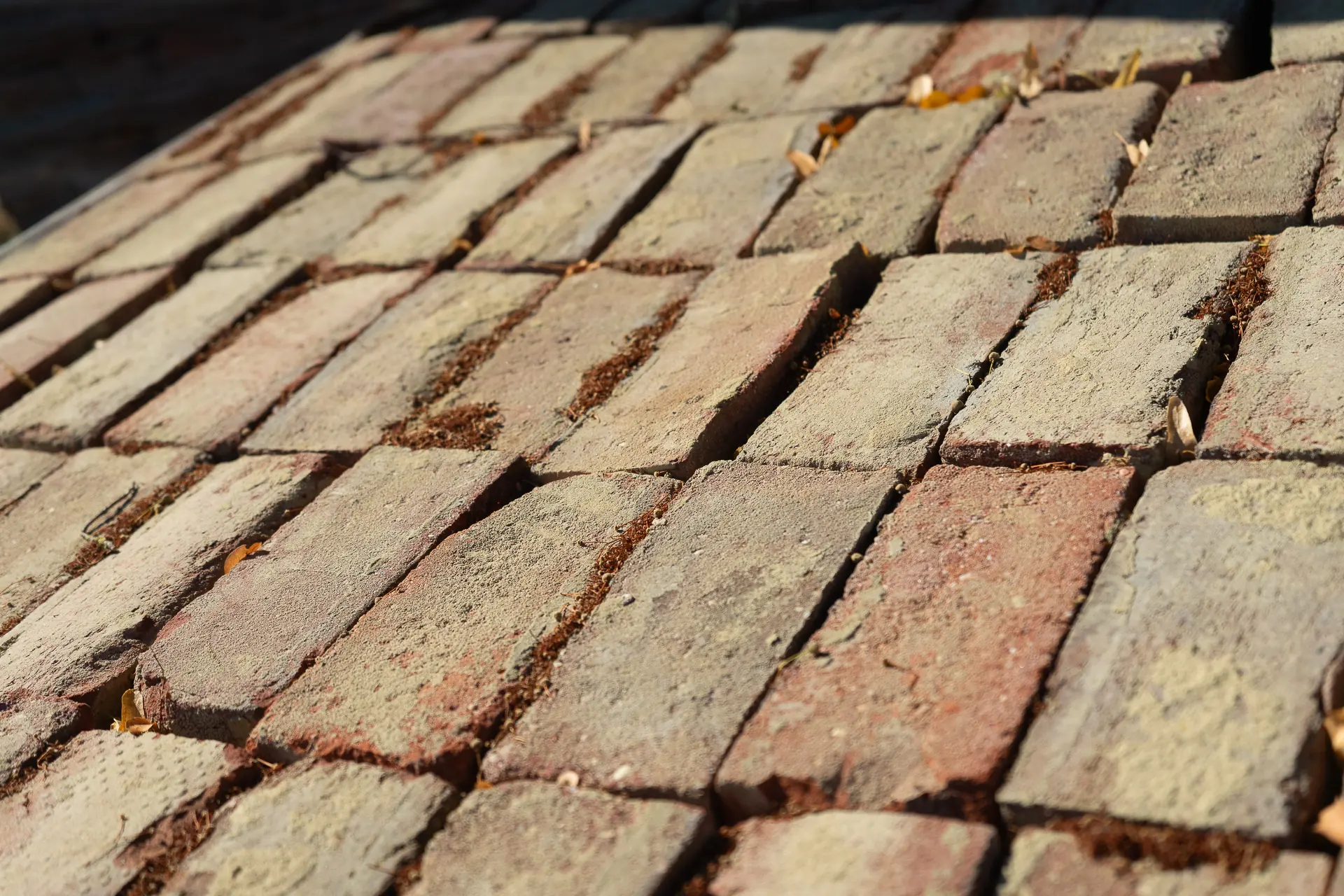
Steel, bricks and glazing removed on site go back into the renovated project.
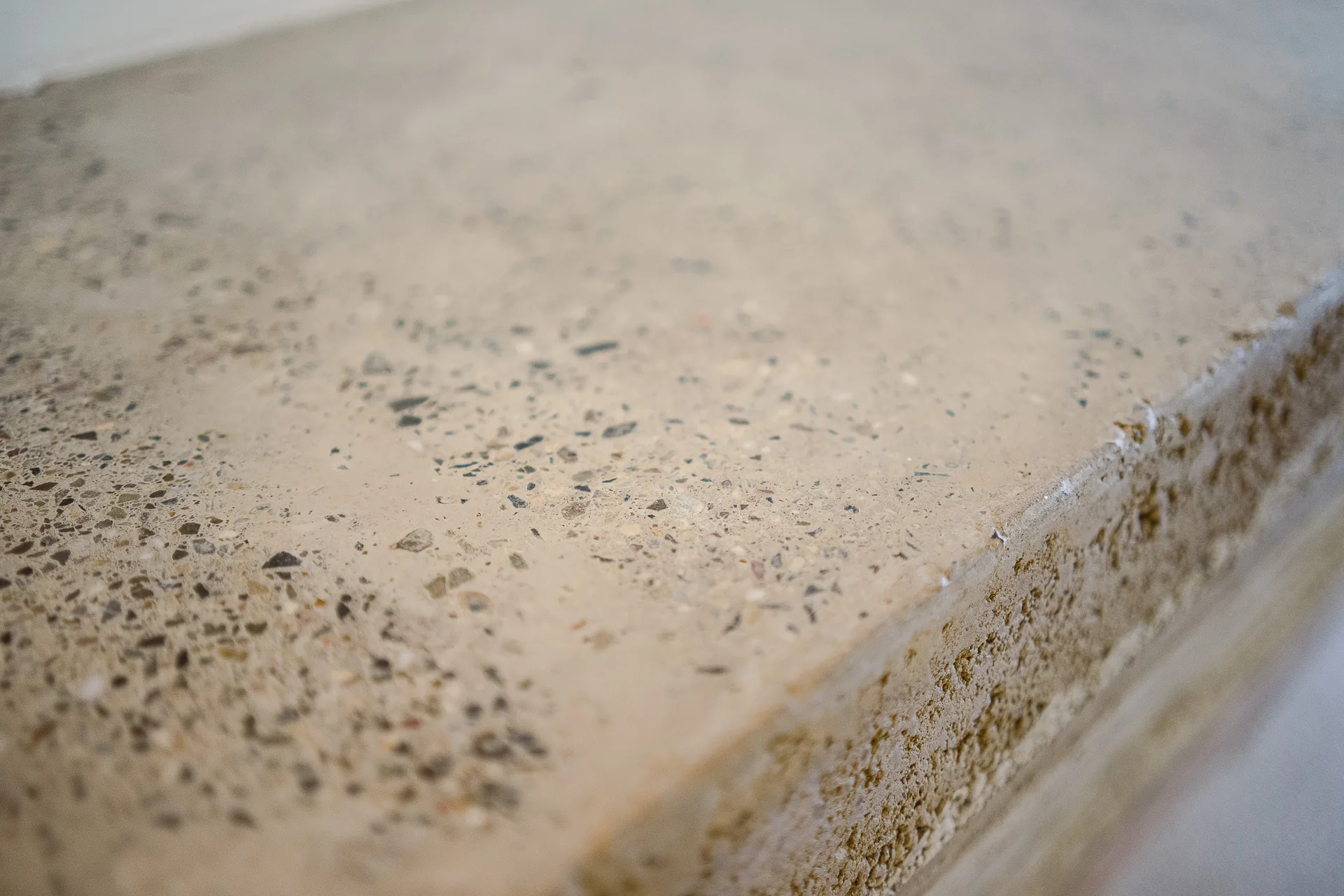
Rammed earth and linen cladding in a Brussels commercial interior.