Today we turn to ClayLime, a Belgian company based in Schaerbeek, in the Brussels-Capital Region. Known for its natural decorative plasters, ClayLime has built a reputation for environmental responsibility and for craftsmanship in clay and lime finishes. Founded more than ten years ago by Charles Hubert, the company combines sustainability with a command of application, which makes its products a convincing choice, both contemporary and mindful of ecology.
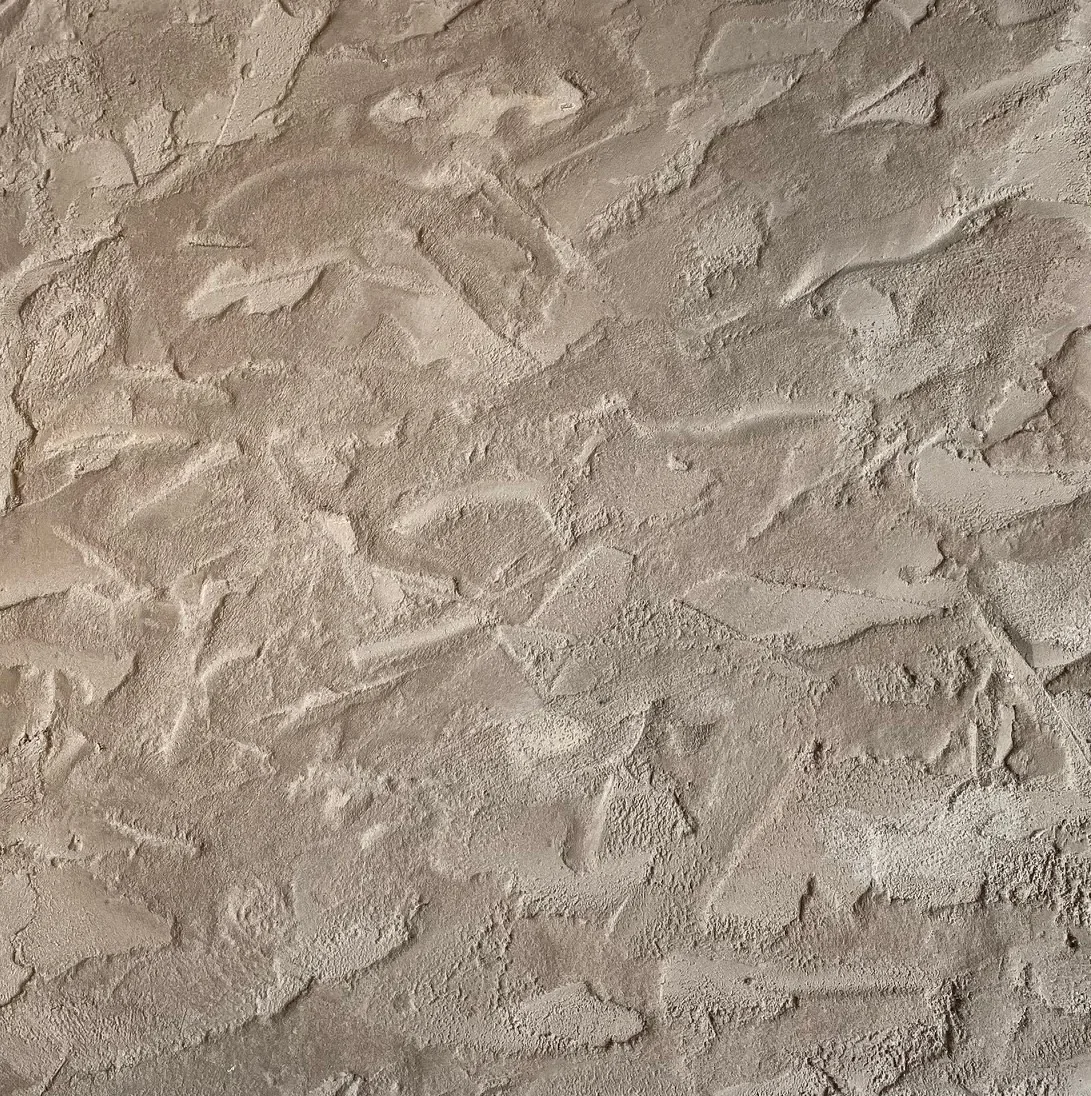
ClayLime plasters meet a growing demand for finishes that reconcile aesthetic quality with a low environmental impact. Made mainly of clay and lime, these natural materials give a clean, smooth appearance reminiscent of traditional tadelakt or, more recently, of microcement. Unlike cement-based coatings or ceramics, ClayLime products rely on local, low-impact raw materials, which reduces the carbon footprint of their manufacture and application.
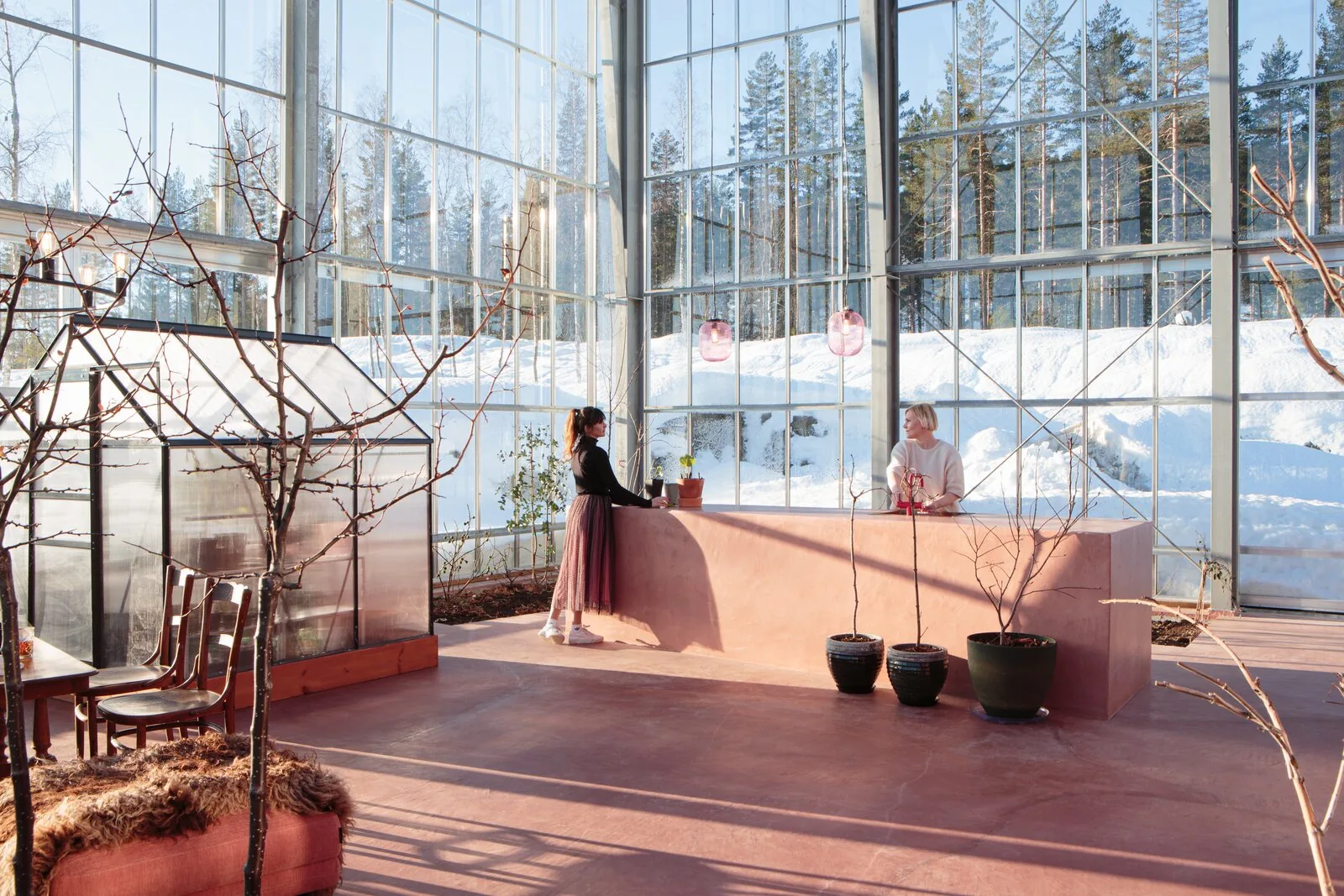
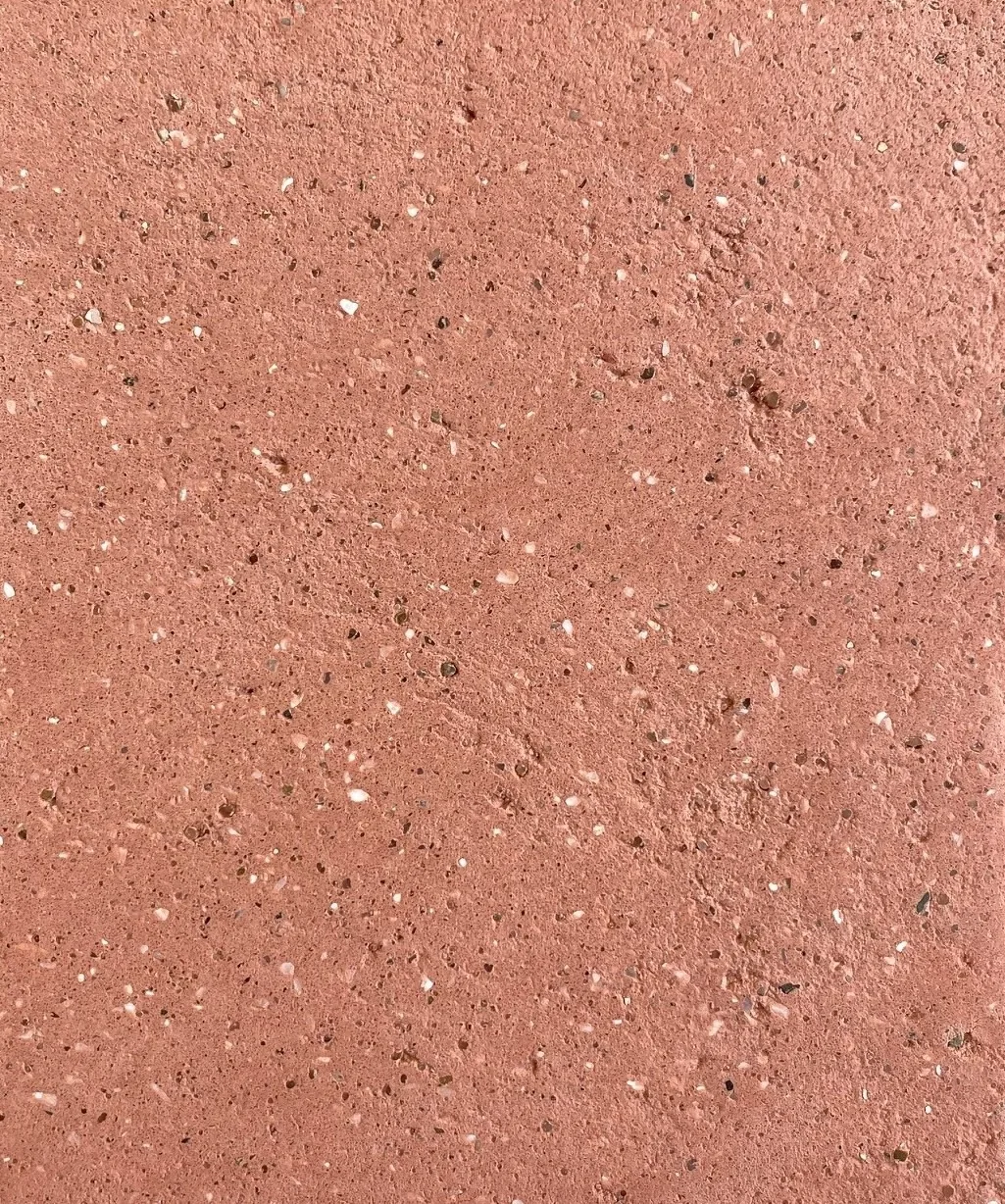
Beyond their environmental advantages, these plasters are applied with precision and give durable, striking finishes suited to many interior and exterior spaces. From bathroom walls to floors, their versatility is a real asset. The Wonderstone range, for example, offers a contemporary matt texture that suits homes and busy commercial spaces alike: a durable option that outlasts trends.
Among sustainable construction materials, ClayLime plasters offer a realistic alternative to tiling or concrete finishes, whose carbon footprint is often higher. As a splashback or a feature wall, they avoid the energy-intensive firing that ceramic tiling requires, with a lighter environmental load and an elegant, durable finish. At the scale of a building's environmental assessment, small changes, such as replacing a wall finish with a low-impact alternative, help to reduce the overall carbon footprint.
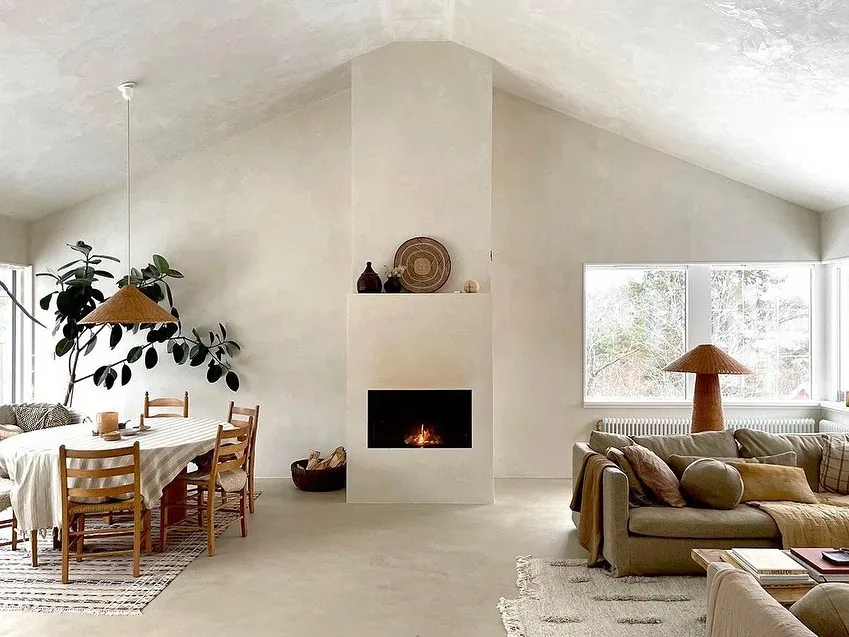
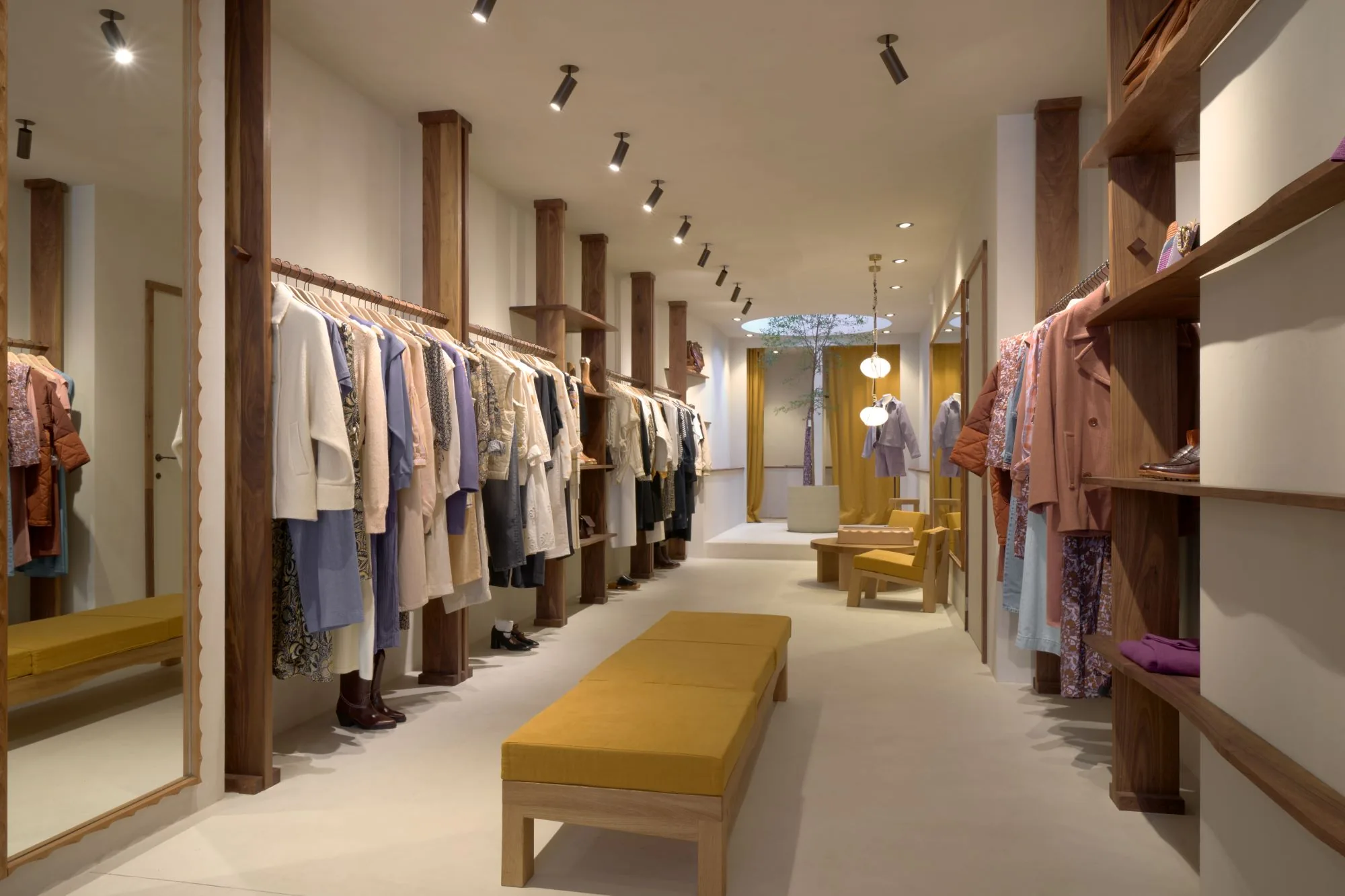
What perhaps best defines ClayLime's approach is the importance it gives to sharing knowledge and to environmental responsibility. Its products reflect a technical understanding of natural materials and a practical attention to clients' needs and to the subtleties of application. Each project comes with precise advice on application techniques, to help architects, designers and contractors get the best out of these distinctive materials. This transfer of know-how benefits clients less familiar with clay and lime, who achieve the best results with ClayLime's support.
Environmental responsibility is just as central to ClayLime's approach. The company seeks to improve its processes continuously and to explore new ecological applications, with a flexible and evolving approach to sustainability. The team shows its willingness to innovate by adapting to the needs of each project, without compromising on environmental standards.
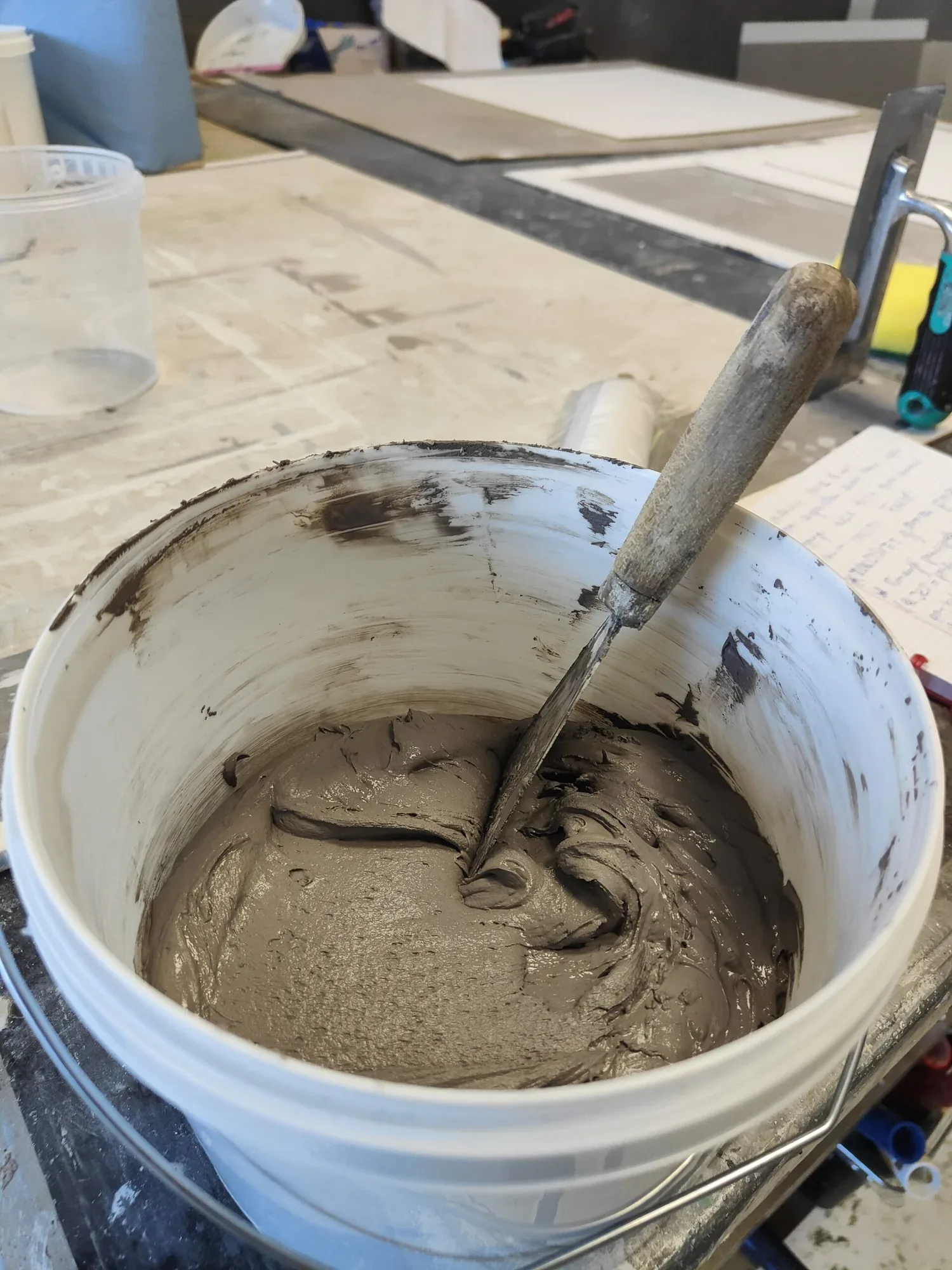
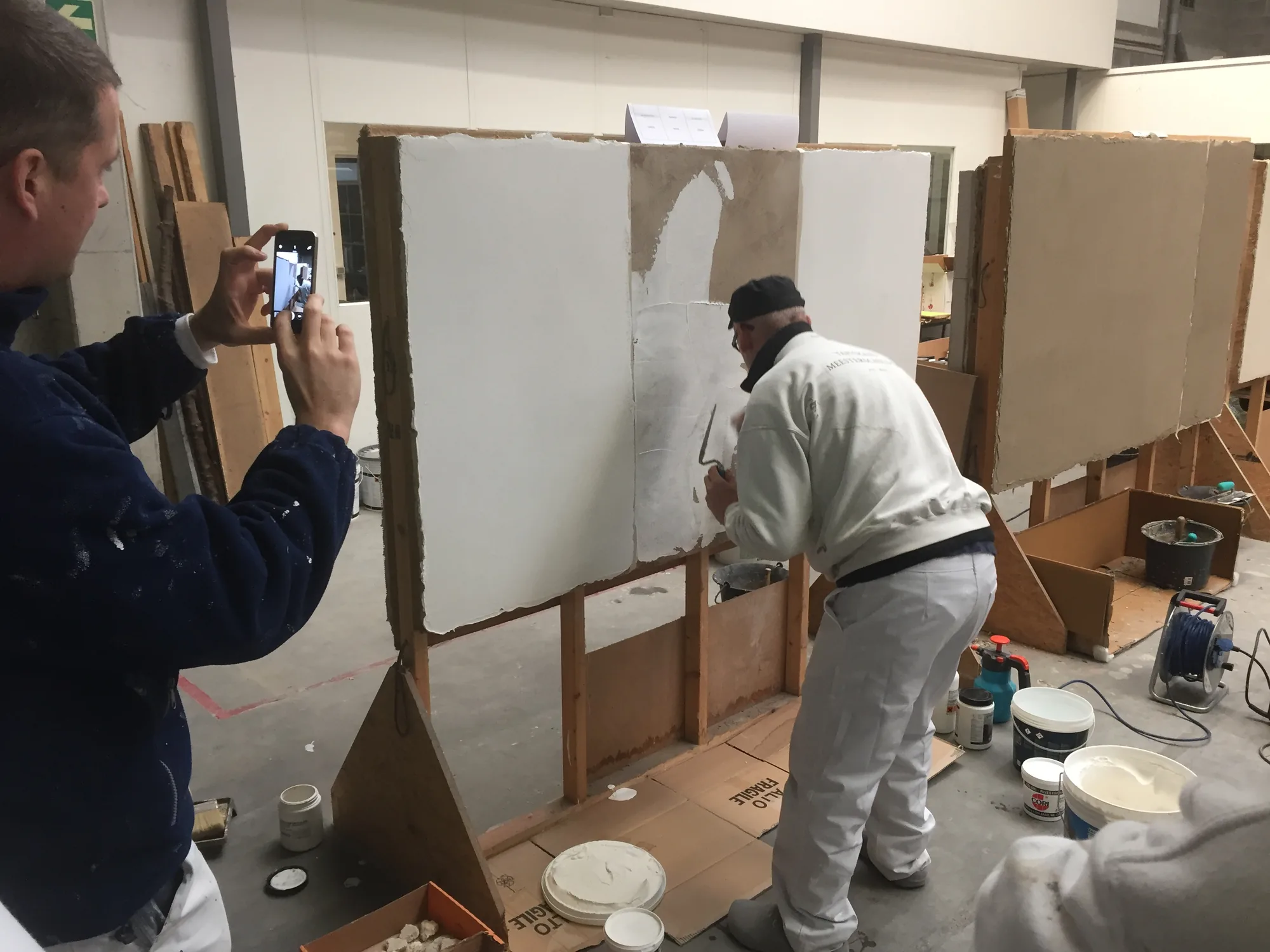
To see ClayLime products up close, a visit to the Schaerbeek showroom lets you handle the range of textures and applications. Last year, the Natura Mater team had the chance to work with ClayLime products during a team-building day, experimenting with Wonderstone to better understand its qualities and how it can be applied. Working the material directly was revealing: you grasp its composition, its texture and the balance it strikes between robustness and a refined appearance.
Visiting the showroom is more than seeing finishes: it is a chance to discuss the practical side of ClayLime in different settings with a team committed to informed, sustainable choices. Conversations with Charles Hubert and his team make it clear: ClayLime's commitment goes beyond the product and extends to a genuine interest in the role of natural materials in sustainable architecture and design.
For architects, designers and developers interested in sustainable finishes, ClayLime shows in practice how natural materials can adapt to today's needs without sacrificing environmental standards. No product is a universal answer, but the adaptability, durability and low environmental impact of ClayLime plasters make them an option worth exploring. By favouring materials aligned with the principles of sustainable construction, professionals contribute to a wider movement towards better-quality, lower-impact buildings.
Update of 5 November 2026: the French text was translated from the original version, published in English. Schaerbeek is a municipality of the Brussels-Capital Region, not a place “near Brussels”. At the scale of a building, a wall finish carries little weight in the carbon footprint: the original version spoke of a “significant” reduction; we now write that it contributes to one.
Three pieces from the Magazine, around natural plasters.
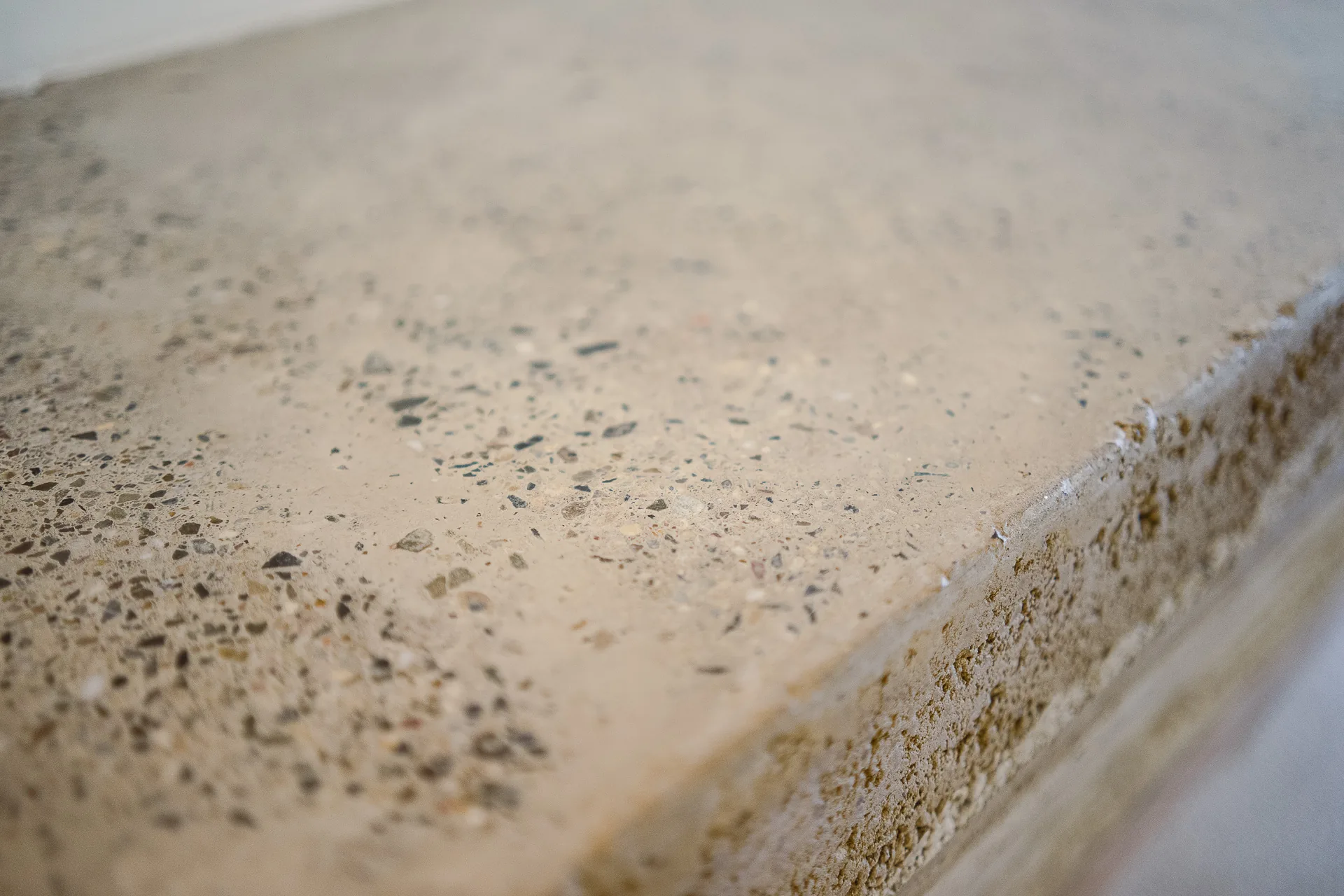
Rammed earth and linen cladding in a Brussels commercial interior.
A white clay plaster, a journey to Poland, and the origin of Natura Mater.
The history, production and uses of lime in renovation.