
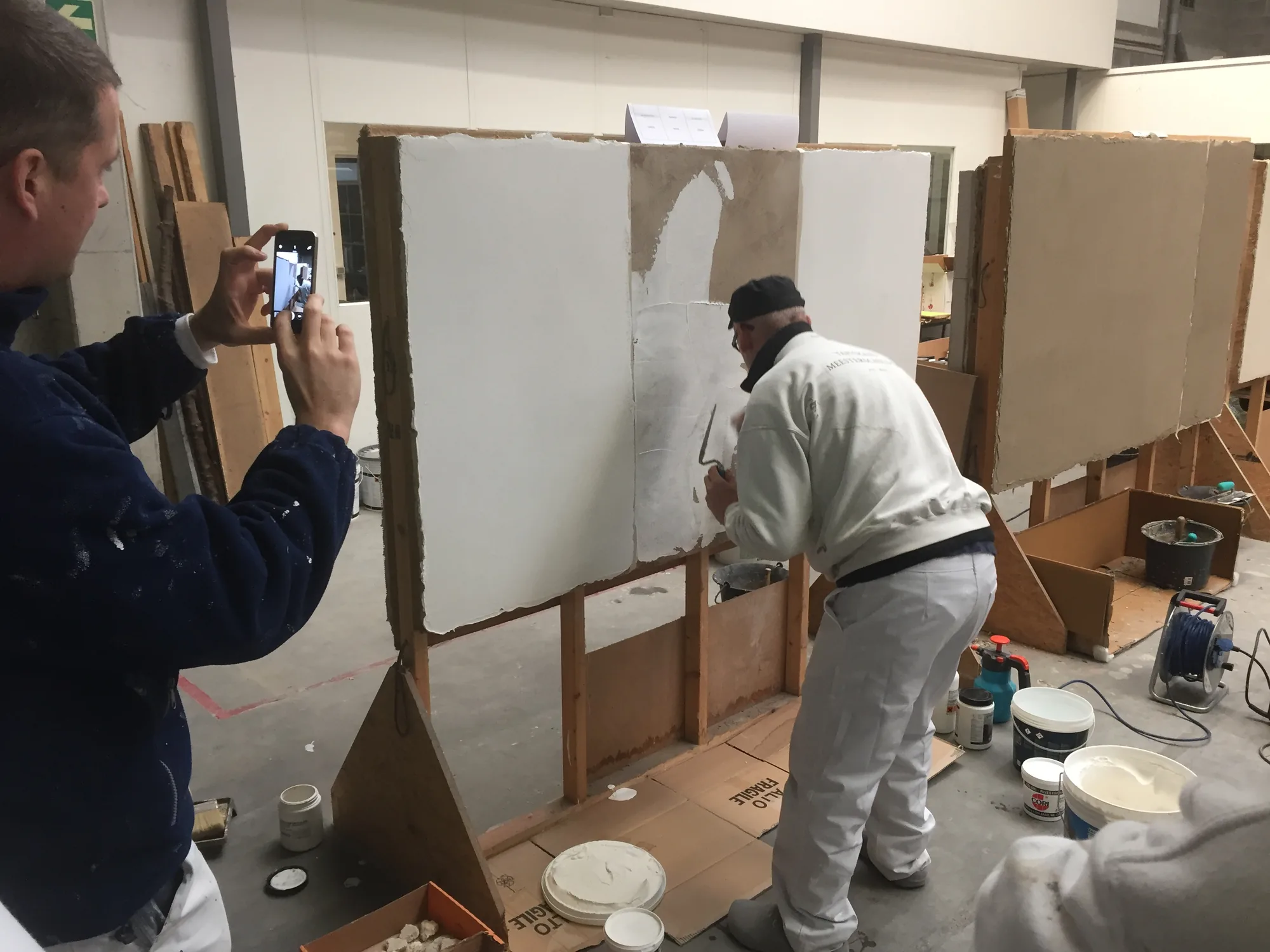
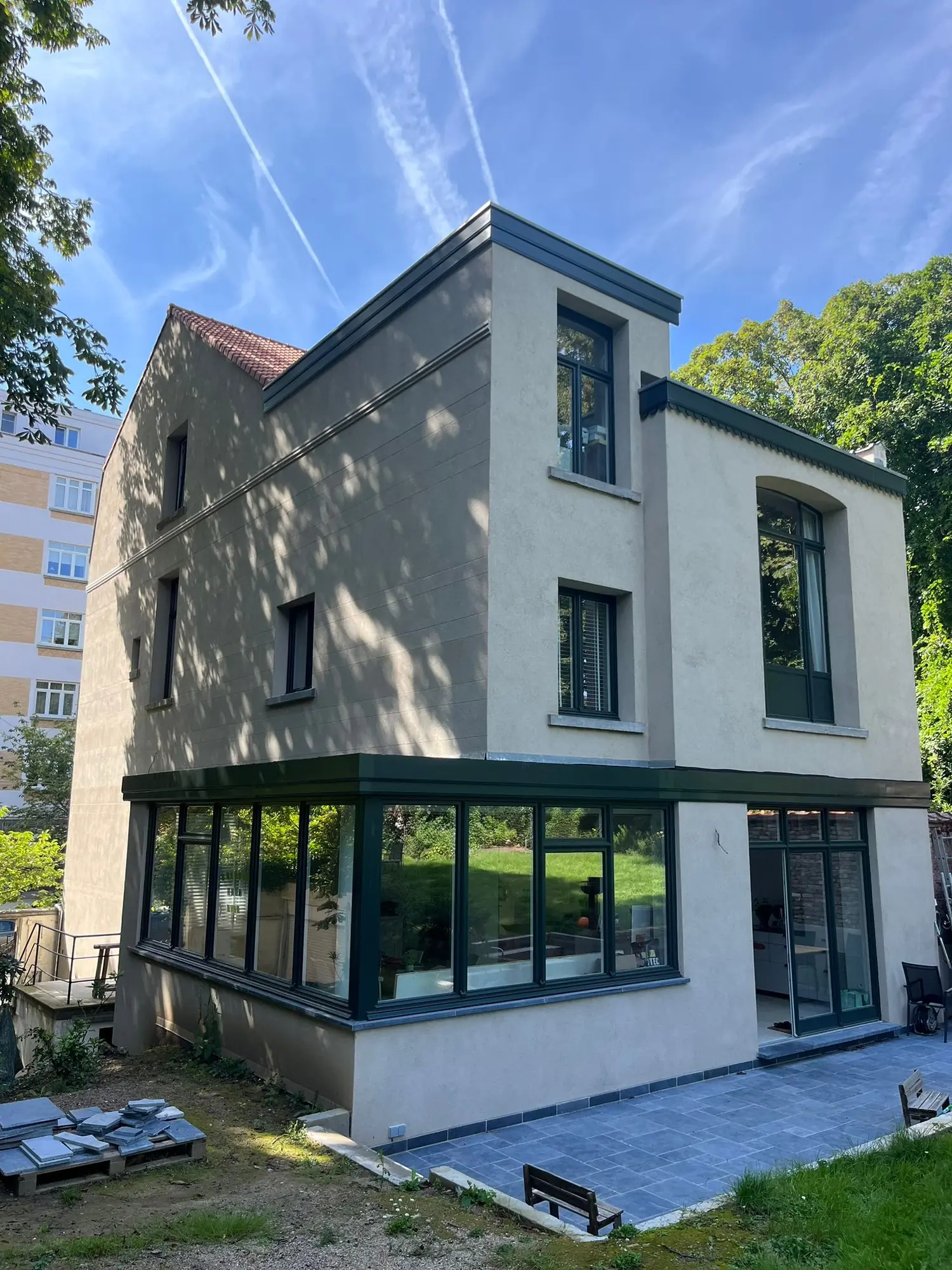
Lime, one of the oldest building materials known, is regaining its place as a pillar of sustainable construction. From ancient frescoes to contemporary ecological houses, it combines durability, flexibility and environmental benefits, which makes it particularly well suited to today's challenges in renovation and construction.
With Arte Constructo, we look at its technical properties, its history and its contemporary applications, to show why it remains essential to construction that puts sustainability, health and respect for the environment first.
Lime has been used in construction for thousands of years. Its earliest uses go back to ancient Egypt, where it served as a base coat for decorative wall finishes. The Greeks extended its use in plasters, and the Romans perfected lime mortars and introduced hydraulic lime, a binder that sets in the presence of water. This innovation made possible monumental works that still stand today, from aqueducts to domes.
Despite this prestigious past, lime lost ground in the industrial era with the arrival of cement. Its natural properties and its compatibility with sustainable practice explain its return, particularly in renovation and in ecological construction.
Production begins with the extraction of limestone, often in regions with rich geological deposits. Arte Constructo works with quarries in the Dolomites, in Italy, where limestone has been quarried for more than two centuries. The key stages:
Although calcination uses a great deal of energy, the process emits less carbon than cement production. Lime also reabsorbs part of the CO₂ emitted during production through carbonation, which partly offsets its footprint.
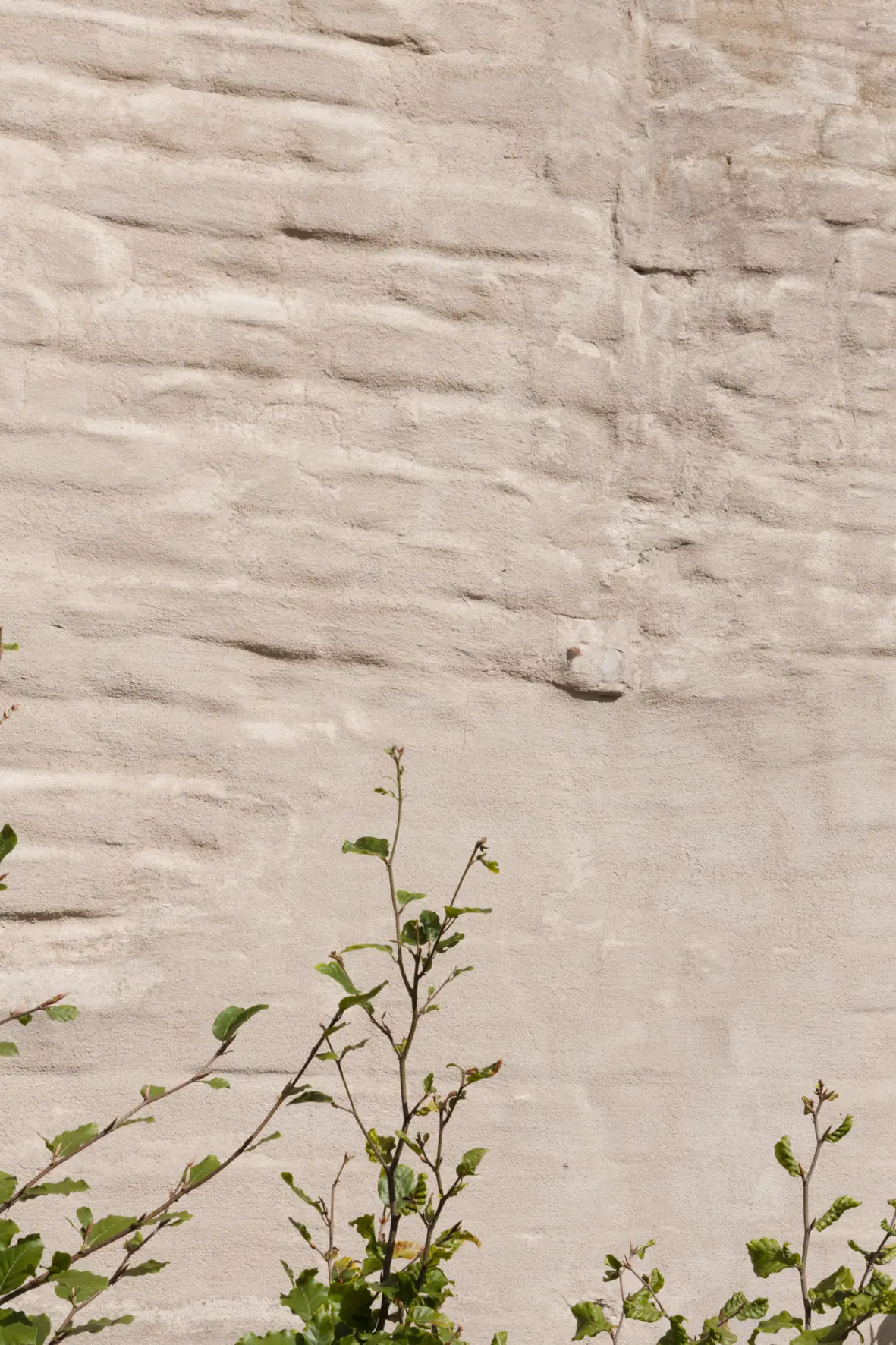
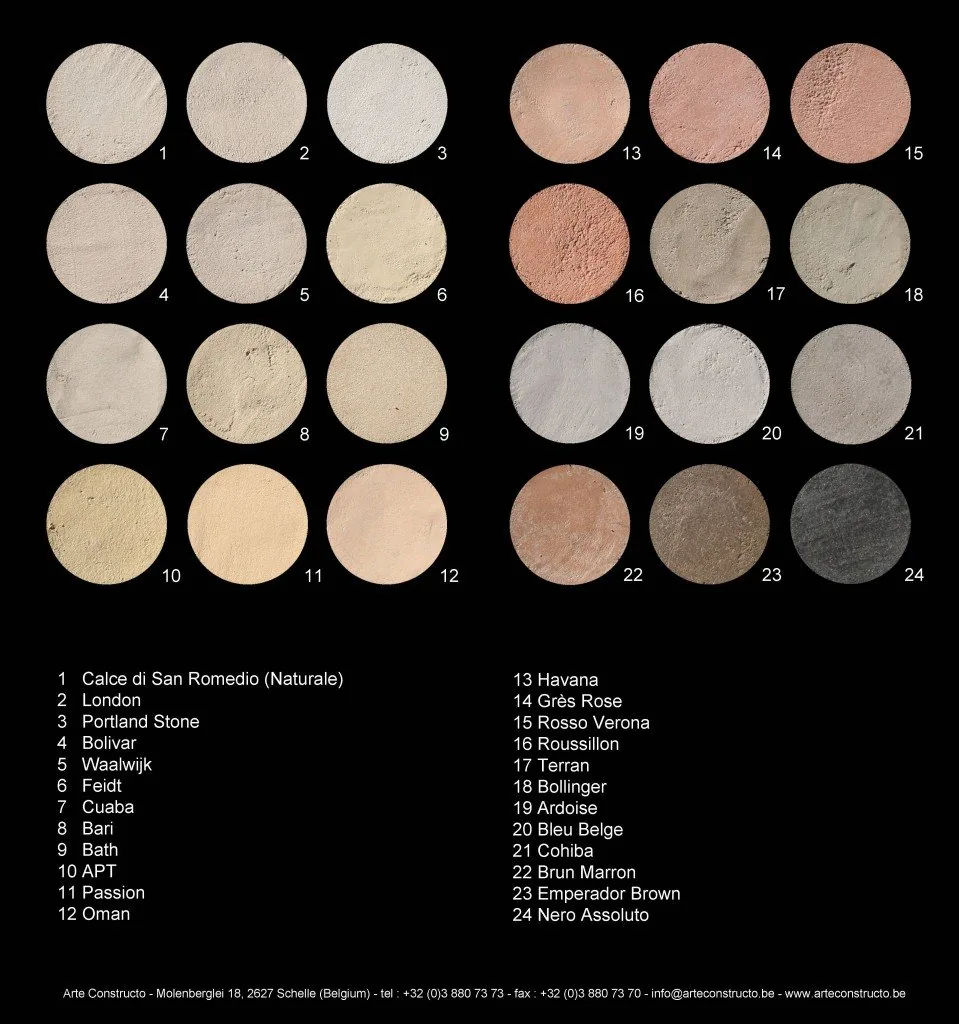
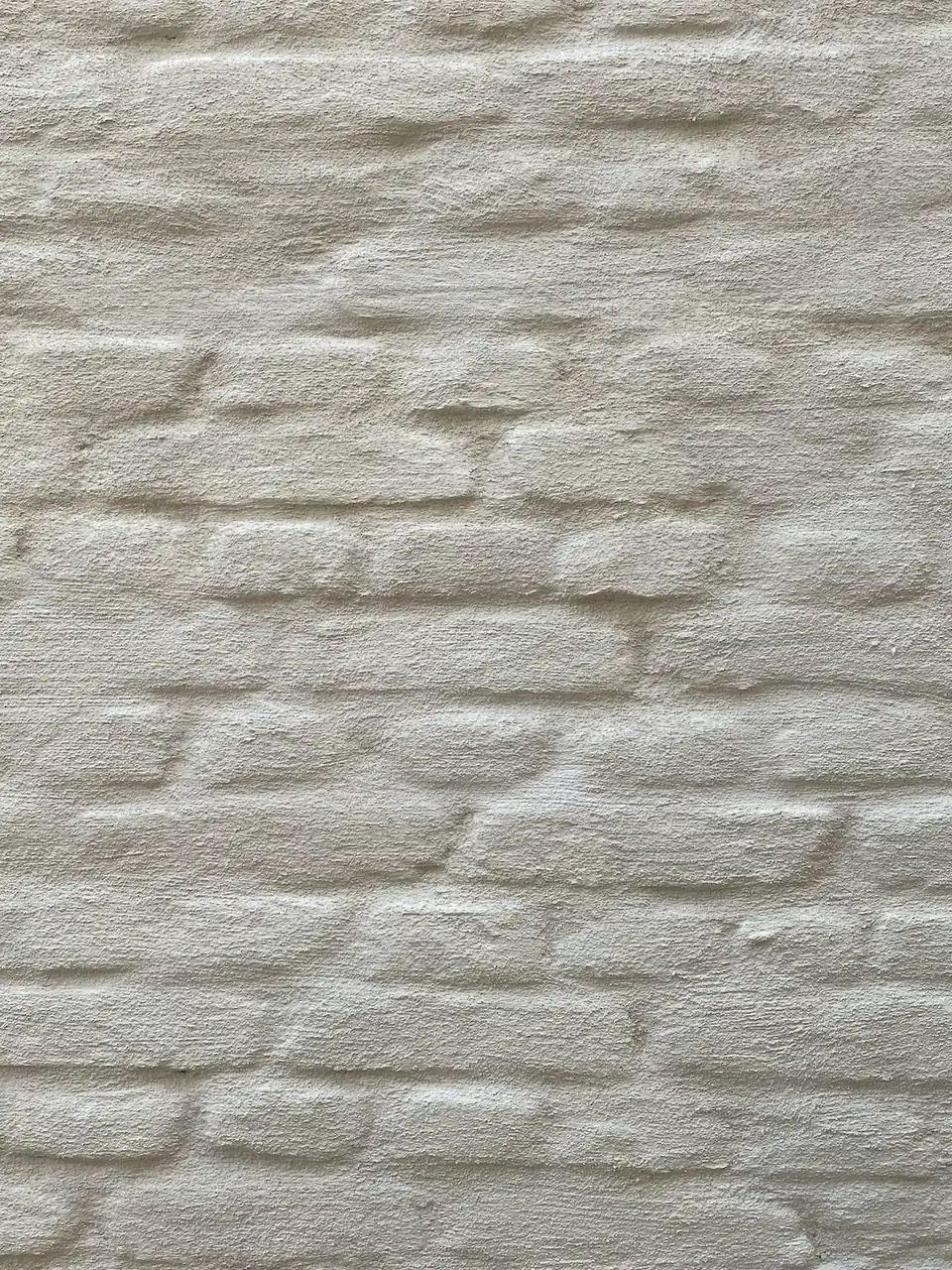
Lime is more than a binder: it improves the performance and longevity of buildings. Its properties make it particularly valuable in sustainable renovation and eco-construction:
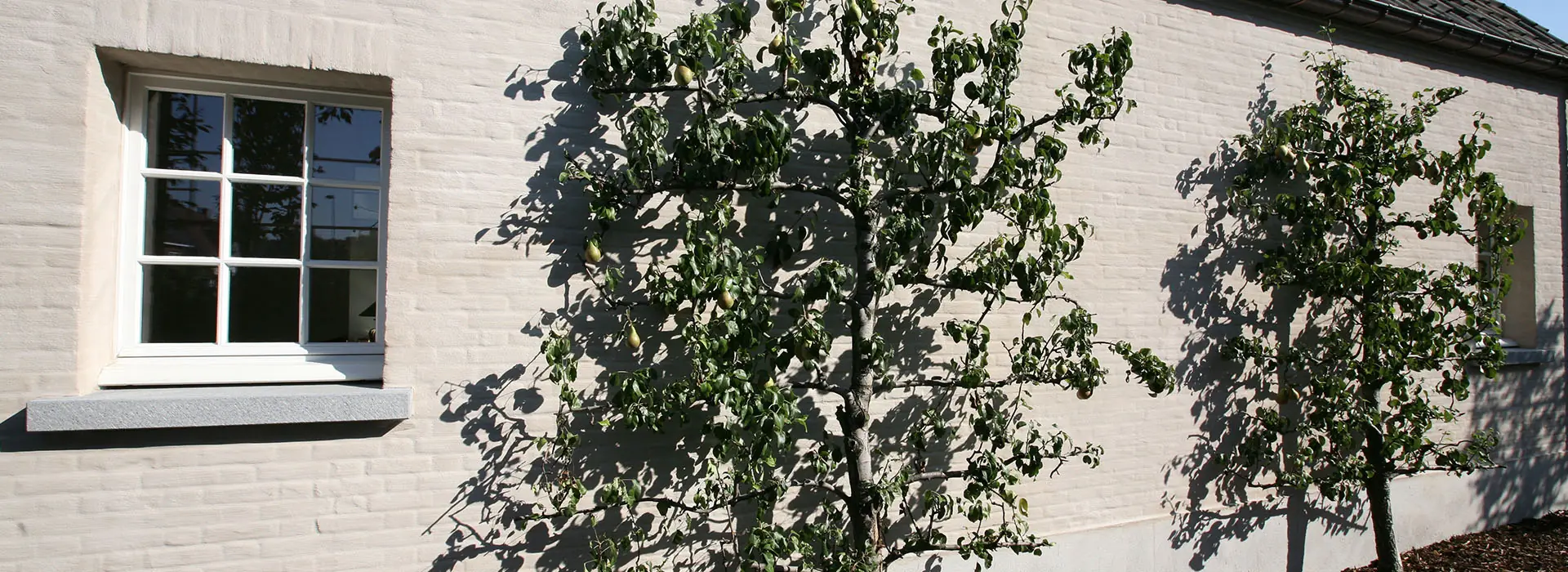
In renovation, lime is an indispensable material for meeting structural and environmental challenges:
Lime is not limited to restoration. It is increasingly part of contemporary eco-construction:
In a circular approach to construction, lime opens up possibilities for reuse and recycling. Lime-based materials from deconstruction can often be recovered and reintegrated into new projects. Arte Constructo is actively exploring these routes, so that lime continues to contribute to a low-waste building economy.
The return of lime to construction shows its ability to meet the challenges of sustainable building. Its compatibility with heritage restoration, low-carbon construction and health-conscious design makes it a material without equal for projects that aim for longevity and environmental responsibility.
By choosing lime, architects and contractors build resilient, adaptable buildings in line with the principles of sustainability. Whether preserving a historic facade or designing a contemporary ecological house, lime offers a timeless answer for construction that looks to the future.
Update of 5 November 2026: text revised from the original version, published in English. Two clarifications: lime is a natural mineral material, but it is neither renewable nor biodegradable, as the original version claimed; hempcrete combines lime with hemp shiv, not with hemp fibres.
Three pieces from the Magazine, on lime.
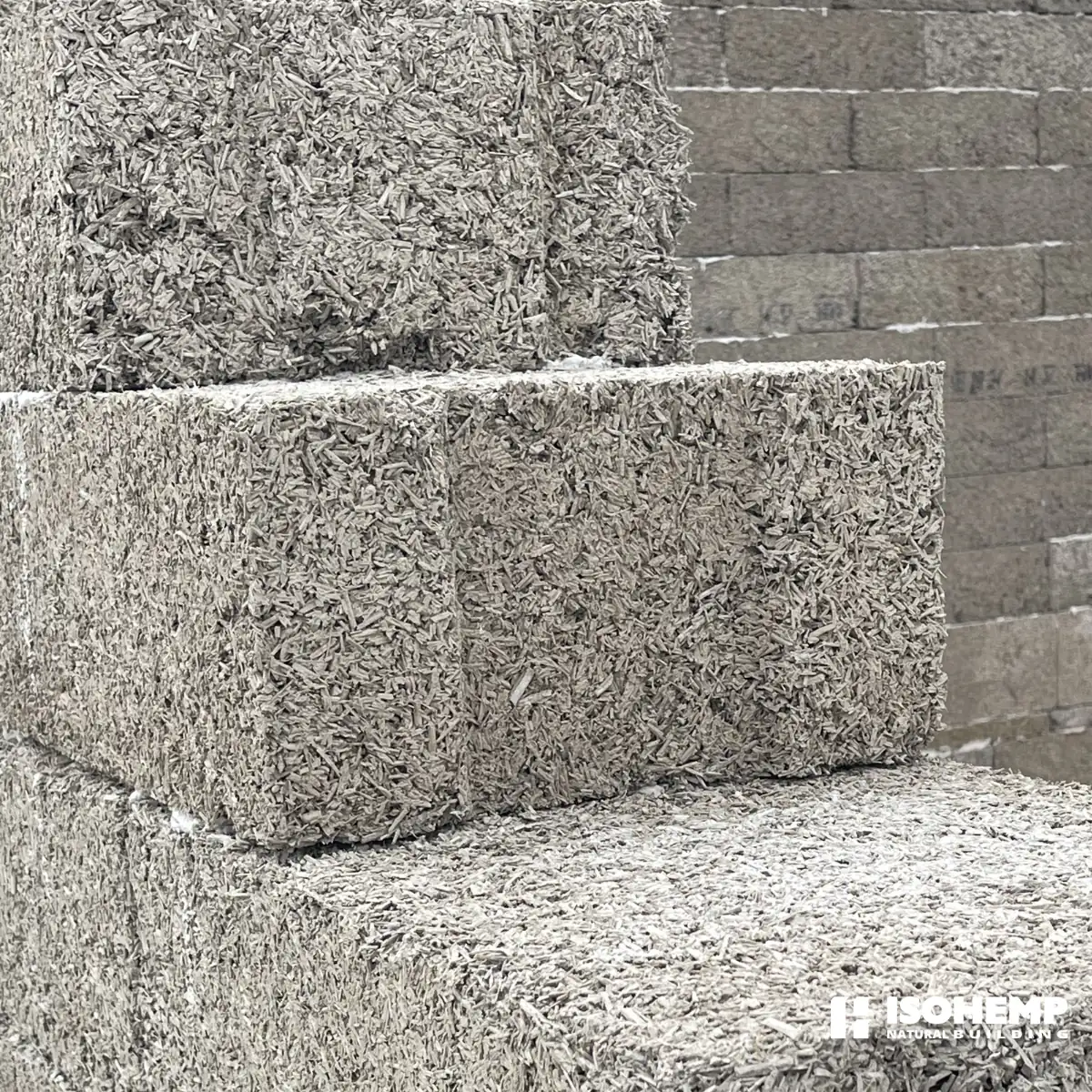
Two Belgian producers, two approaches: blocks and loose fill.
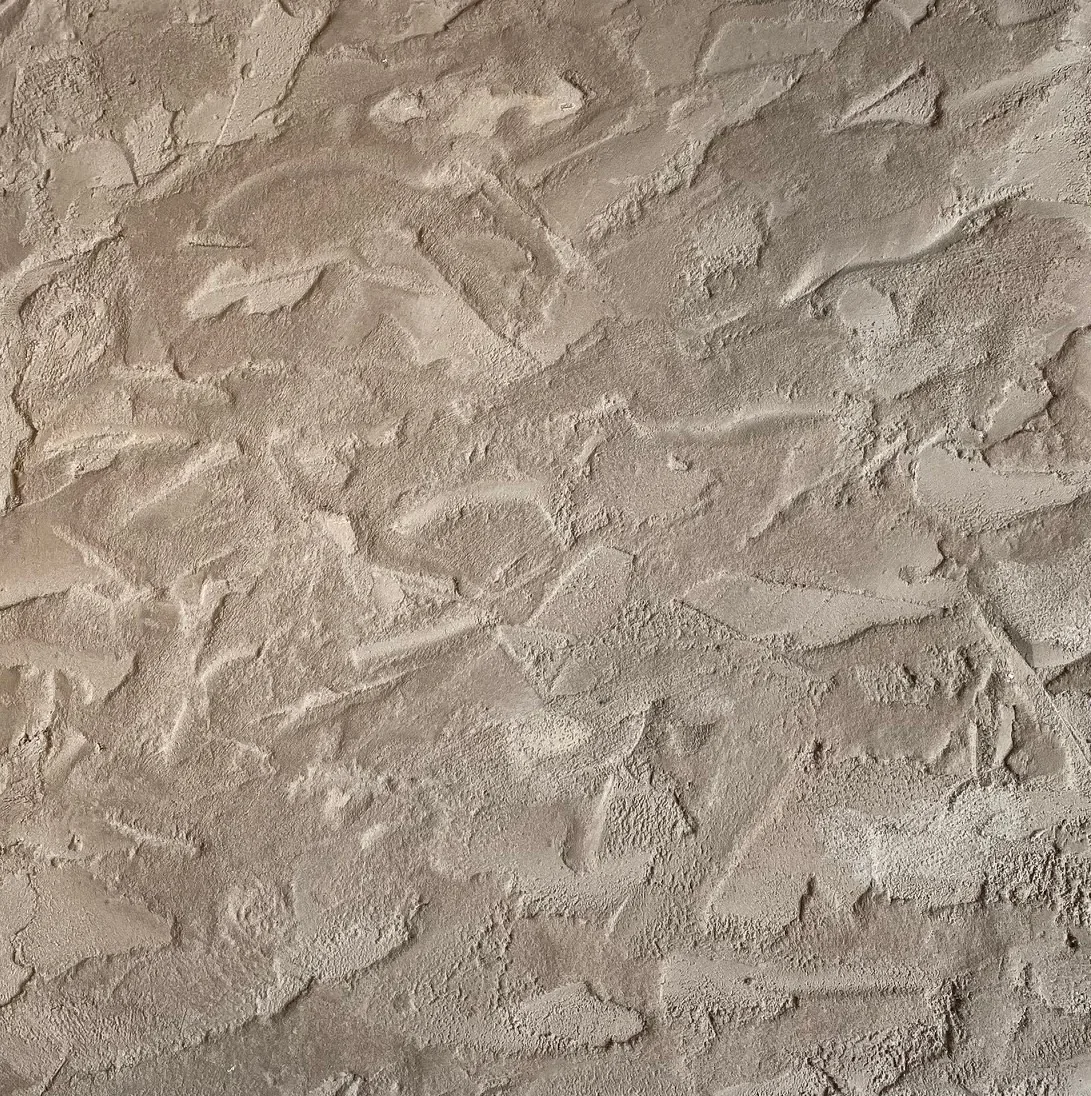
Natural clay and lime plasters, made in Schaerbeek.
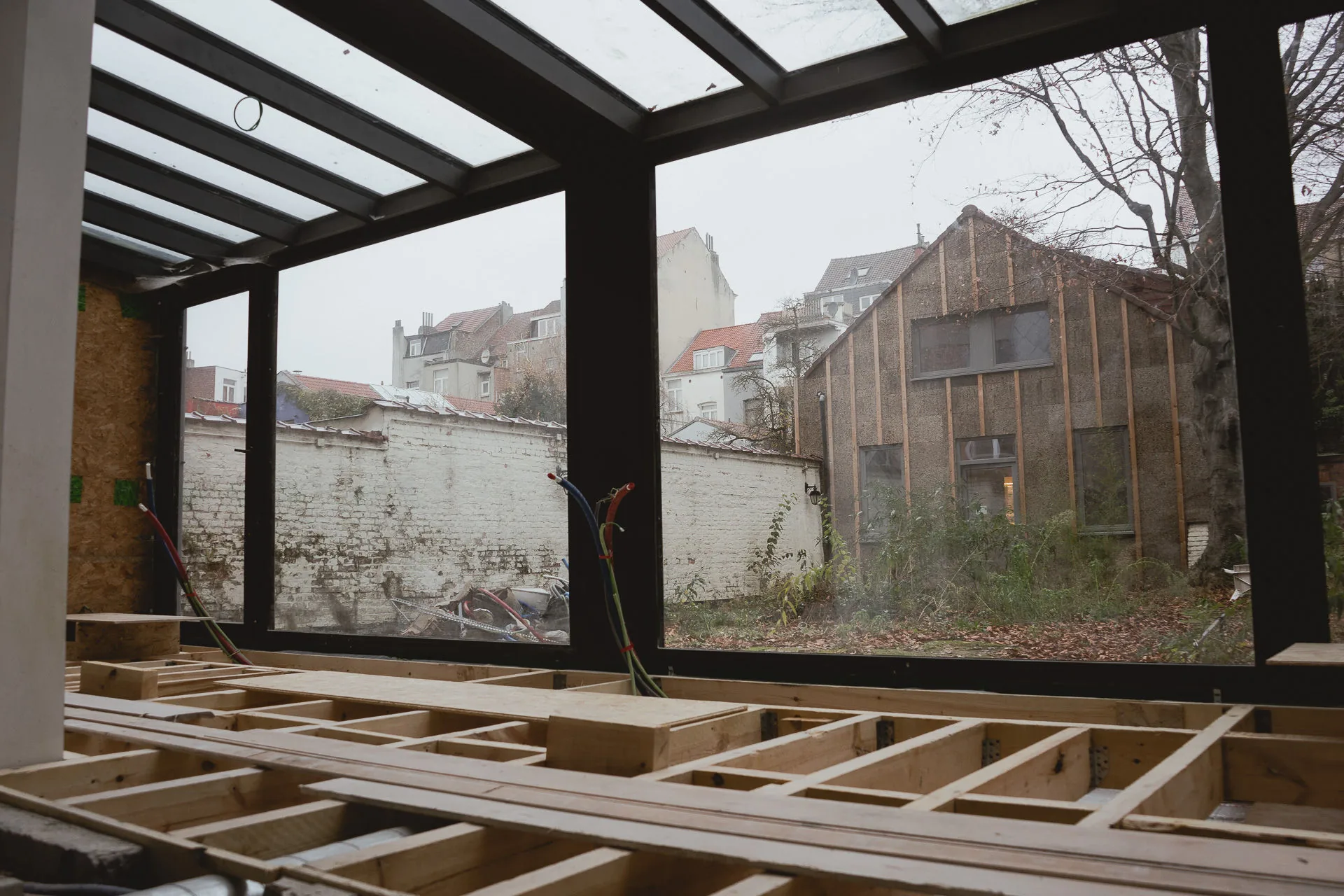
A project that takes the opposite approach to piling up technical systems.