
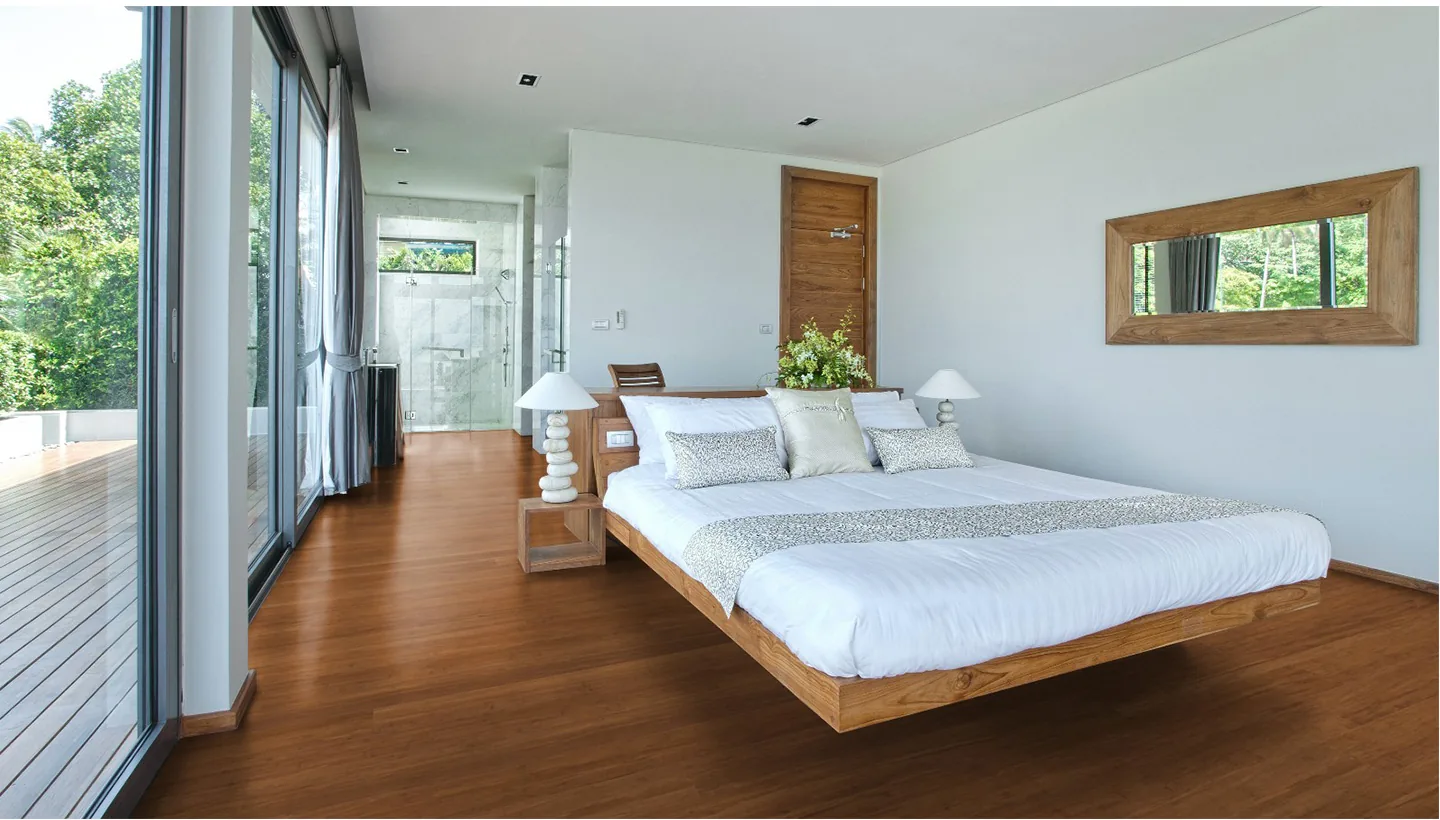
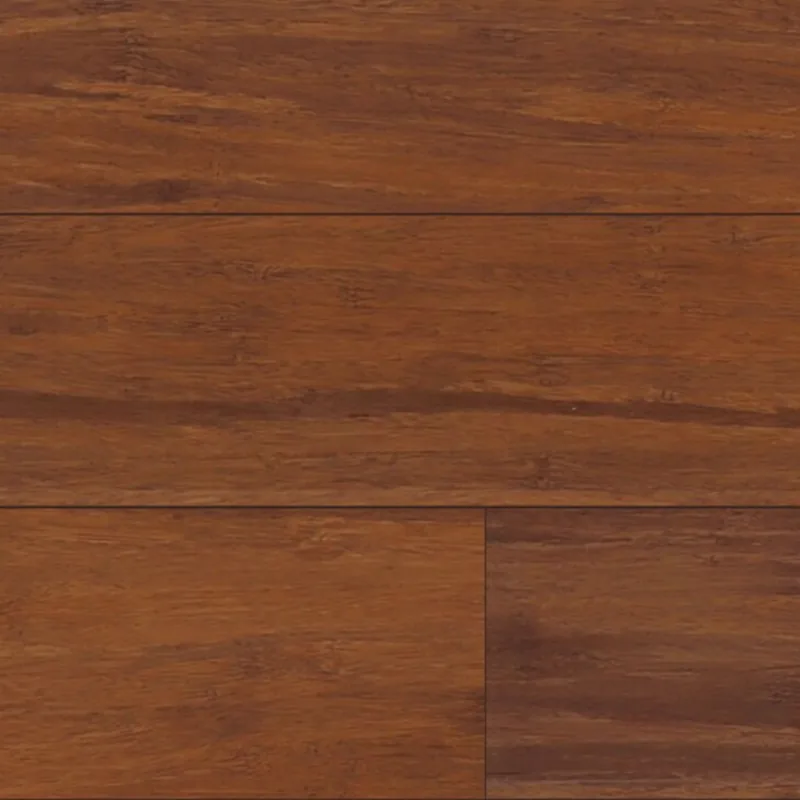
In our Advent calendar devoted to sustainable materials, we turn to bamboo, a renewable, strong and adaptable material that has become a convincing alternative to conventional timber. BambooTouch®, a brand created by a team with a passion for wood and nature, shows what bamboo can offer in the face of today's environmental challenges. At a time of rapid deforestation and dwindling timber resources, bamboo offers a naturally regenerative option, indoors and out.
We recently visited Arqeh's Baeck project, where bamboo has been installed. There, the architecture practice developed a facade made entirely of bamboo, working with Jonathan, Claudy and Philippe, who are open to questions and discussion about experimental bamboo designs. Bamboo's flexibility allows it to meet these challenges and to serve creative and architectural visions without compromise.
The traditional timbers used in construction, particularly outdoors, are becoming scarce. Ipe, one of the most sought-after species for decking, is under threat, with growth cycles of more than a century and forests that struggle to keep up with demand. This overexploitation of hardwoods drives deforestation and makes alternative materials necessary. BambooTouch® grew out of this observation, with a mission: to replace traditional timber with bamboo wherever possible.
Unlike slow-growing hardwoods, bamboo is a fast-growing grass whose capacity to sequester carbon far exceeds that of many trees. Moso bamboo (Phyllostachys pubescens), a giant species, can reach 30 metres in height in five to six years and matures far sooner than trees such as oak, which take decades to reach a comparable size. This accelerated cycle allows sustainable harvesting and a continuous resource, without replanting.
Bamboo's most remarkable characteristic is its ability to absorb carbon dioxide efficiently. Moso bamboo captures up to 30% more CO₂ than broadleaf trees, around 12 tonnes of CO₂ per hectare per year. This high sequestration rate helps to counter the greenhouse effect and climate change. Because the species does not need replanting after harvest, bamboo also helps to maintain soil structure and prevent erosion.
Replacing hardwoods with bamboo also addresses the effects of deforestation on biodiversity and on atmospheric CO₂. With around 50,000 km² of forest lost every year, deforestation is among the main sources of human-caused CO₂ emissions. As a rapidly renewable resource, bamboo offers an alternative that eases the pressure on the world's forests.
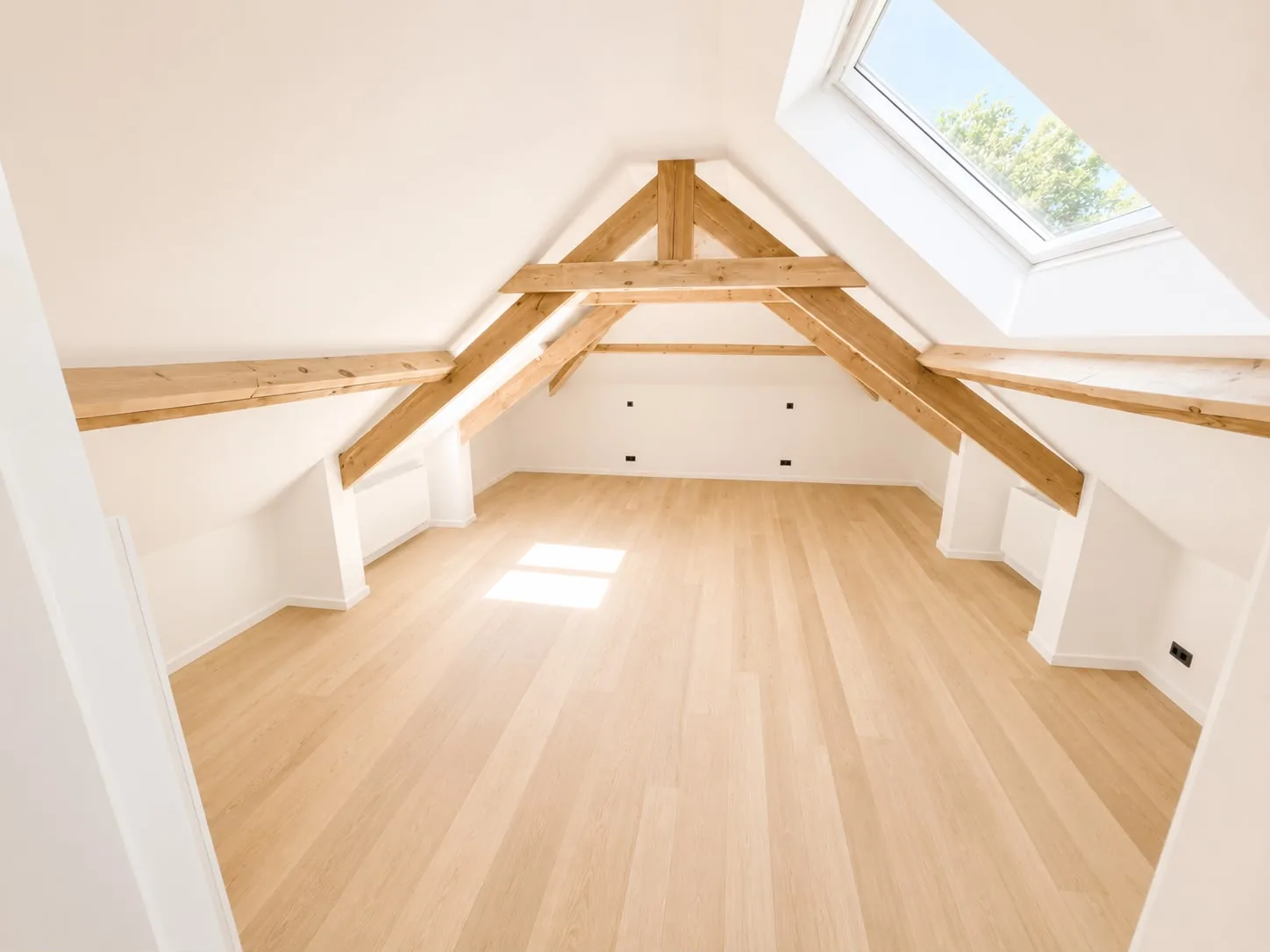
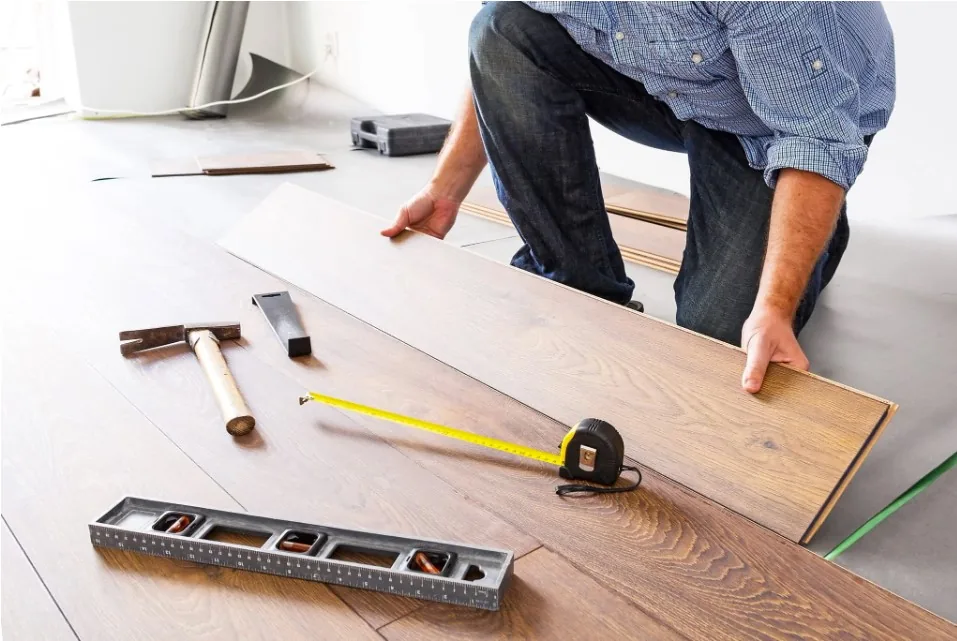
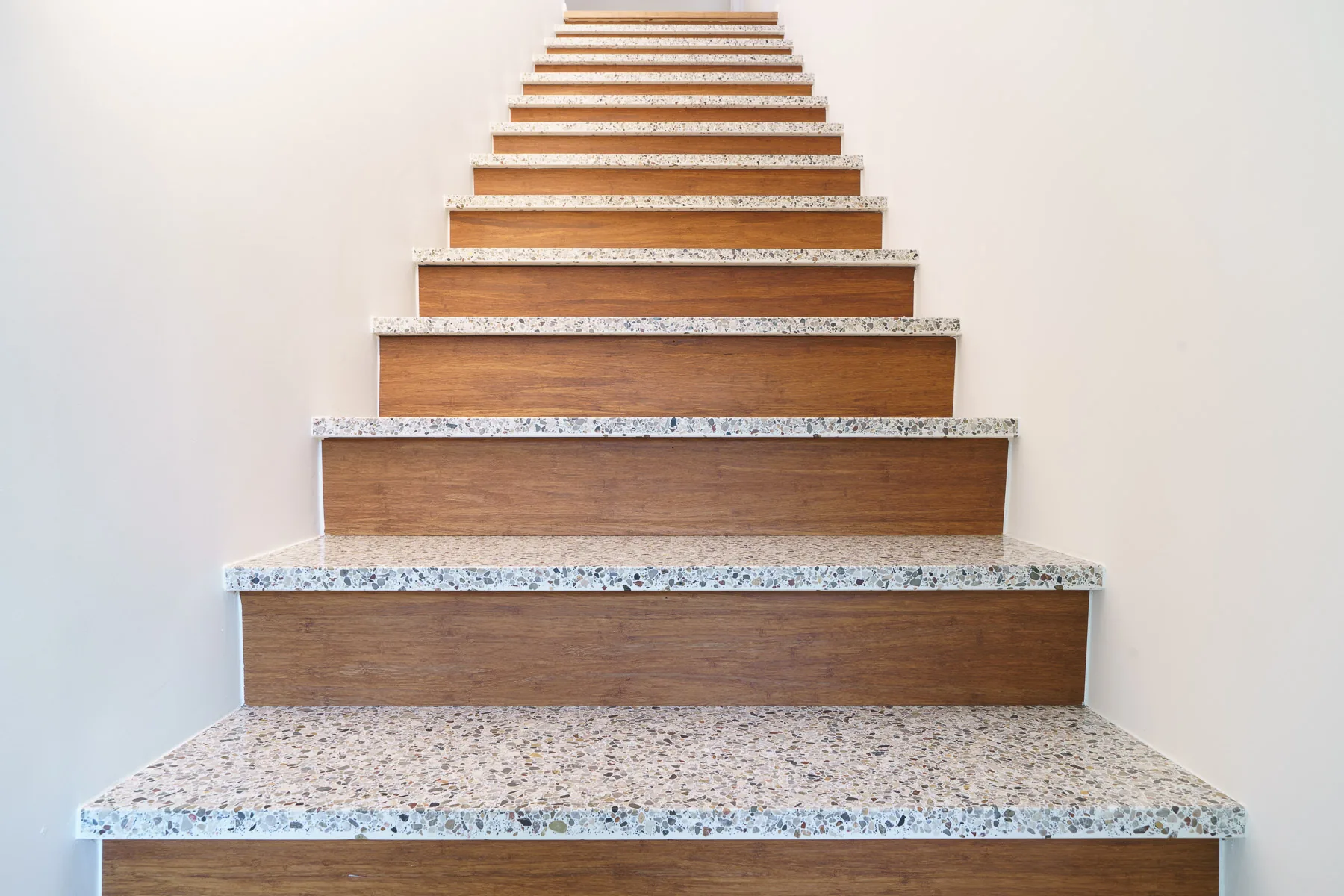
For more than 15 years, BambooTouch® has been widening the applications of bamboo in the residential and commercial markets, from flooring and decking to furniture. Its high standards of quality allow bamboo to compete with traditional materials in durability, appearance and price. Moso bamboo thus offers strength and stability comparable to those of structural timber. It outperforms timber, and in some respects even steel, in elasticity and hardness, which has earned it the nickname “green steel” in Asia.
Bamboo's physical characteristics allow it to withstand intensive use without compromising on style. As decking, as a bathroom wall or as an architectural element, it offers a natural and refined appearance that rivals traditional timber finishes. For anyone exploring sustainable options in design, its durability and its aesthetic appeal make it a material worth considering.
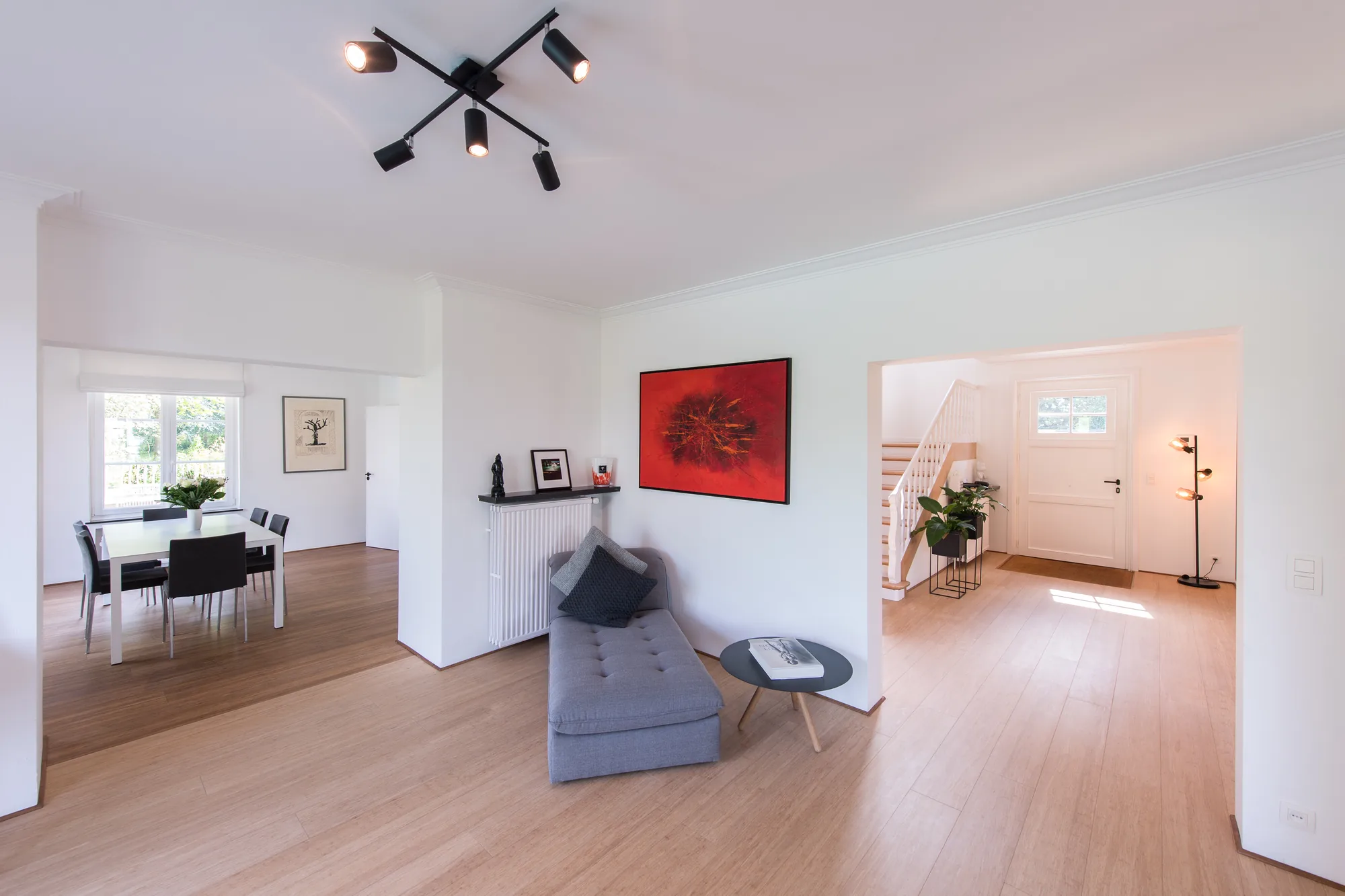
On our recent visit to the Baeck project, we saw bamboo integrated into contemporary architecture, where its versatility made creative and experimental uses possible. The BambooTouch® team, Jonathan, Claudy and Philippe, showed their expertise and their adaptability, and were open to discussing less conventional applications. This flexibility underlines bamboo's potential for innovative architectural designs, beyond the usual uses of timber.
The team's hands-on approach and its openness to design challenges show the range of what is possible, as architects increasingly look for materials aligned with their sustainable construction goals. With the right guidance and technical support, bamboo can add to both the function and the appearance of a project.
Bamboo's potential goes beyond its aesthetic and physical qualities: it reflects a change in how we look at materials, as the sector searches for alternatives to non-renewable resources. Bamboo will not replace timber everywhere, but using it in a targeted way in place of high-impact timbers such as ipe can make a real difference to a sustainable approach. For architects, designers and contractors committed to reducing their footprint, it offers an alternative that respects ecological limits and strengthens the resilience of projects.
With brands such as BambooTouch®, the building sector has access to a material that reconciles ecological responsibility with high performance. We invite everyone to explore what bamboo can do and to discover how this “green steel” can enrich sustainable construction.
Update of 5 November 2026: the French text was translated from the original version, published in English. Two statements have been qualified: ipe is a threatened species, not “on the brink of extinction”; the share of deforestation in human CO₂ emissions (“around 20%”) came from old estimates and has been removed.
Three pieces from the Magazine, around alternatives to hardwood and metal.
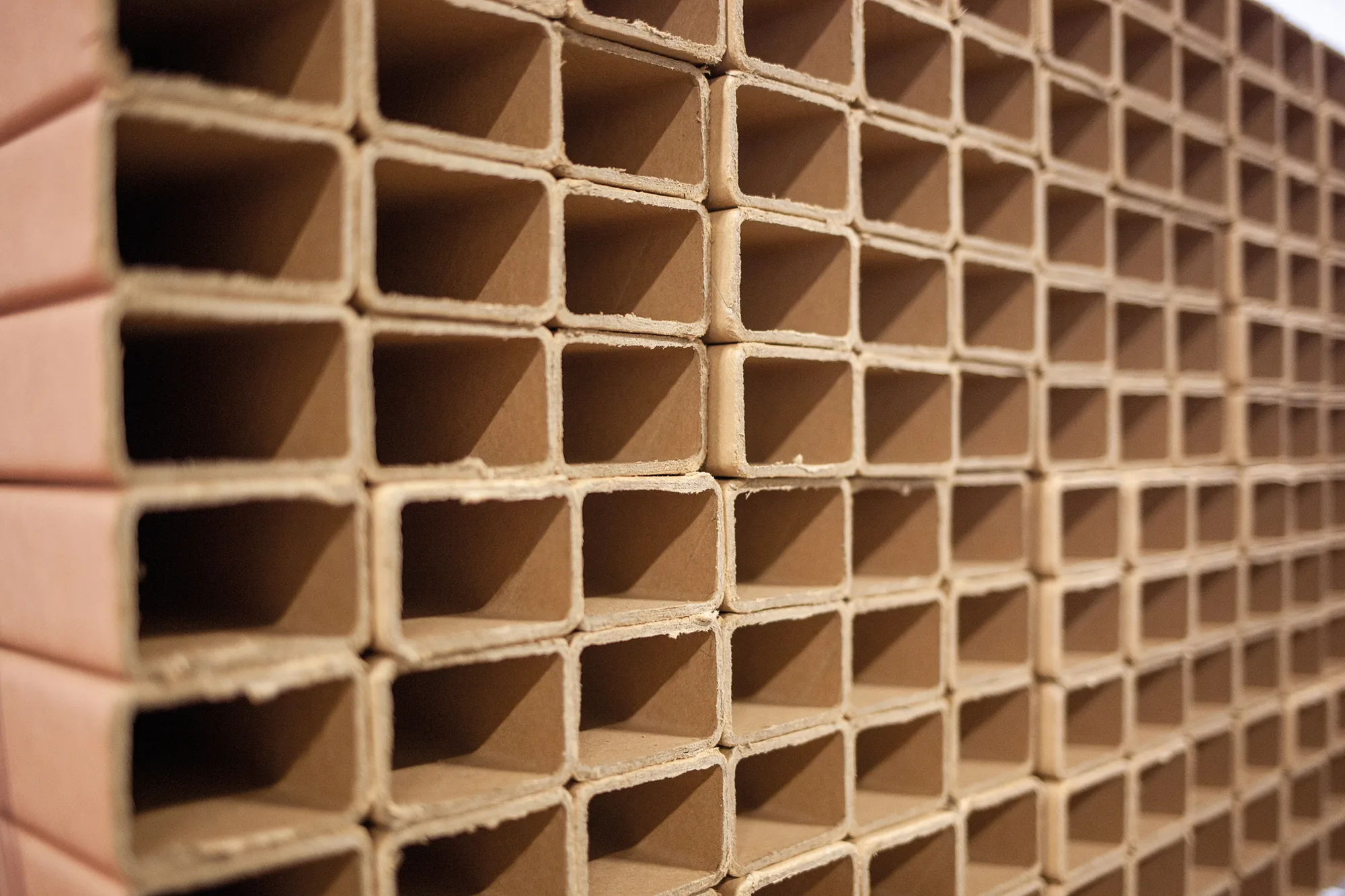
Recycled-paper studs in place of metal sections.
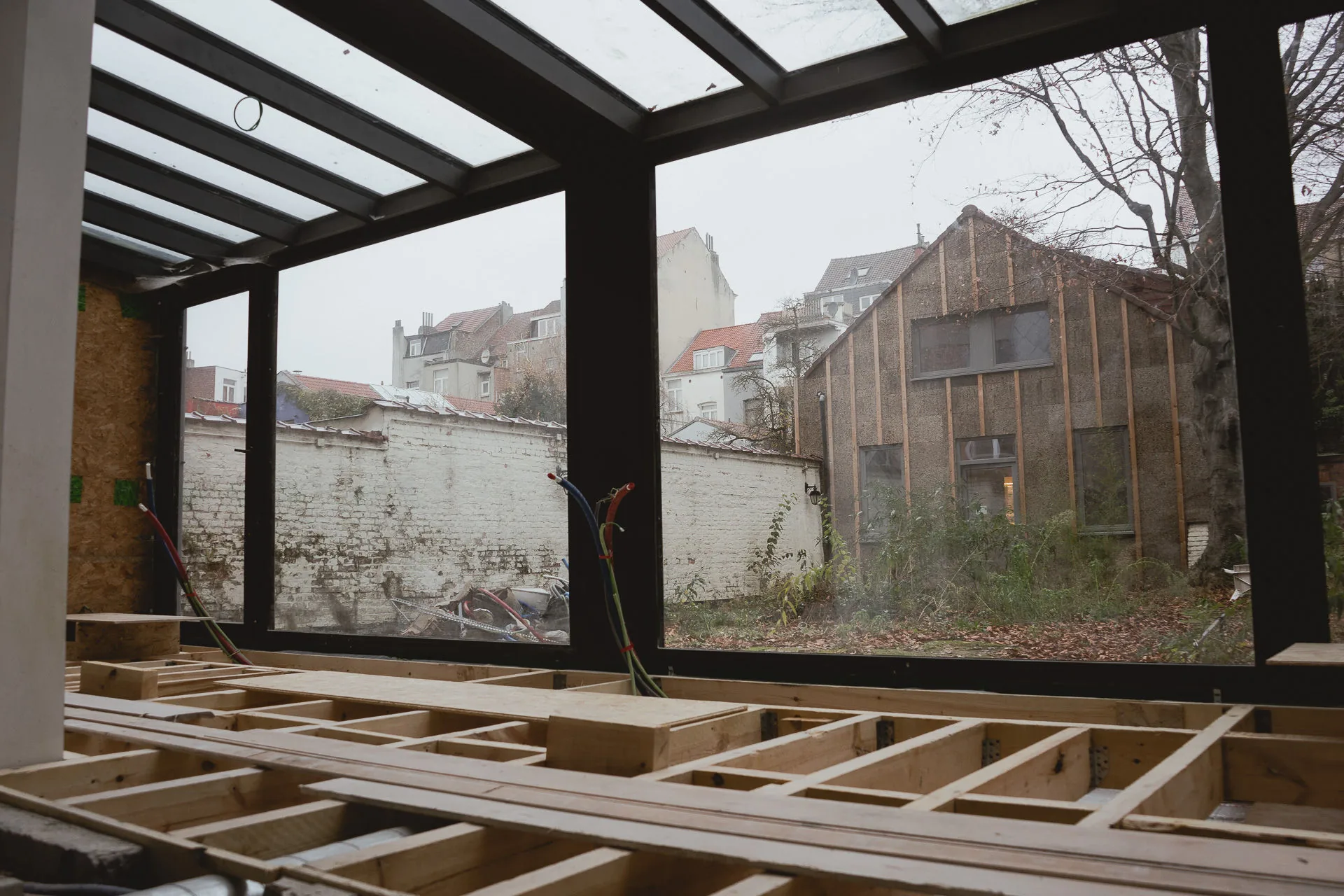
A project that takes the opposite approach to the accumulation of technical systems.
A prefabricated construction system in engineered timber.