
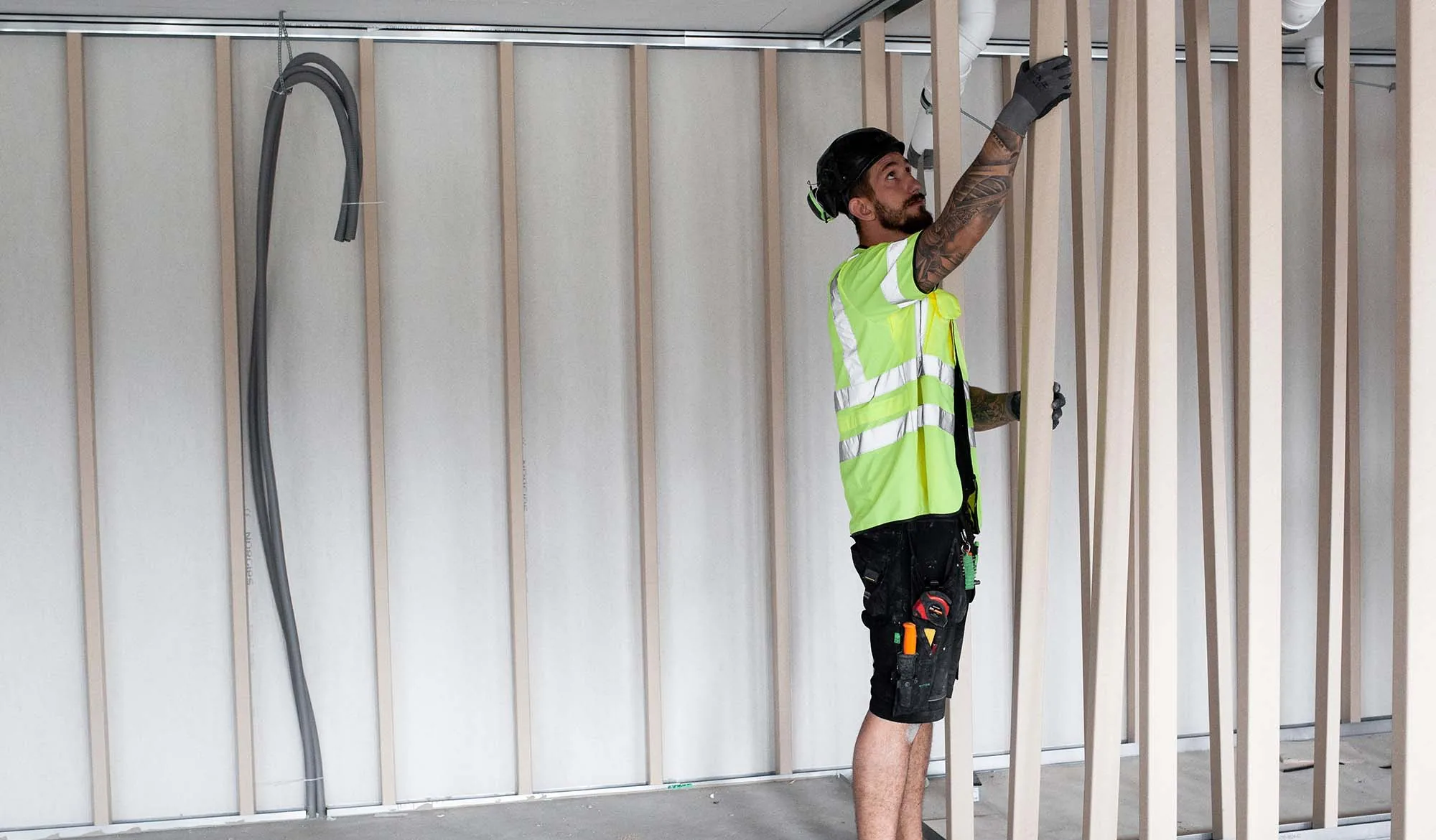
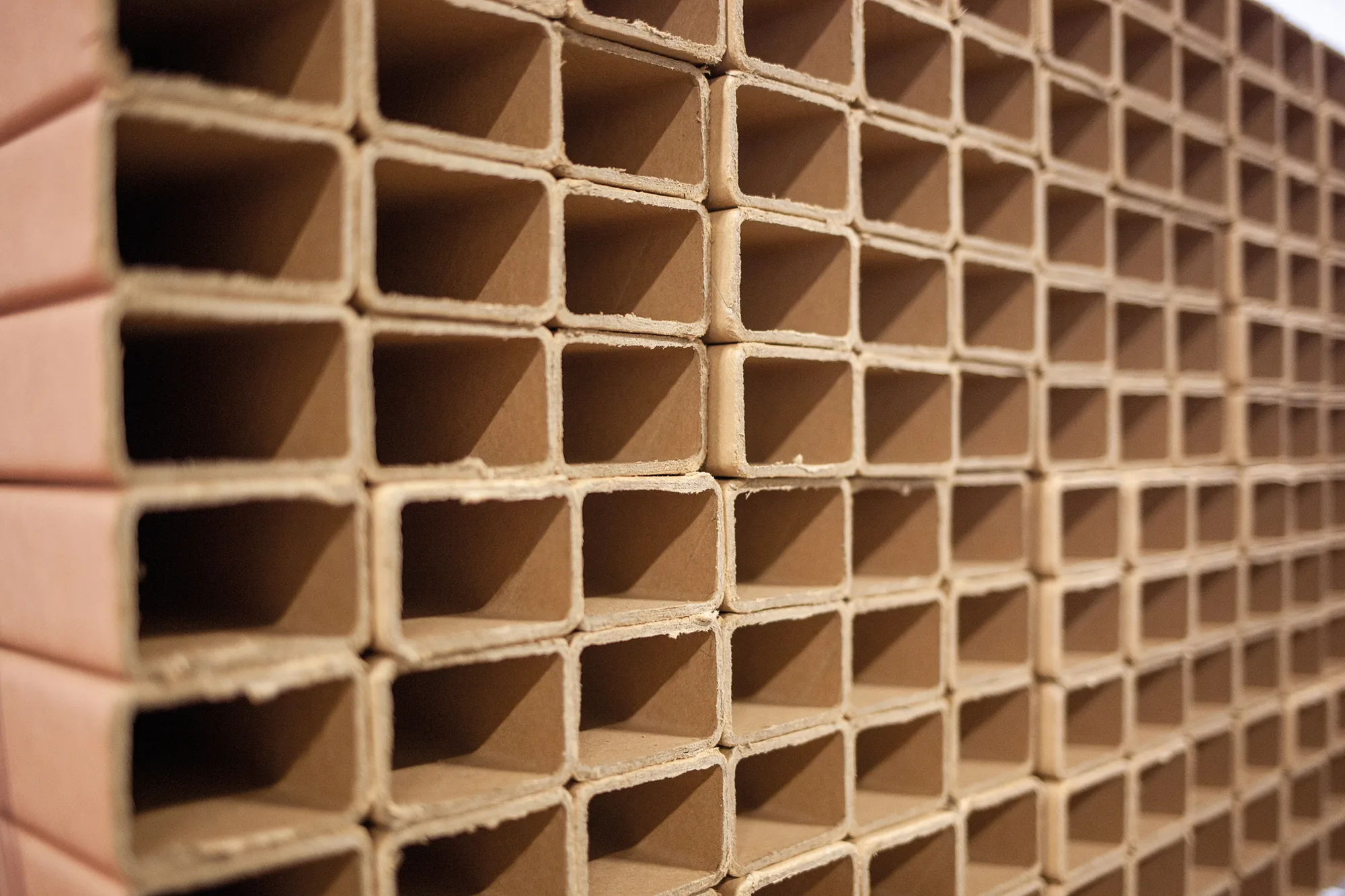
In sustainable construction, innovating often means questioning long-established norms. Wood Tube, a company based in Säffle, Sweden, does exactly that with its recycled paper studs. Replacing traditional metal studs, its product offers a lighter and greener alternative that is changing the way we design interior partitions.
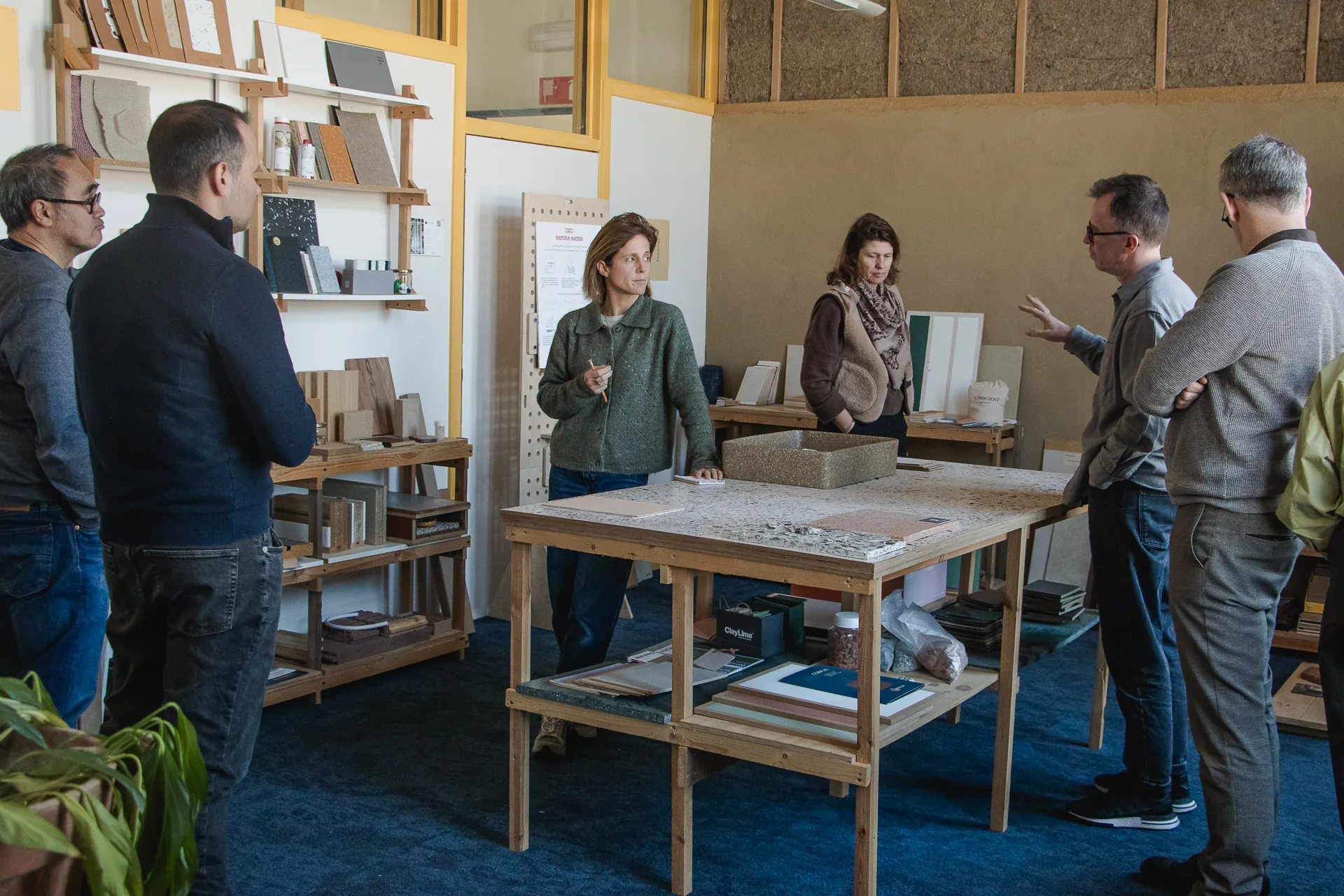
We enjoyed testing these studs at a participatory workshop at the Materatek. Everyone was impressed by how easy they are to use. Those who tried them left convinced: Wood Tube's recycled paper studs are not just a concept, they are a game changer.
Widely used as they are, metal studs nevertheless have significant environmental drawbacks:
In response, Wood Tube offers an alternative that replaces metal studs and relies on recycled paper to close the materials loop.
The process starts in the forest, with wood fibres from renewable sources. These fibres are turned into paper pulp, often from waste streams such as sawmill chips. The pulp becomes paper, which is then recycled and made into Wood Tube studs.
The key steps in the process:
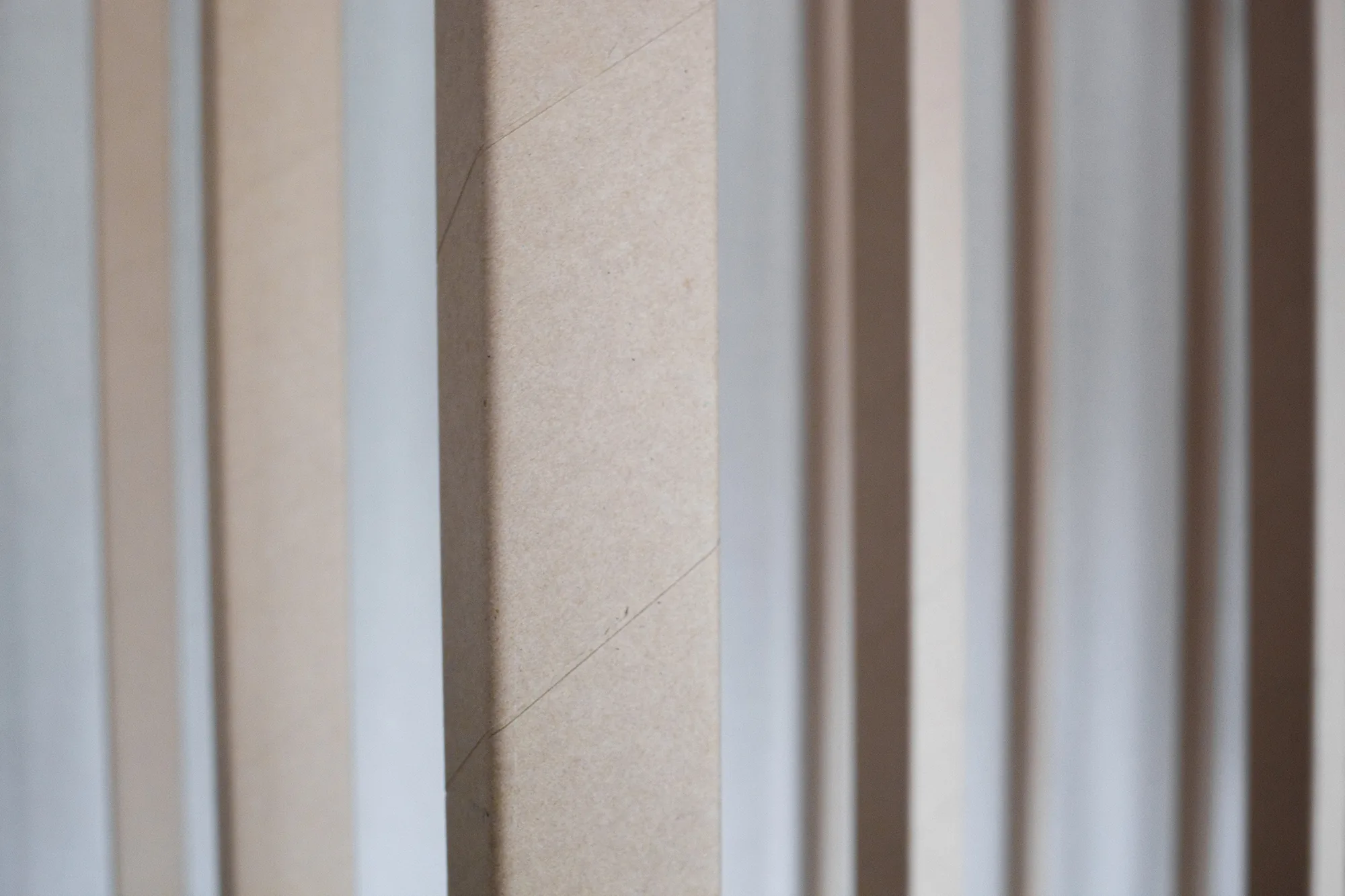
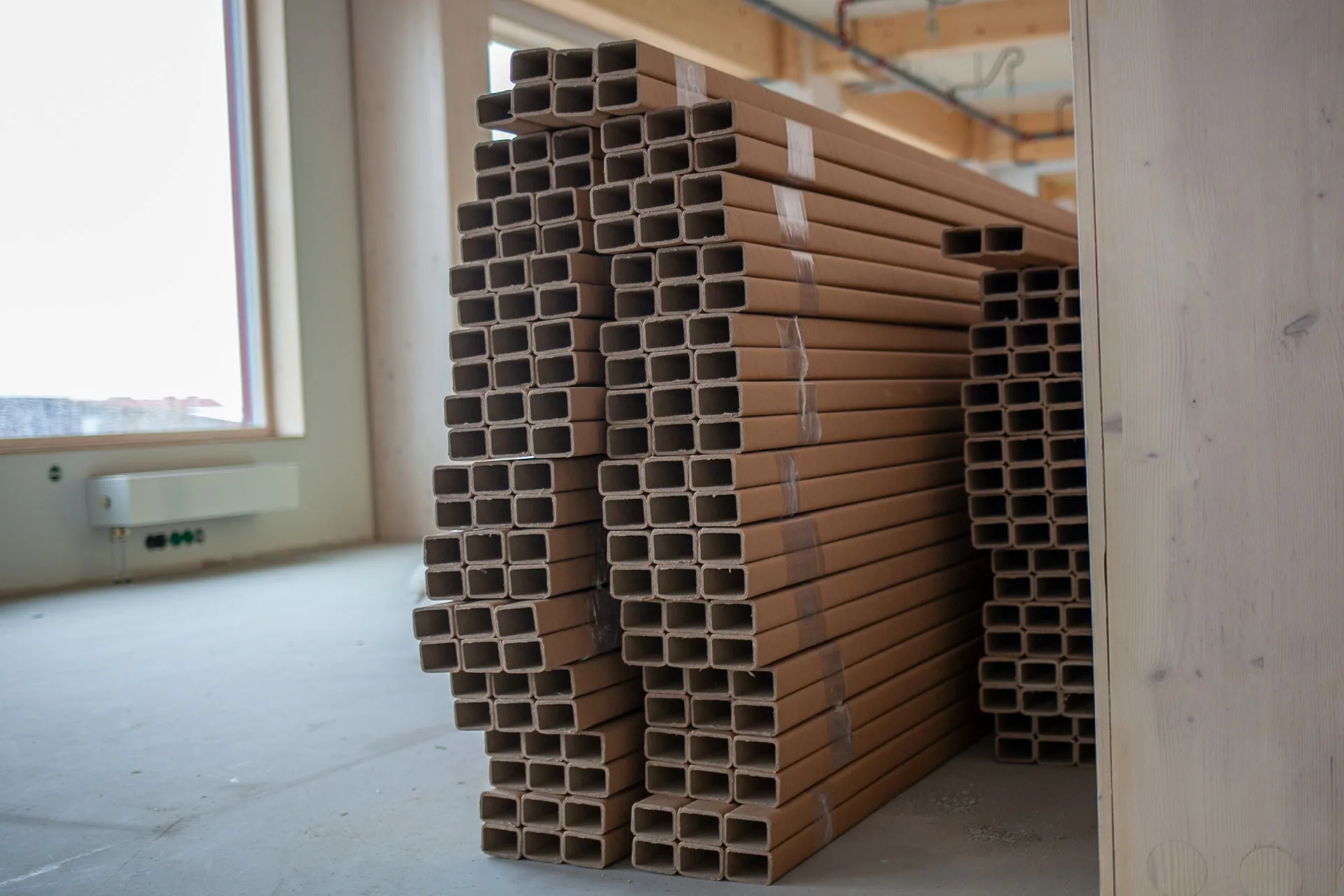
Wood Tube's Environmental Product Declaration (EPD) gives the following figures:
At end of life, Wood Tube studs can be recycled into new studs, which eliminates waste and ensures that no material is lost.
One of the most promising developments from Tobias and his team is their partnership with Recoma, another innovator in sustainable construction. Together they have created the GreenWall system, a lightweight yet durable partition that meets the highest acoustic performance requirements.
The GreenWall system is particularly suited to office-to-residential conversions, where lightweight, high-performing systems are essential. This collaboration shows the strength of a construction ecosystem, in which sustainable products combine to meet changing needs.
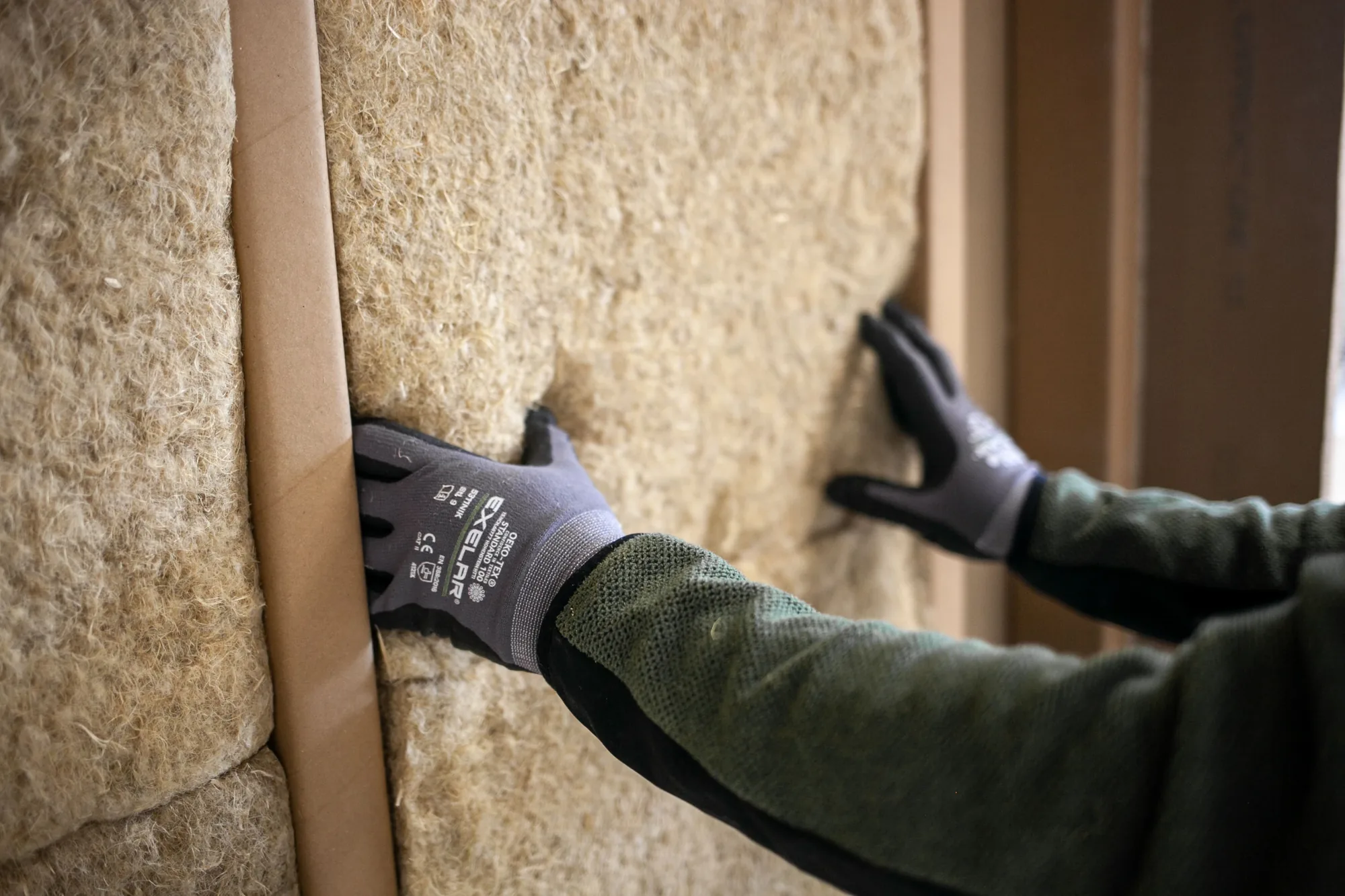
The Wood Tube stud is more than a technical innovation: it is a change of mindset. By rethinking something as basic as a partition stud, Wood Tube invites us to question the sustainability of every material choice in construction.
The strengths of Wood Tube studs:
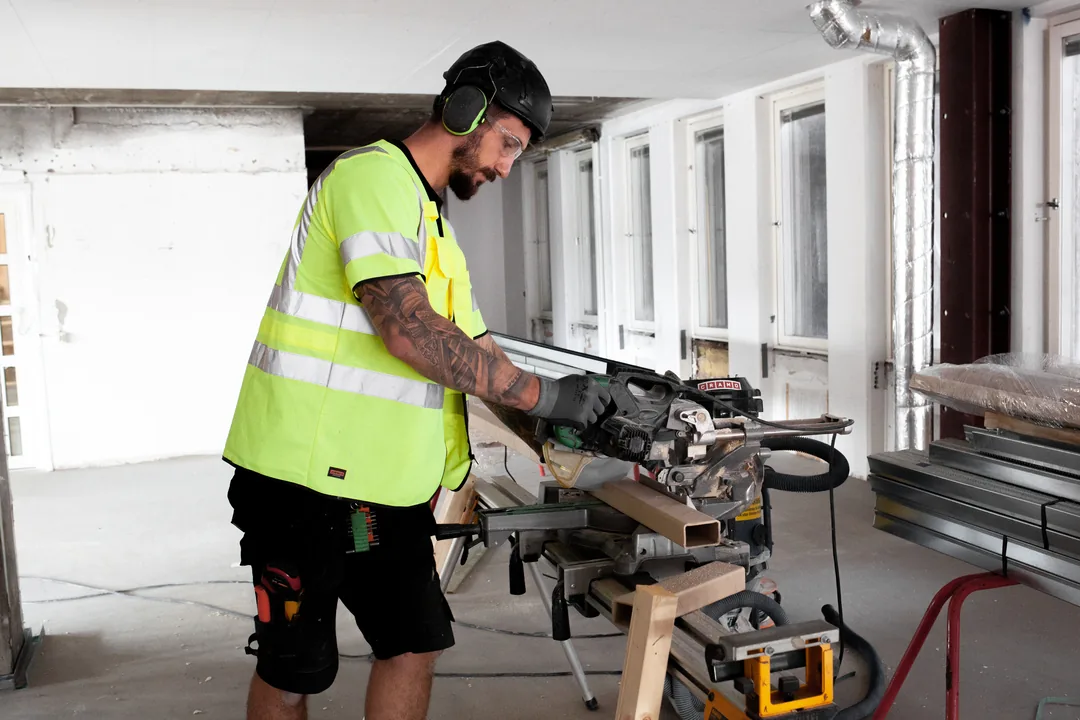
At the Materatek, we tested Wood Tube studs during a hands-on workshop. The feedback was unanimous: participants appreciated how easy they are to install and their unexpected strength. For many, the experience confirmed that Wood Tube's product is ready to shake up the habits of interior fit-out.
As urbanisation and sustainability concerns converge, demand for lightweight, environmentally friendly construction systems can only grow. Born from the collaboration between Wood Tube and Recoma, GreenWall is set to become a benchmark for change-of-use projects and sustainable renovations.
These innovations could define the next generation of construction standards for cities that favour low-impact construction. In 2025, we expect systems like these to be at the heart of the drive towards circular, carbon-neutral buildings.
Wood Tube's recycled paper studs show what becomes possible when innovation, sustainability and collaboration come together. By turning waste into resources, they reduce the environmental footprint of construction and challenge received ideas about what a building material can be.
If you are preparing your next project, think about the impact of every element, even one as simple as a stud. With products like Wood Tube, we can build partitions that are lighter on the planet, without giving up the requirements of contemporary construction.
Update of 5 November 2026: the original version stated that a metre of stud stored 0.9 kg CO₂ eq. The EPD published in 2025 gives −0.1 kg CO₂ eq. per linear metre over the full life cycle; that is the figure given above. The mention of a fire resistance for the GreenWall system has been removed: this performance belongs to the tested partition build-up, not to the stud alone.
Three pieces from the Magazine, on the interior wall.
From an overview of low-impact materials to the regulatory framework.
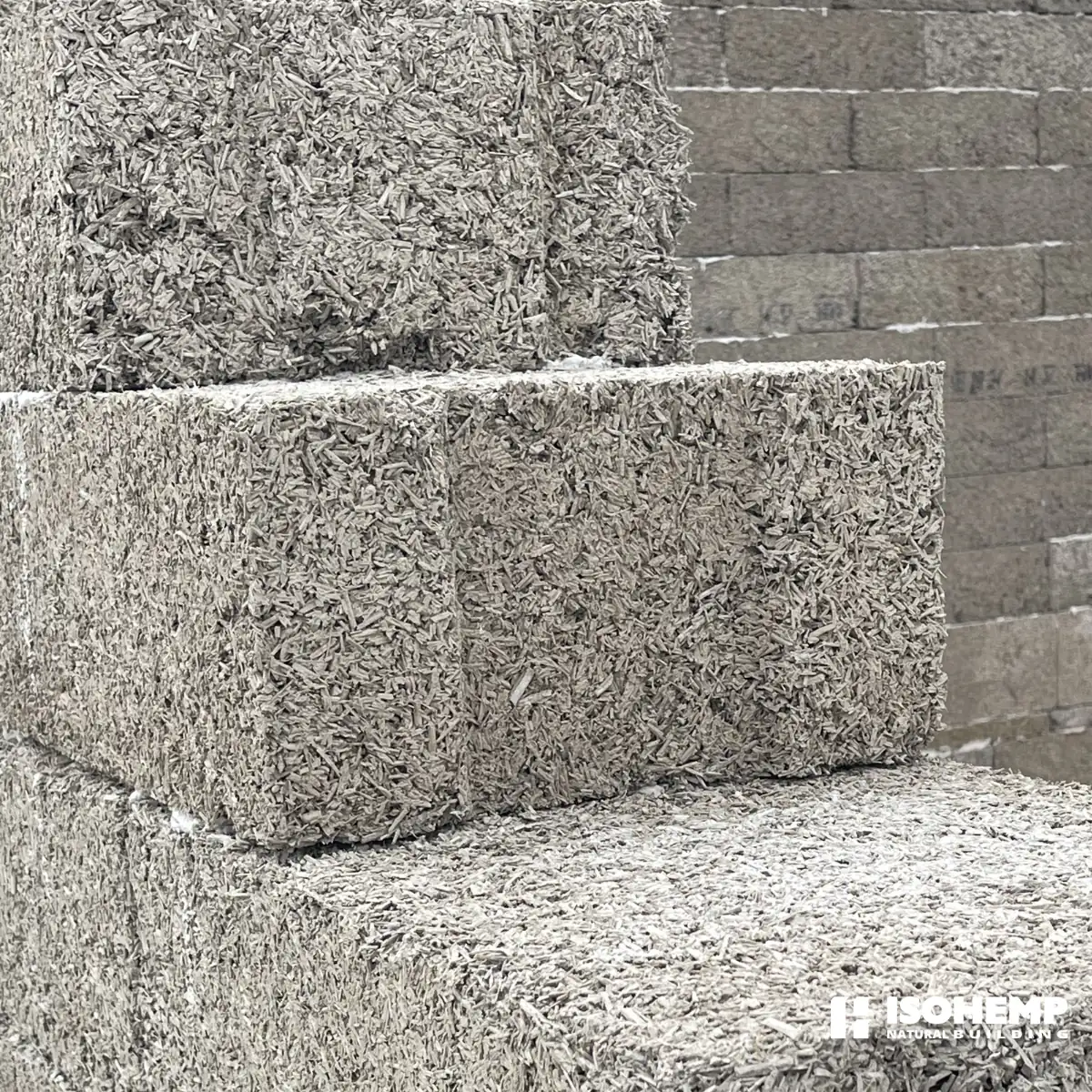
Two Belgian producers, two approaches: the block and loose-fill.
Steel, bricks and glazing removed on site go back into the renovated project.