
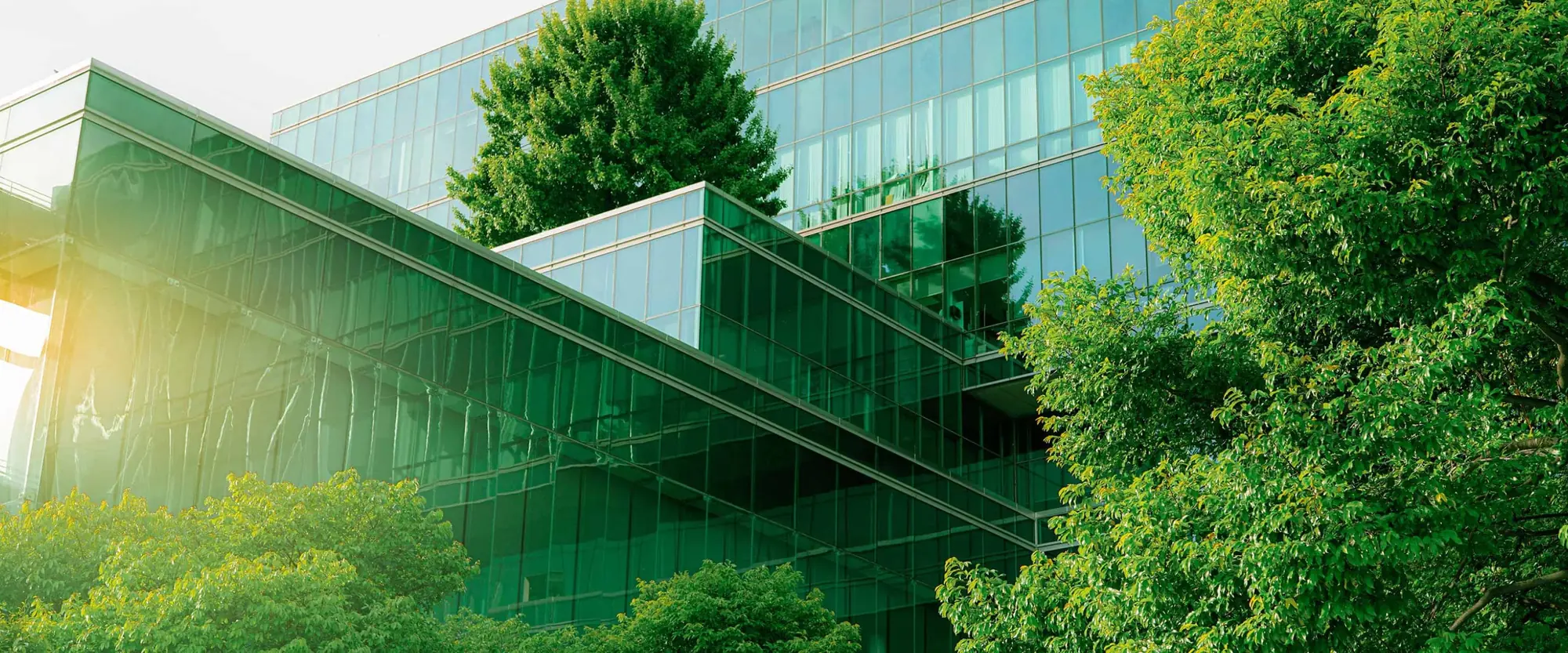
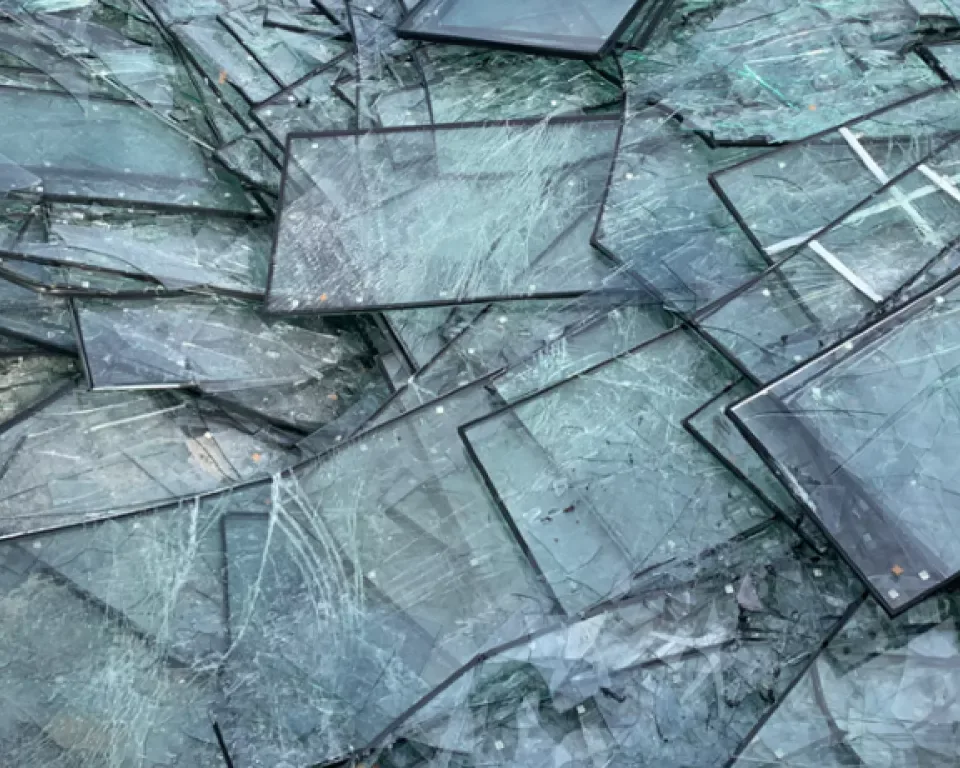
As sustainability becomes central to construction, AGC Glass Europe is exploring practical ways of incorporating post-consumer recycled glass into its float glass production. Through its Recycle Glass initiative, AGC collects glass from renovation and demolition sites and feeds it back into production at its plant in Moustier, Belgium, the largest float glass plant in Europe. The initiative is being applied on the OXY project by Whitewood and Immobel, a large-scale test that Mathijs and his team are leading to assess the role of recycled glass in major construction projects.
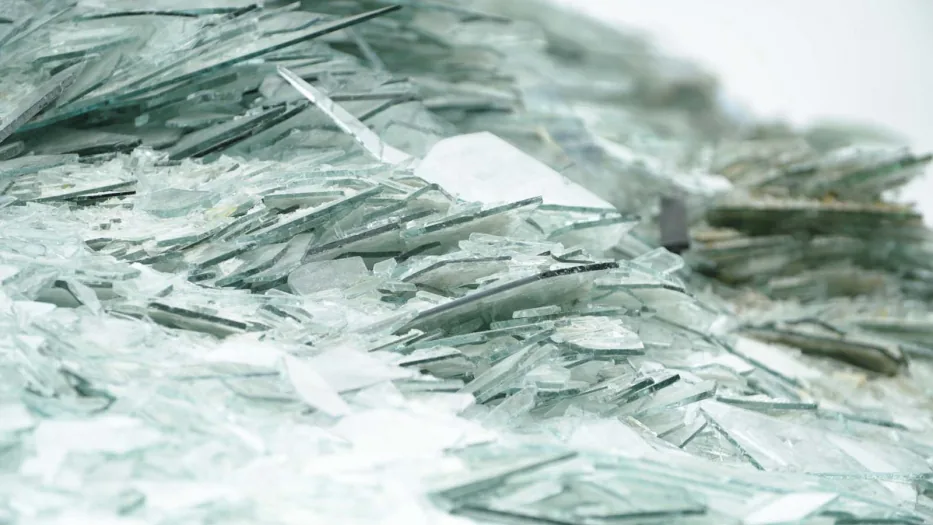
AGC's Low-Carbon Glass contains more than 60% recycled glass, or cullet, which takes less energy to melt than the raw materials and so helps to reduce greenhouse gas emissions. Produced in high-efficiency furnaces partly powered by renewable energy, it reaches a global warming potential of 4.8 kg CO₂ eq./m² for 4 mm glass, considerably less than standard float glass.
AGC has published an environmental product declaration (EPD) for Low-Carbon Glass in the INIES database, which allows professionals to assess the material's impact over its life cycle. These data give a concrete basis for informed choices in sustainable construction.
The Recycle Glass service approaches circularity simply: it sources good-quality cullet from demolition and renovation partners across the Benelux. By recycling end-of-life glass into new float glass, AGC reduces its reliance on virgin raw materials and the CO₂ emissions that go with them. The service, led by Romain Lavarra, simplifies the logistics of glass recycling for companies and ensures that the recovered glass meets AGC's requirements for reintegration into production.
For demolition and renovation projects in the Benelux, Romain Lavarra is AGC's point of contact: he helps teams set up glass recycling on their sites. By offering ways to collect and process the glass, AGC helps companies meet their sustainability targets.
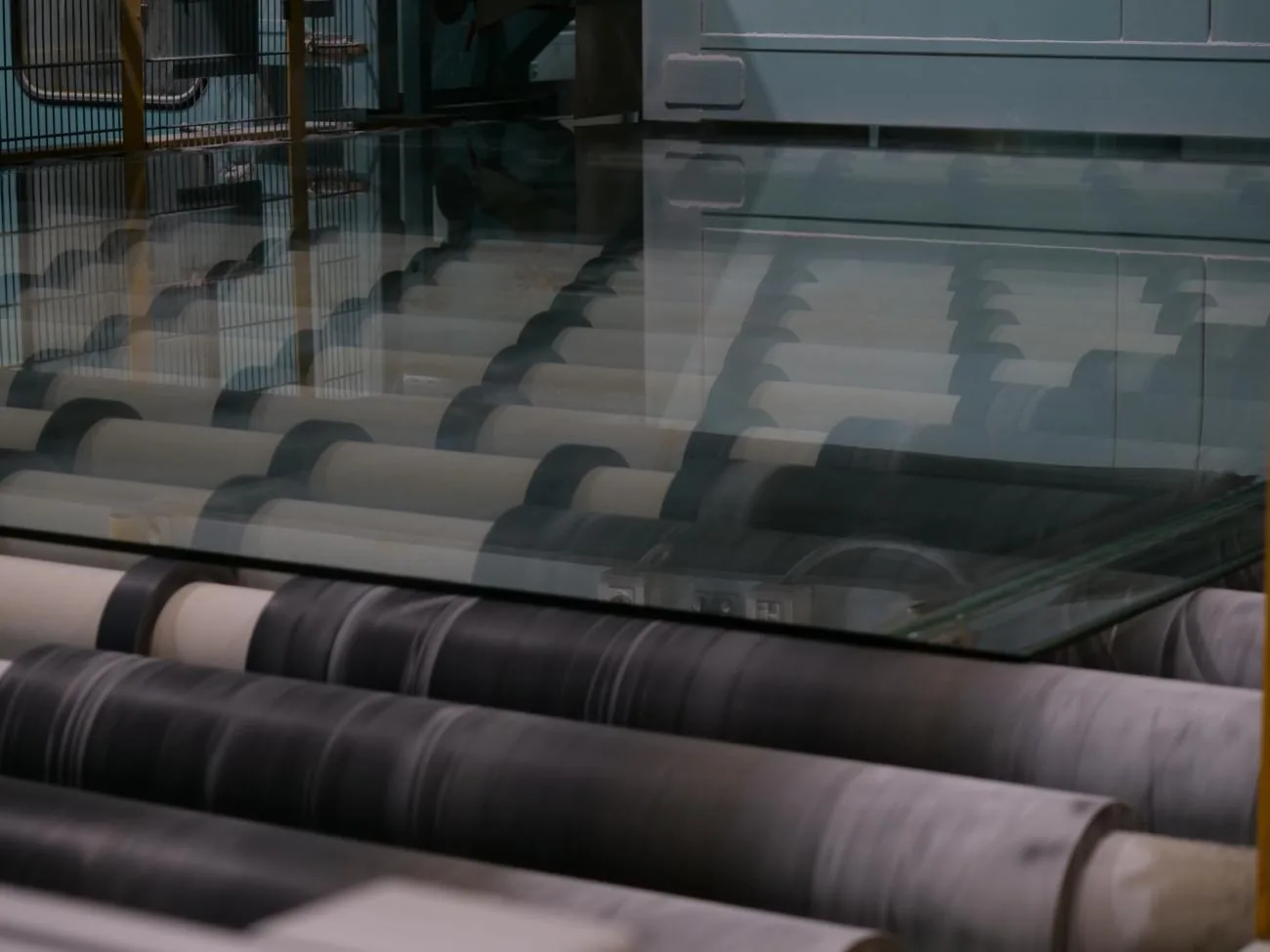
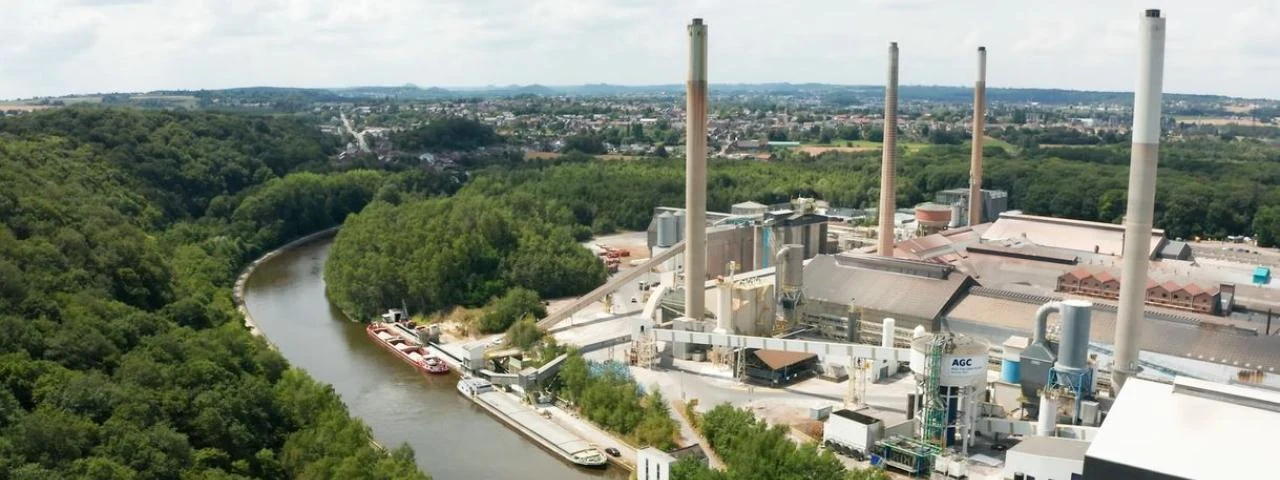
With Low-Carbon Glass and Recycle Glass, AGC is laying the foundations of sustainable practice in glass manufacturing. The OXY project serves as a full-scale trial to measure how recycled glass scales up, and gives the sector lessons on bringing low-carbon materials into large projects without compromising on quality or performance.
Update of 5 November 2026: text revised from the original version, published in English. The figures are those of the current EPD, as given on the material page: more than 60% cullet and 4.8 kg CO₂ eq./m² at 4 mm. The original version (December 2024) gave more than 50% and 5.5 kg.
Three pieces from the Magazine, on materials that come back.
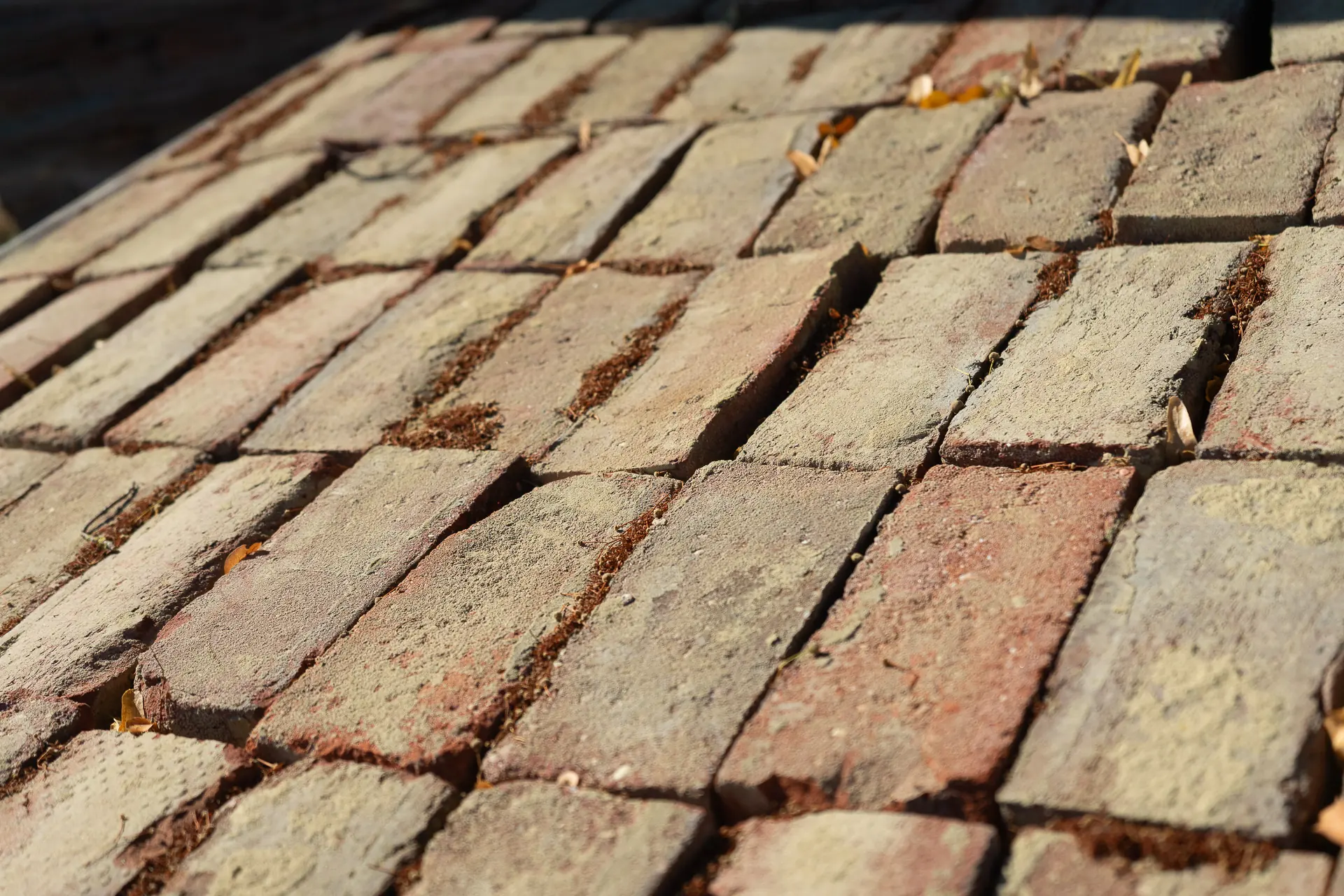
Steel, bricks and glazing removed on site go back into the renovated project.
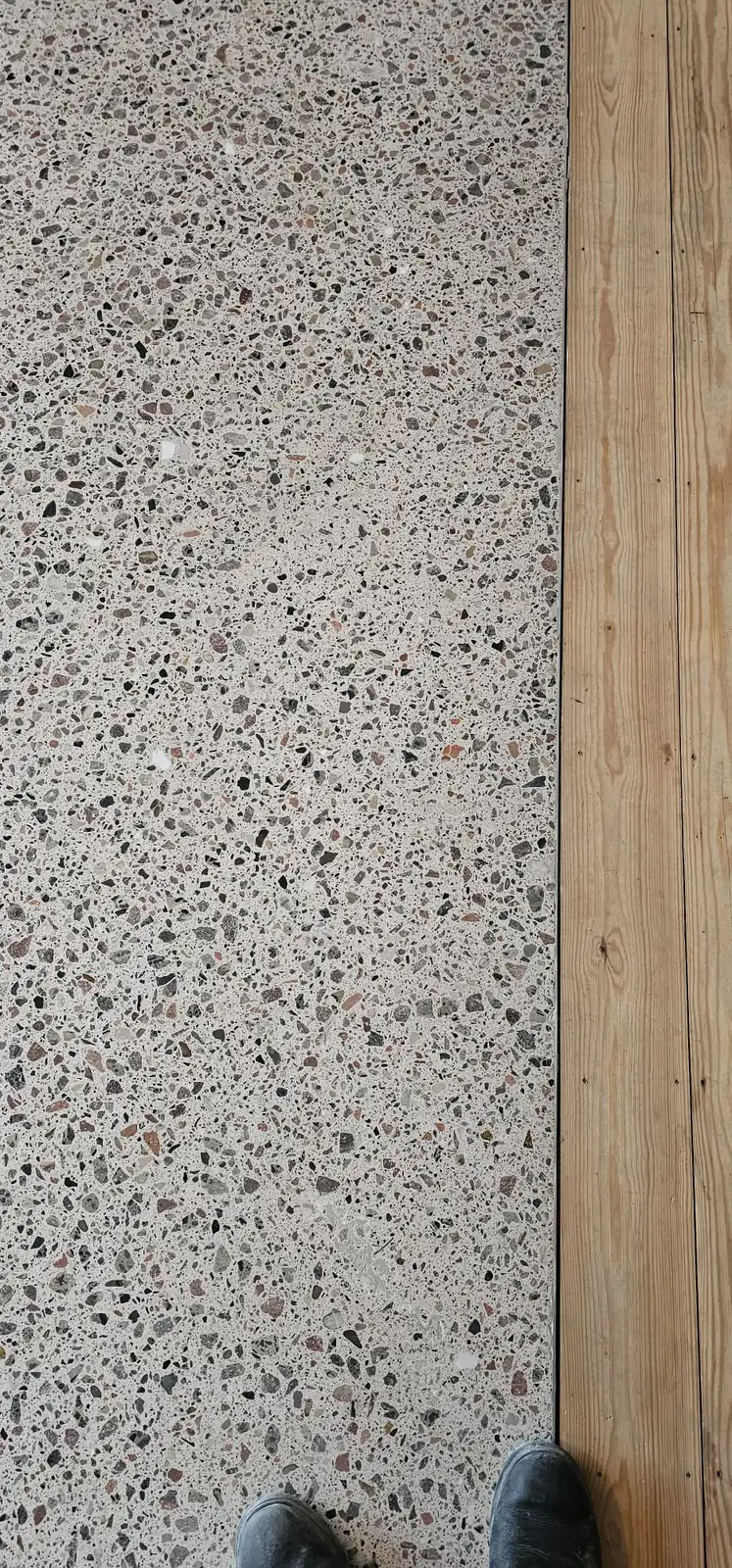
Granite, glass and concrete from the site, crushed into terrazzo.
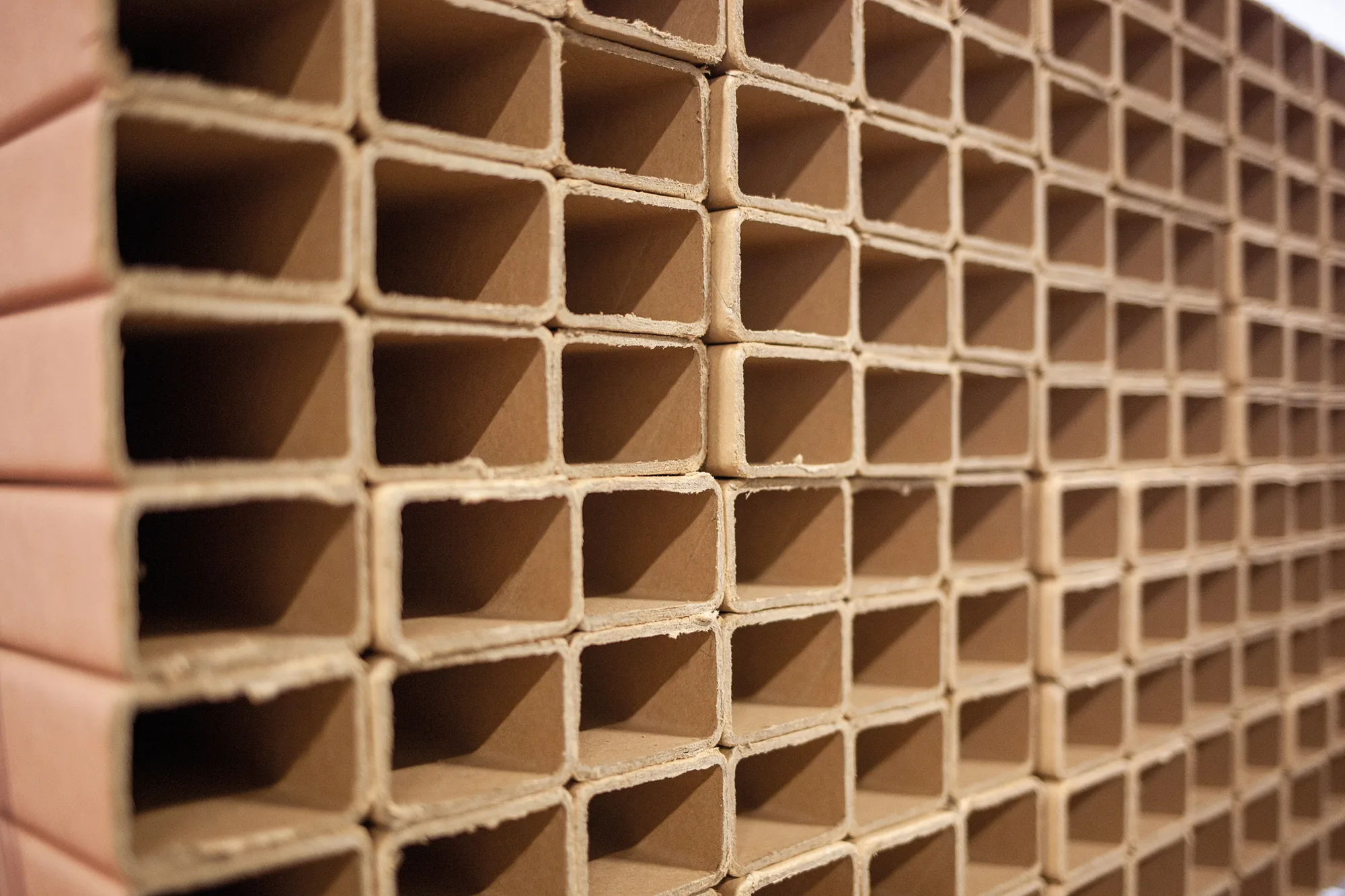
Recycled paper studs in place of metal sections.