
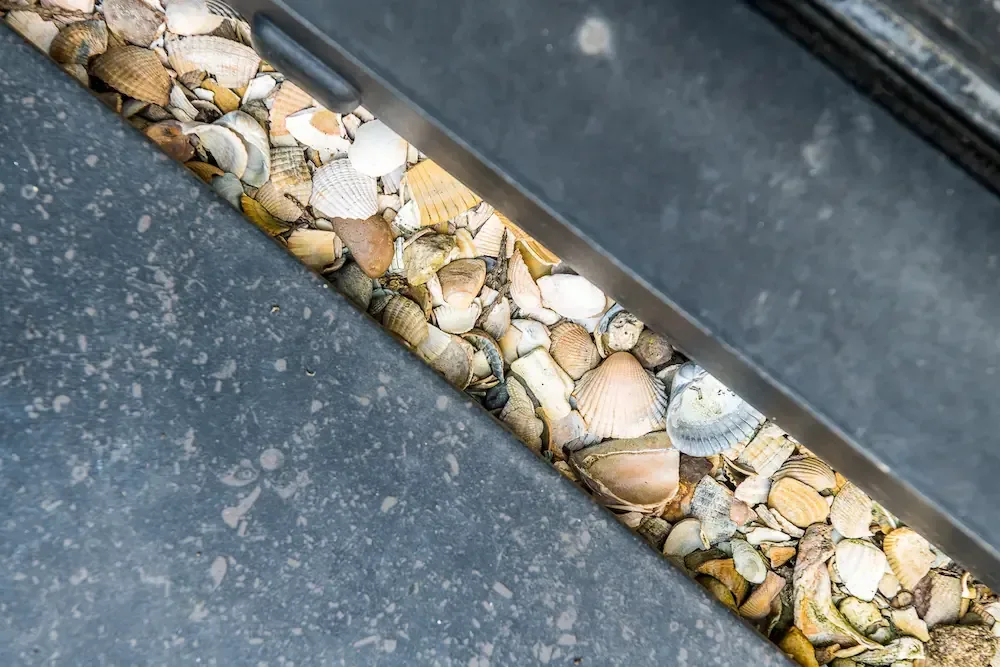
As construction increasingly looks for sustainable alternatives, EcoSchelp offers a natural option: seashell insulation, a reliable and ecological choice for foundations and crawl spaces. Common on the North Sea coast, this technique manages water effectively, a key issue for resilient and adaptable design in flood-prone areas.
The seashells EcoSchelp uses are a by-product of the regular dredging of the North Sea: an existing resource is put to use rather than discarded. Once collected, the shells are carefully cleaned to become a stable, low-impact insulation material. This approach reduces waste and offers a highly effective alternative to synthetic options such as PUR and EPS.
Founded by Teun, a committed entrepreneur and a pioneer of sustainability, EcoSchelp is changing the landscape of building materials with natural, innovative options. His commitment has popularised the use of seashells as a sustainable building material and demonstrated their effectiveness and adaptability in a variety of contexts. “Our aim is to offer simple, sustainable options that serve both the builder and the environment,” Teun explains.
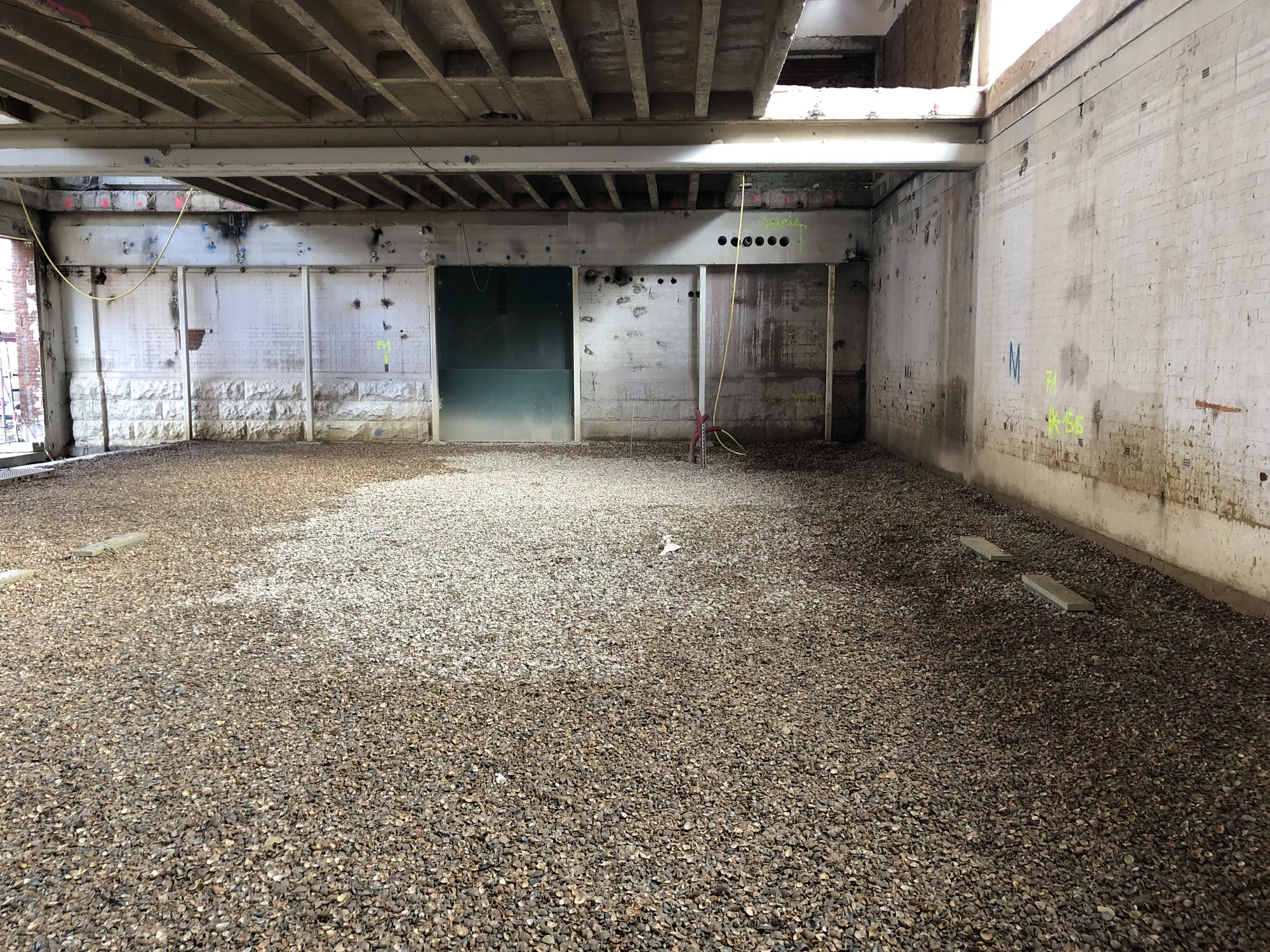
EcoSchelp recently supplied 300 m³ of seashell insulation to the ULB for the Usquare site. Beyond the test phase, the product is establishing itself as a new reference for insulation and drainage beneath floor slabs. The project shows that seashells are not only practical but also suited to large areas, with the required performance in insulation and natural drainage.
The design by BC Architects, a team known for pushing the limits of sustainable materials, incorporates seashell insulation as an effective and ecological alternative. Through this collaboration, Usquare is becoming a model for the adoption of circular materials, in which local, renewable resources such as seashells can influence future building standards.
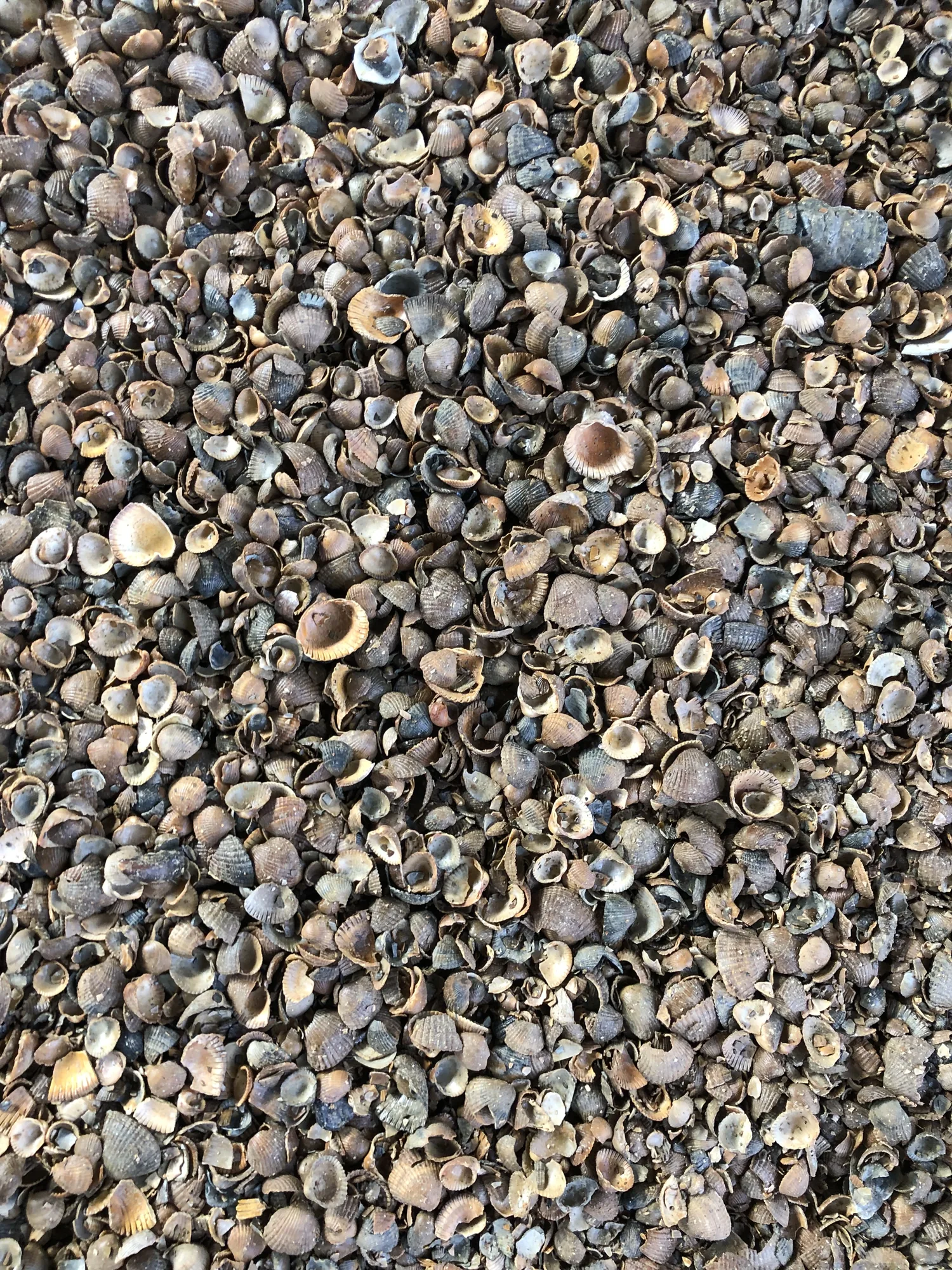
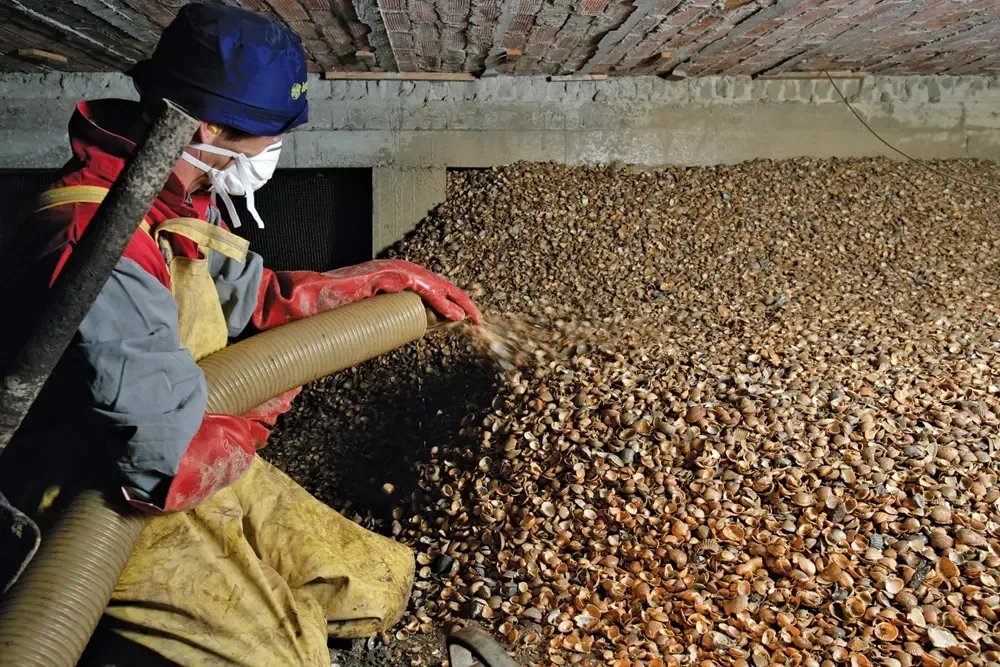
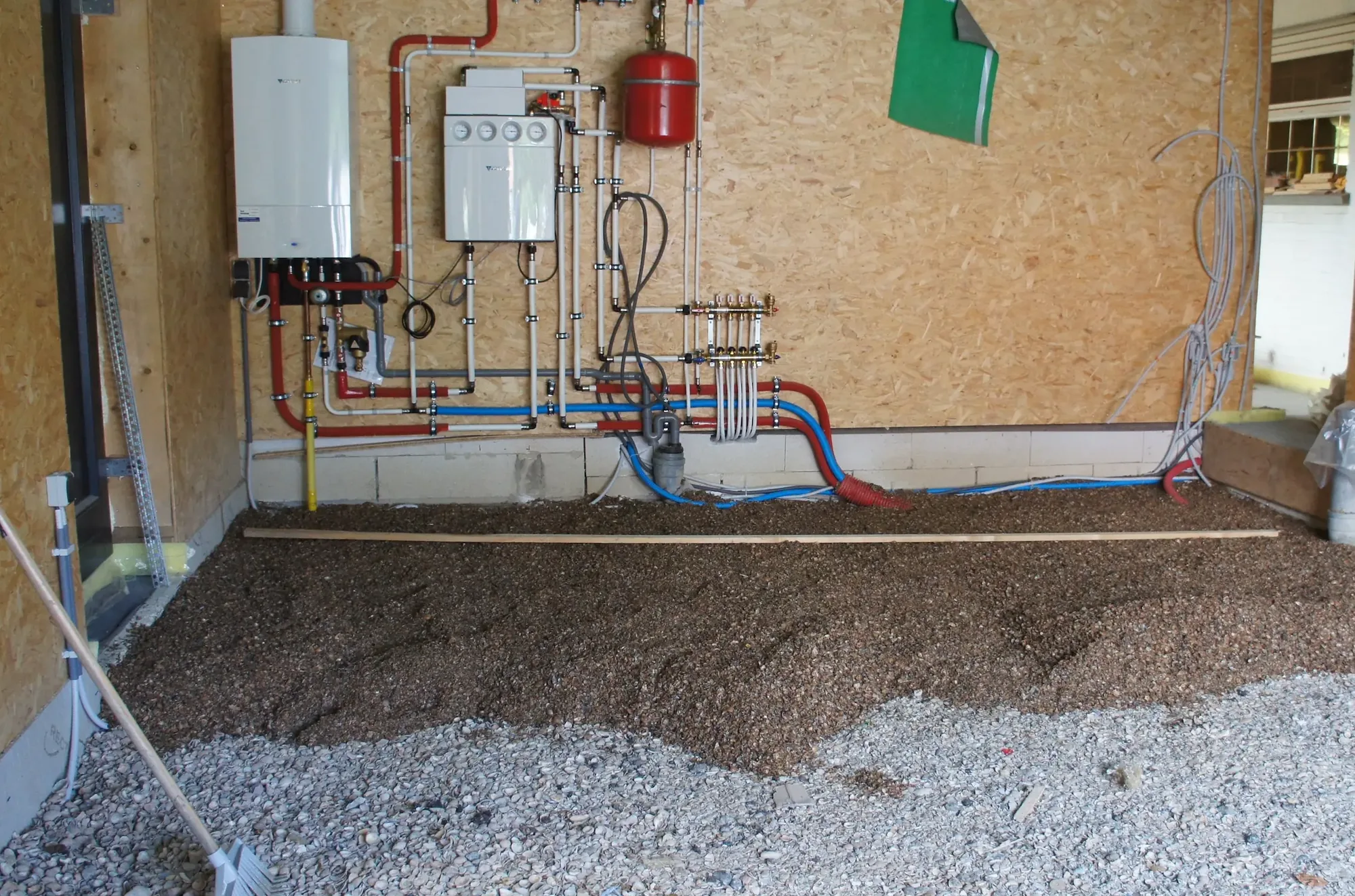
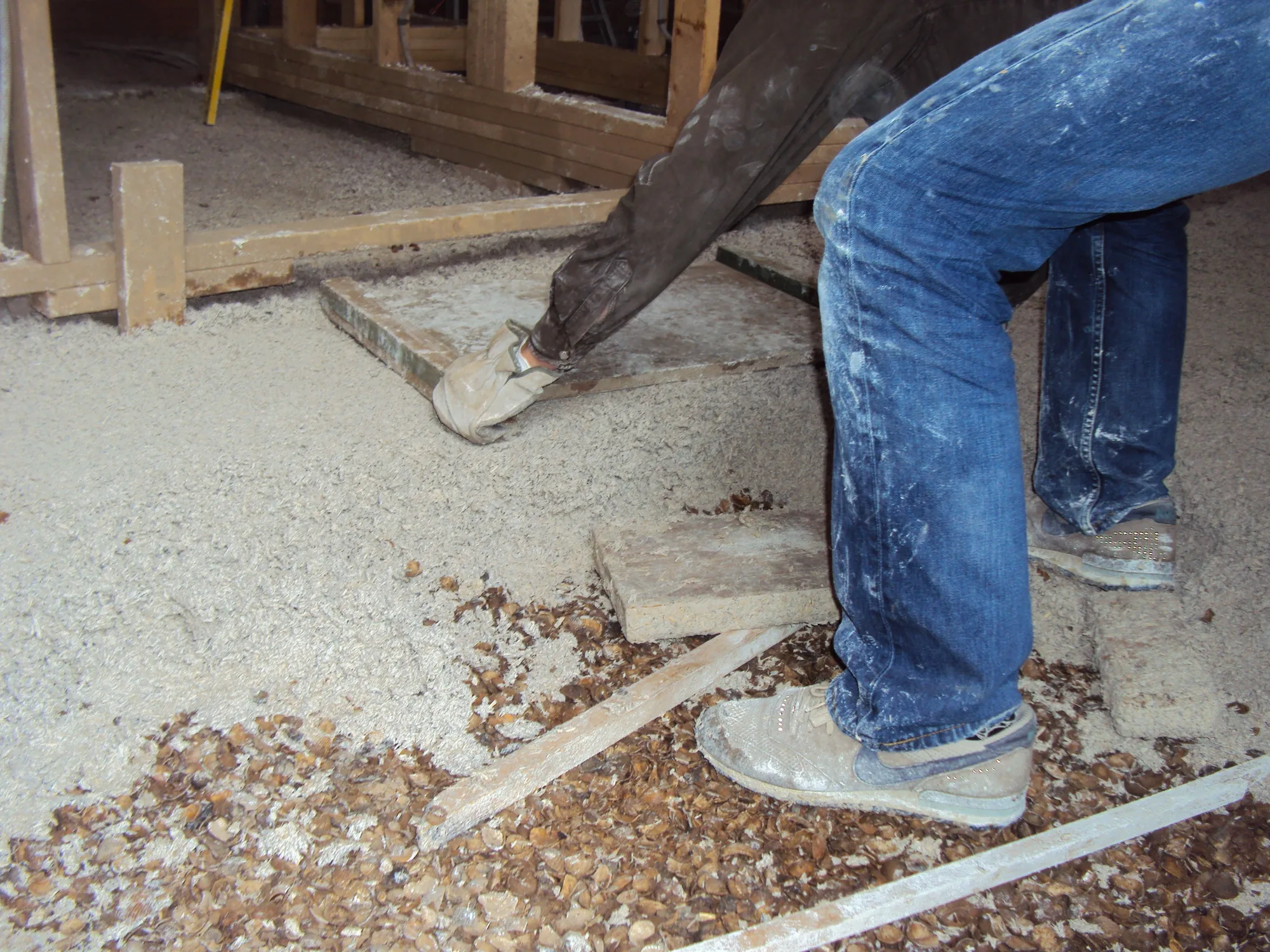
EcoSchelp's seashell insulation can be blown directly into place, which makes it effective in hard-to-reach crawl spaces or beneath floors. The technique ensures quick, even distribution, ideal for the compact crawl spaces common in Belgium. As well as being easy to install, the shells offer stability and a bearing capacity suited to heavily used surfaces:
Seashell insulation is cost-effective thanks to the low cost of the raw material and the efficiency of installation. Because the shells are sourced locally, transport emissions and costs are reduced, and installation is quick and light on labour.
EcoSchelp shows how an abundant natural resource can be reinvented for sustainable construction, thanks to Teun's leadership and spirit of innovation. The technique combines simplicity, effectiveness and respect for the environment, serving a circular approach to today's building needs.
Update of 5 November 2026: the French text was translated from the original version, published in English. The densities and permissible loads are those provided by EcoSchelp in 2024.
Three pieces from the Magazine, around floors and local materials.
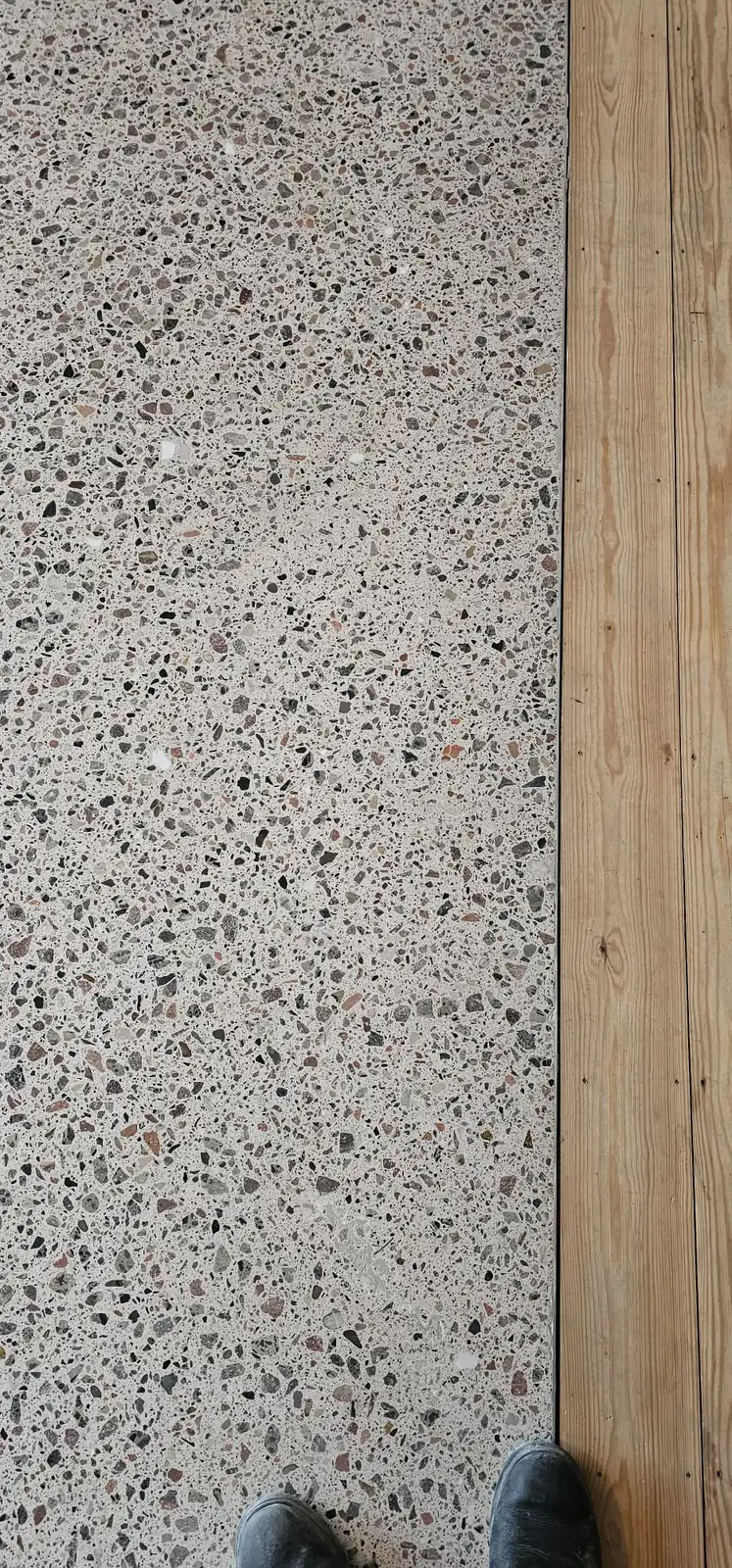
Granite, glass and concrete from the site, crushed into terrazzo.
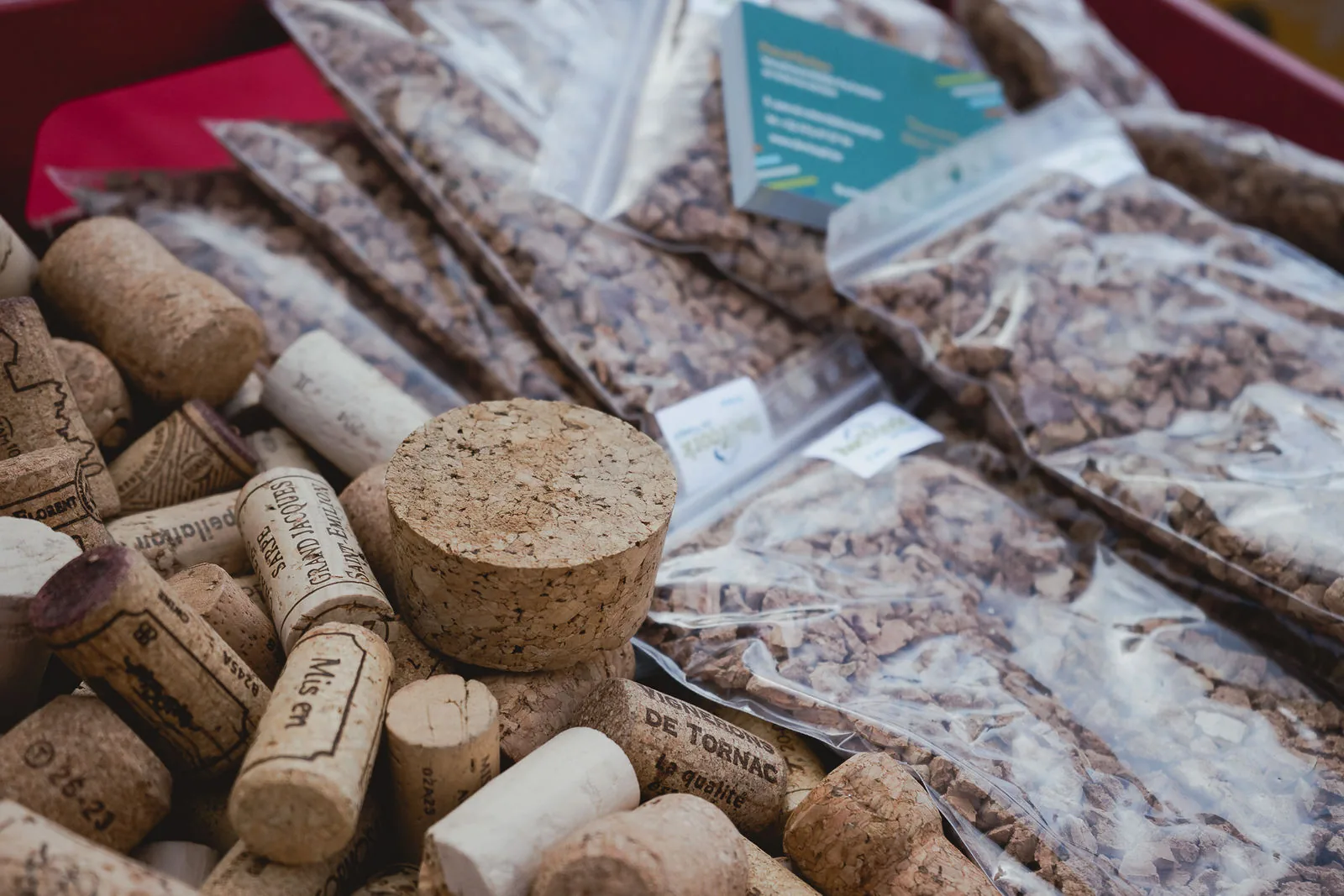
Recycled stopper granules, laid loose with no supporting structure, under Buildwise monitoring.
Lambda, phase shift and density: the three criteria for insulation that protects against heat.