Recycled
PVC frames
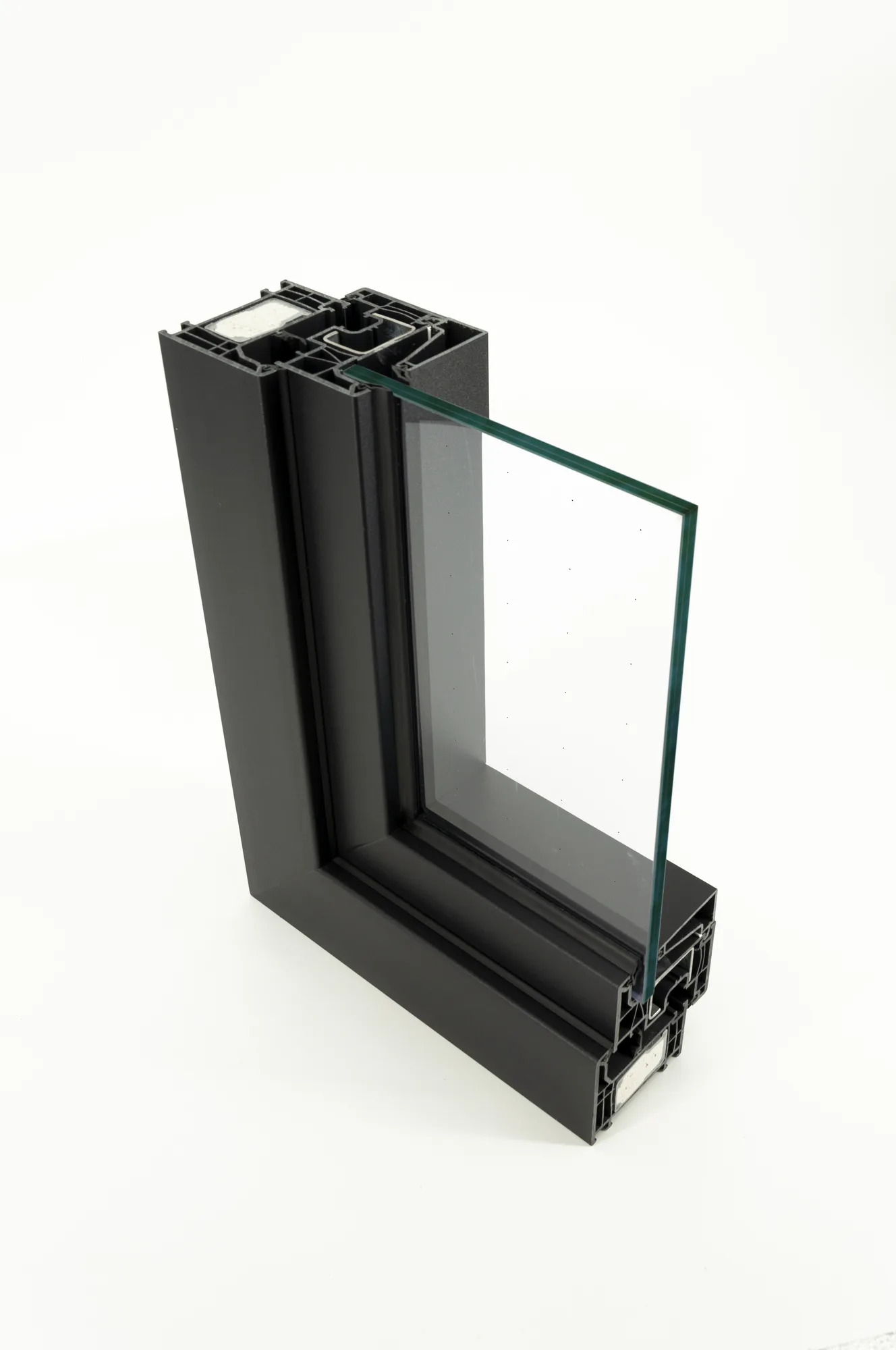
Window and door profiles in 100% recycled PVC, made from both production offcuts and old windows recycled by Deceuninck in Diksmuide. They serve the same purposes as a conventional PVC frame, in white or foiled in 50 colours.
What are recycled PVC frames?
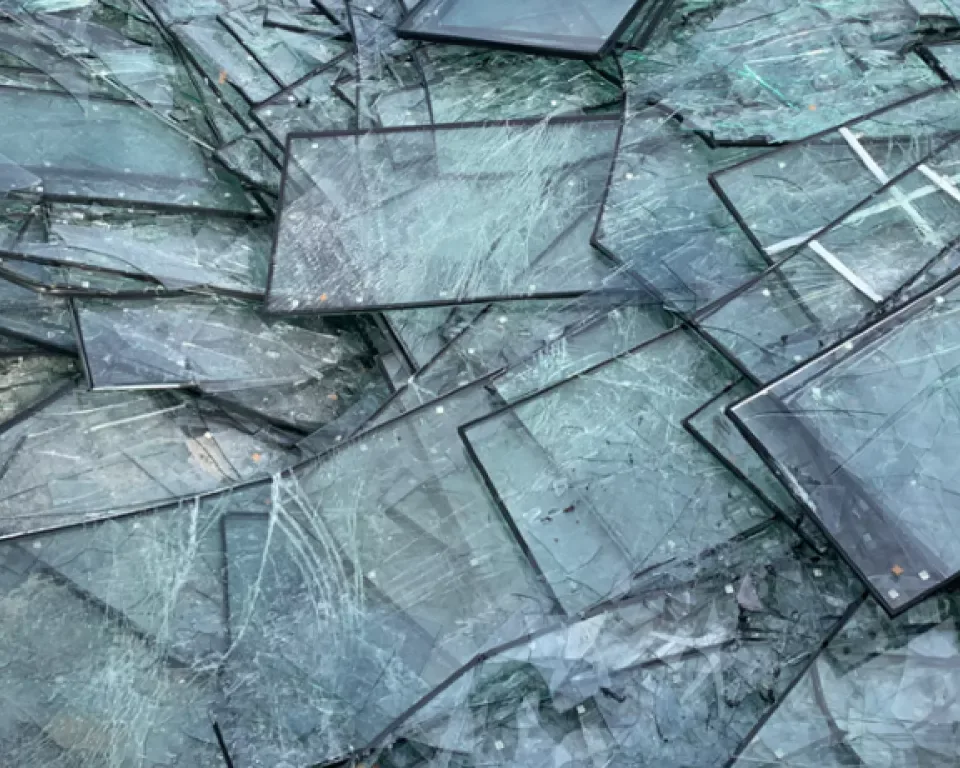
Deceuninck's Phoenix profiles are window and door profiles made entirely of recycled PVC. The material comes both from production offcuts and from old windows and doors at end of life, collected through Deceuninck's take-back programmes in Europe. The outer frame is reinforced with a Forthex profile, the sash with steel reinforcement.
This recycled PVC retains the qualities of PVC: rigidity, strength and thermal insulation, with a frame/sash Uf from 1.1 W/(m²·K). Recycling PVC takes around 90% less energy than producing virgin material, and the material can be recycled up to ten times without losing its mechanical properties.
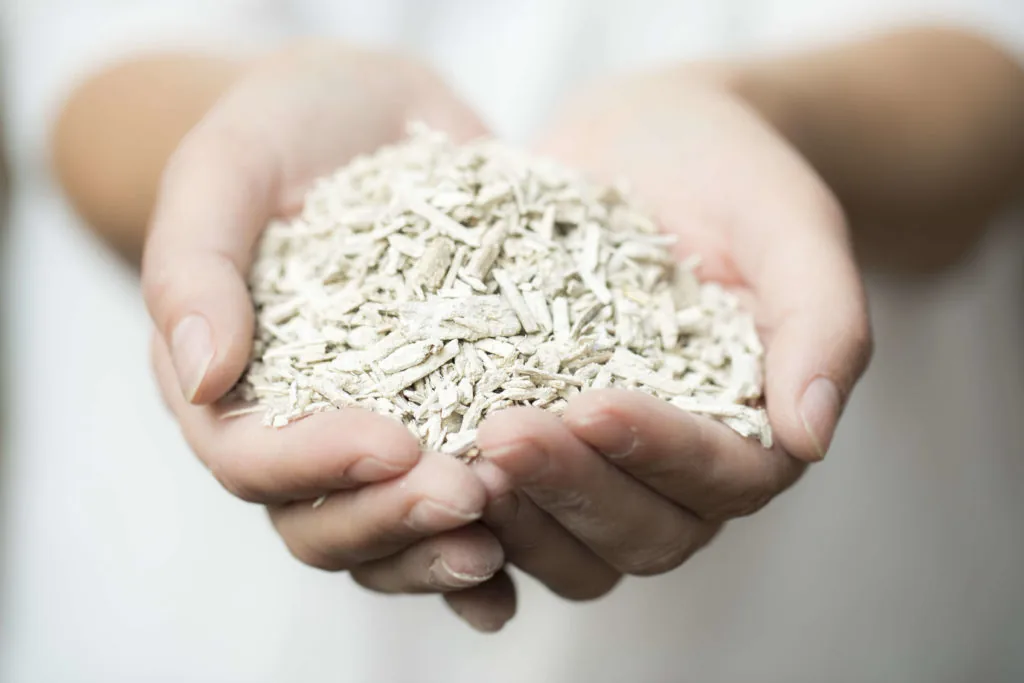
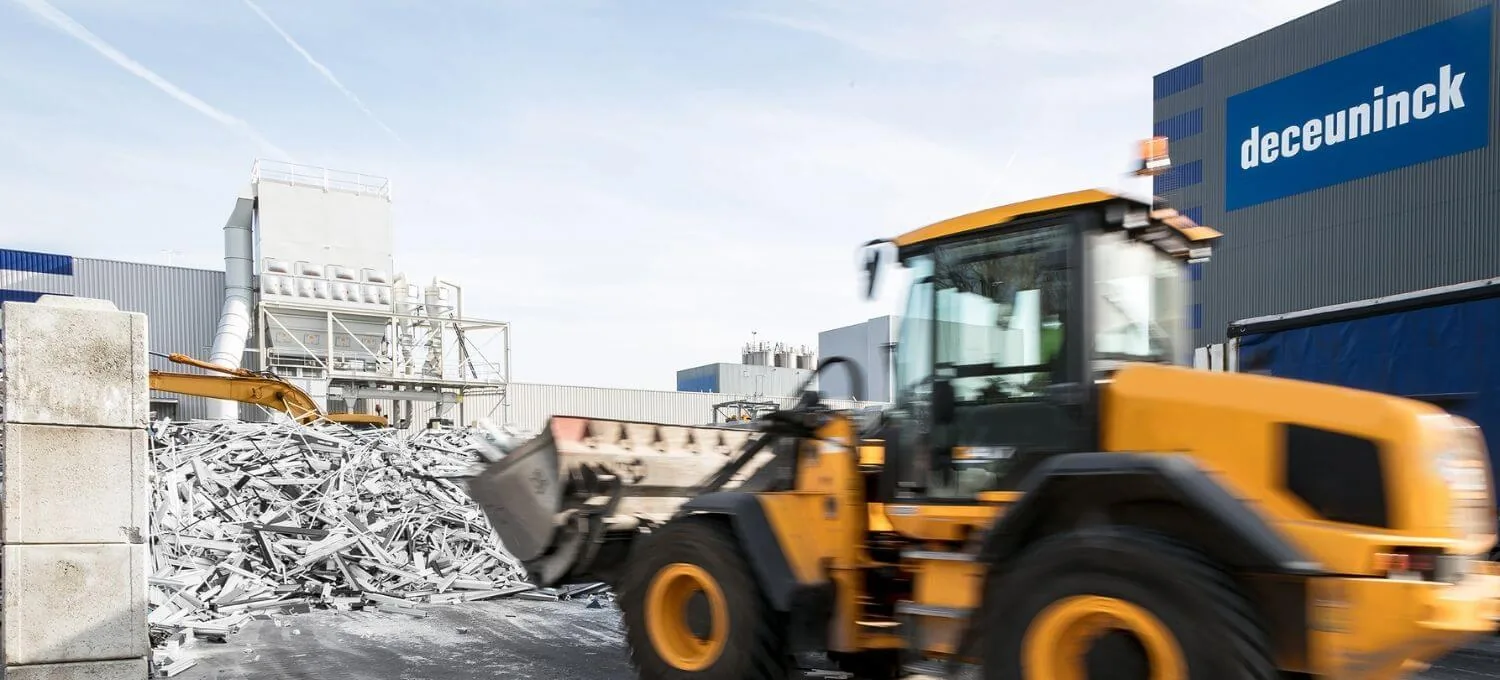
This loop relies on Deceuninck's recycling plant in Diksmuide, Belgium, where the line that opened in 2018 quadrupled the plant's capacity. This automated line sorts and processes old profiles into high-quality raw material, which goes back into new profiles.
The range comprises two models: Infinity 76 X, with clean lines, and the deeper Infinity 115 X. The profiles come in white or foiled on one or both faces, in 50 woodgrain, solid or metallic colours.
Installation & uses
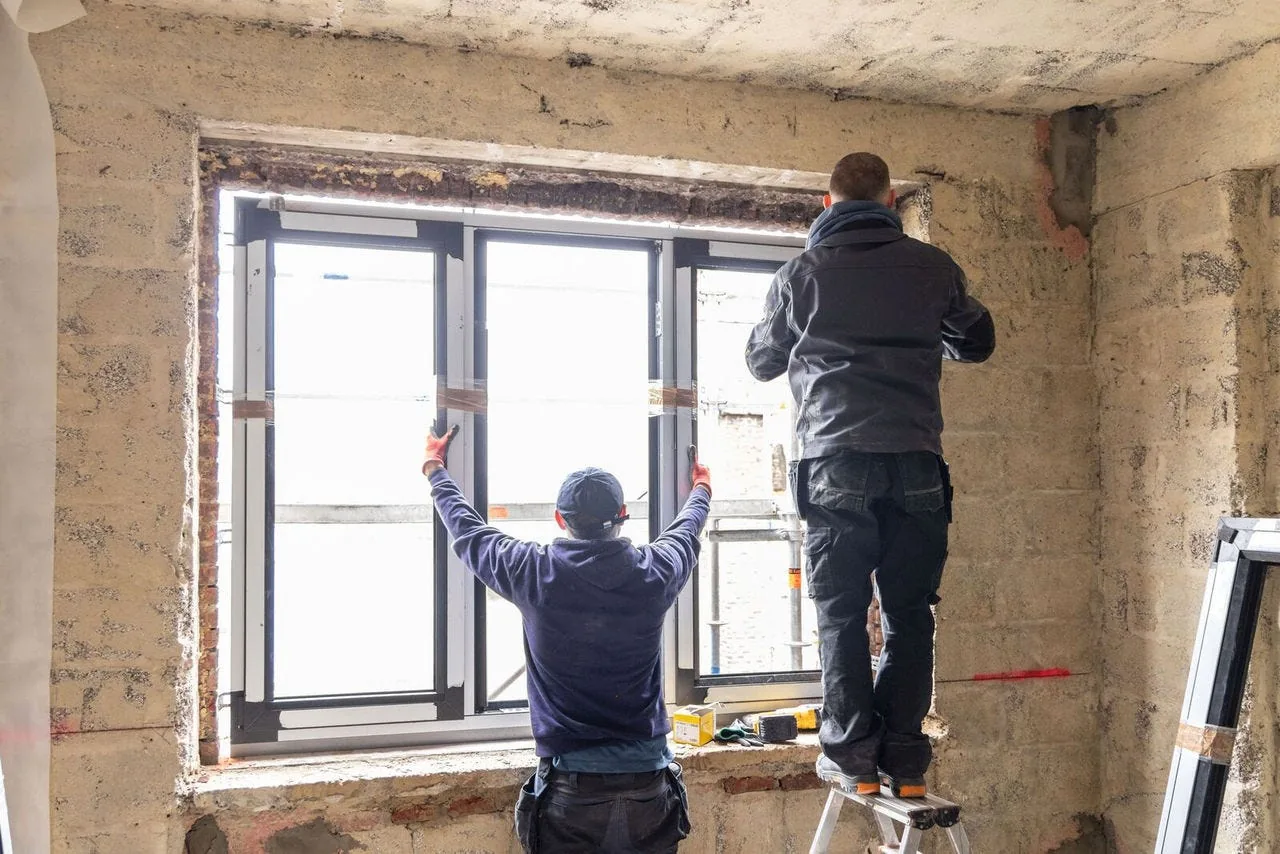
Phoenix profiles are made into windows and doors by window fabricators, who also install them. It is at this stage, on the finished window, that CE marking and the declaration of performance are established, under EN 14351-1.
The windows take glazing 10 to 55 mm thick in the outer frame and 14 to 59 mm thick in the sash, and the glazing can be bonded. Weathertightness relies on two rebate seals supplemented by a centre seal, standard on the Infinity 76 X and optional on the Infinity 115 X, with mitre-welded corners.
The profiles are produced to order, with a minimum of 200 lengths and a lead time of six weeks, which should be planned from the design stage.
At end of life, Deceuninck's partner fabricators can drop off dismantled frames, without glazing or PUR insulation, at its collection points in Belgium: the PVC is recycled in Diksmuide and goes back into new profiles.
About the producer
Deceuninck is a Belgian company, founded in 1937 in Hooglede, that designs and produces window, door and facade profiles. In Diksmuide it operates a recycling plant, opened in 2018, that turns old PVC windows and doors, as well as production offcuts, into raw material for new profiles, including the fully recycled Phoenix range. Its head office has remained in West Flanders, and the company operates in more than 90 countries.
Technical performance
PVC-U window and door profiles: EN 12608-1+A1 (non-harmonised standard: the profile itself carries no CE marking). That marking and the DoP apply to the finished window, under EN 14351-1, and are issued by the window fabricator. The Diksmuide recycling plant is RecyClass-certified (recycling process).
Life cycle
The PVC in the profiles is 100% recycled. It comes partly from production and fabrication offcuts, and partly from old windows and doors collected through Deceuninck's take-back programmes in Europe.
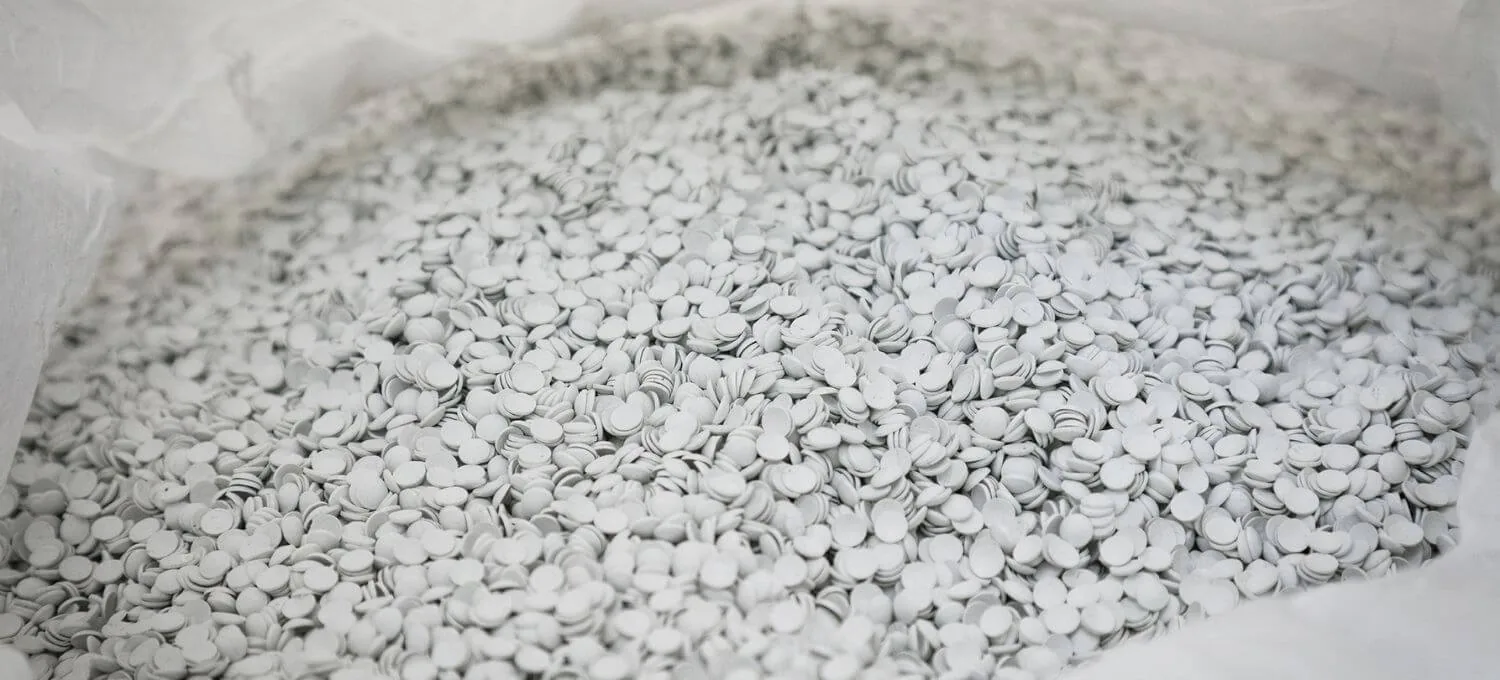
In Diksmuide, Belgium, an automated recycling line sorts old profiles and turns them into high-quality raw material. Mixed with additives, it is extruded into Phoenix profiles, left white or foiled, then assembled into windows by fabricators.
Dropped off without glazing or PUR insulation by partner fabricators at Deceuninck's collection points in Belgium, the frames are recycled in Diksmuide into new profiles. PVC can be recycled up to ten times without losing its mechanical properties.
FAQ
Are Phoenix profiles made only from old windows?
No. The PVC in the profiles is 100% recycled, but it combines two streams: post-industrial material, from production and fabrication offcuts, and post-consumer material, from old windows and doors collected in Europe. Both are processed on the automated recycling line in Diksmuide.
What thermal performance can be expected from the frame?
The frame/sash Uf value reaches 1.1 W/(m²·K), calculated to ISO 10077-2 with a 36 mm infill. The Uw value of the complete window then depends on the glazing and dimensions chosen.
What is the difference between Infinity 76 X and Infinity 115 X?
Both models have an 80 mm recessed sash and take glazing 10 to 55 mm thick in the outer frame and 14 to 59 mm thick in the sash. The Infinity 76 X, with a 76 mm outer frame, has a minimalist geometry and a centre seal as standard. The deeper Infinity 115 X has a front face bevelled at 5° and an optional centre seal.
What lead times should be allowed when ordering?
The profiles are made to order, with a minimum of 200 lengths and a delivery lead time of six weeks.
What happens to the frames at end of life?
Deceuninck's partner fabricators can drop off dismantled frames, without glazing or PUR insulation, at its collection points in Belgium. Recycled in Diksmuide, the PVC becomes raw material for new profiles again and can be recycled up to ten times without losing its mechanical properties.
Alongside
Same layer, same use · materials to compare.