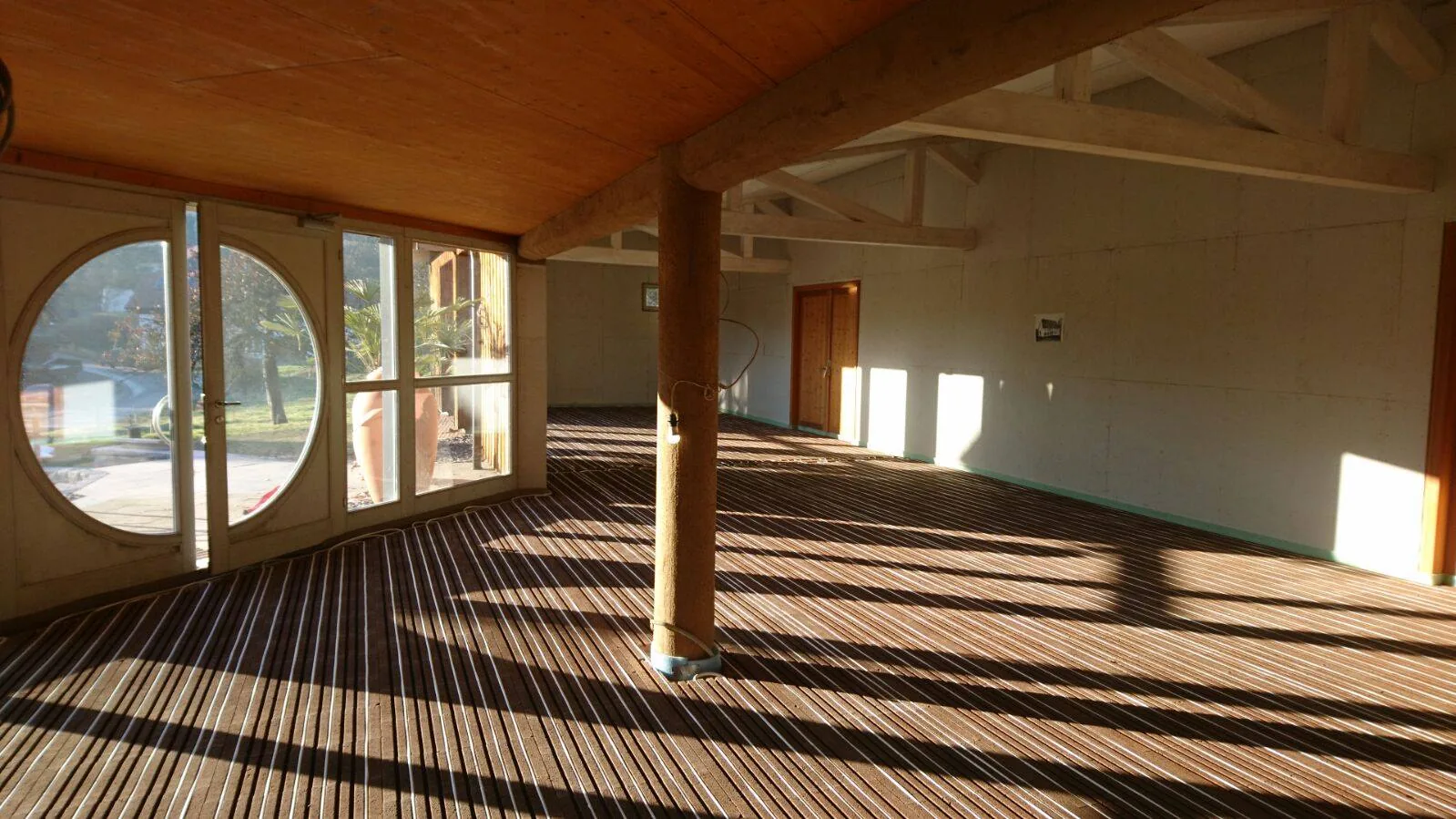
Lithotherm is a family business based in Bad Kreuznach, Germany. Its expertise lies in a category of material that is often pushed into the background of construction choices: the screed.
A screed is a layer of mortar (cement-, resin- or lime-based) applied to the floor to flatten, level and surface a substrate, and to embed services (underfloor heating, cabling) before the upper layers are laid.
A screed is essential in most construction and renovation projects. Its composition (usually cement-based) and its installation (a poured wet mortar, hard to take up) nonetheless give it a high environmental impact.
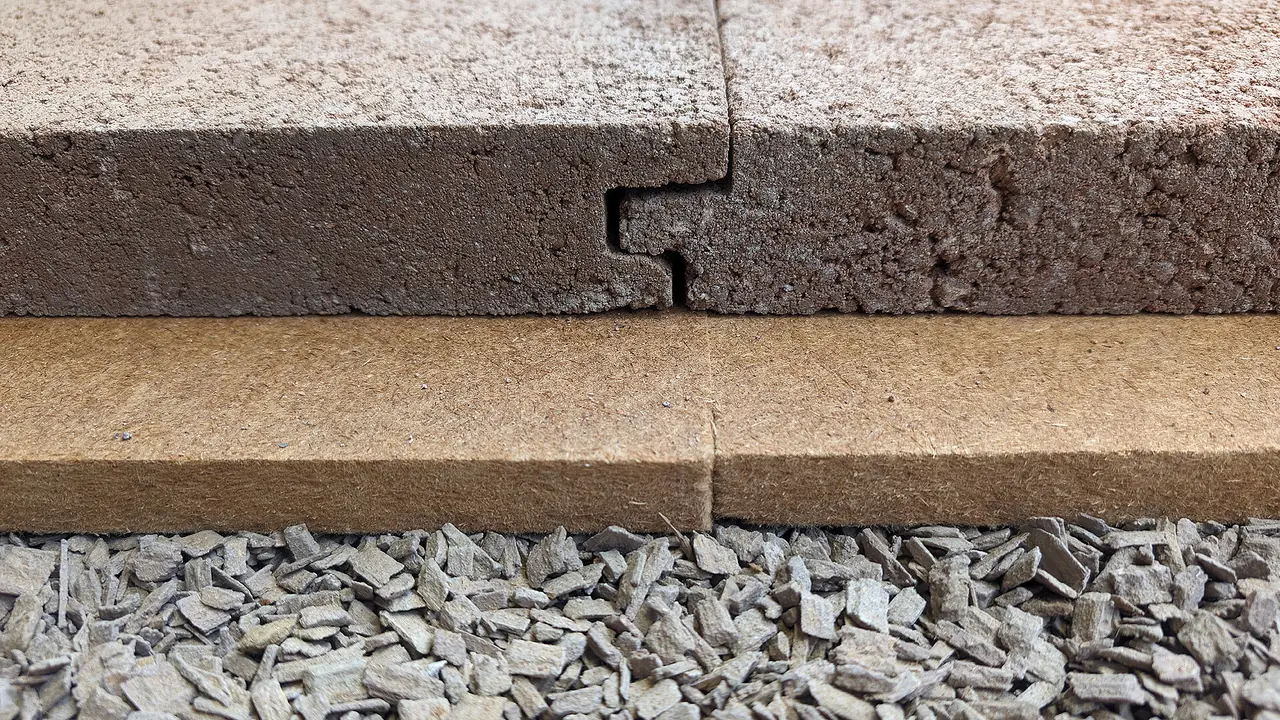
Lithotherm addresses this constraint with a dry screed that can be fully dismantled and reused.
A geo-based product, it is made of a mix of granite and lava stone from the High Fens. It provides both thermal mass and insulation for the floor.
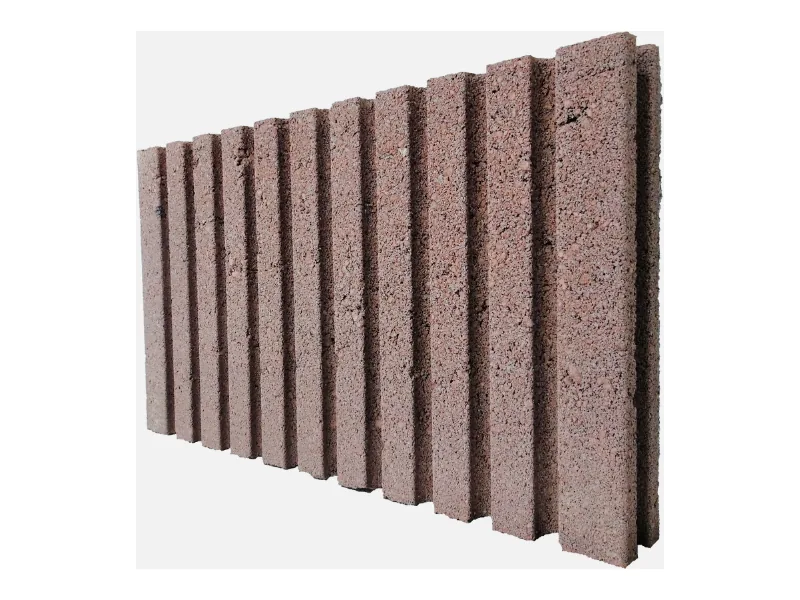
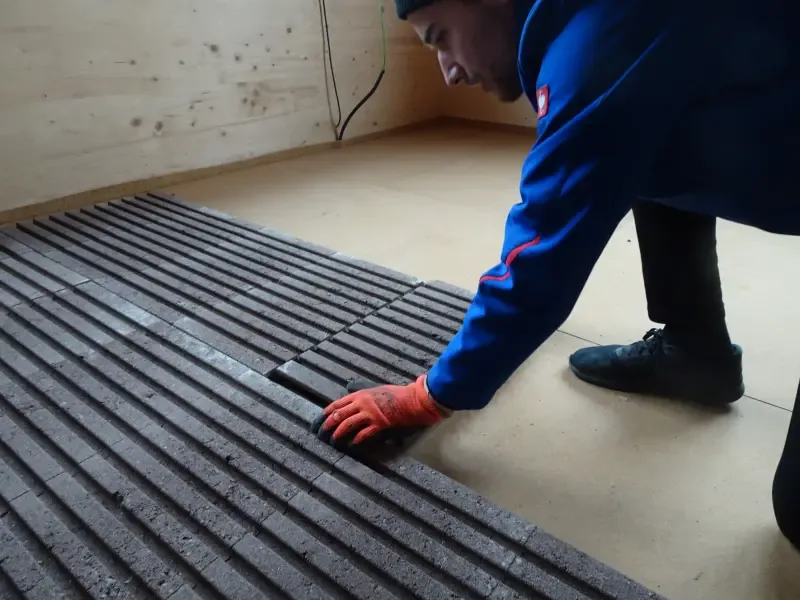
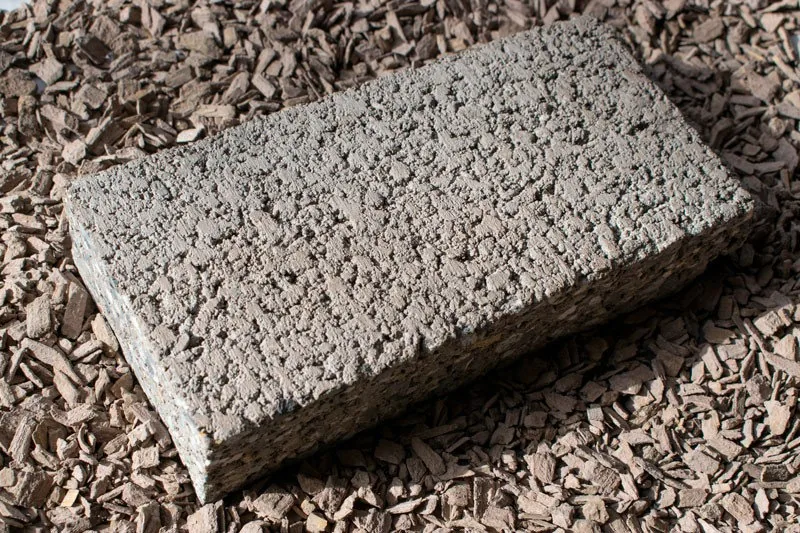
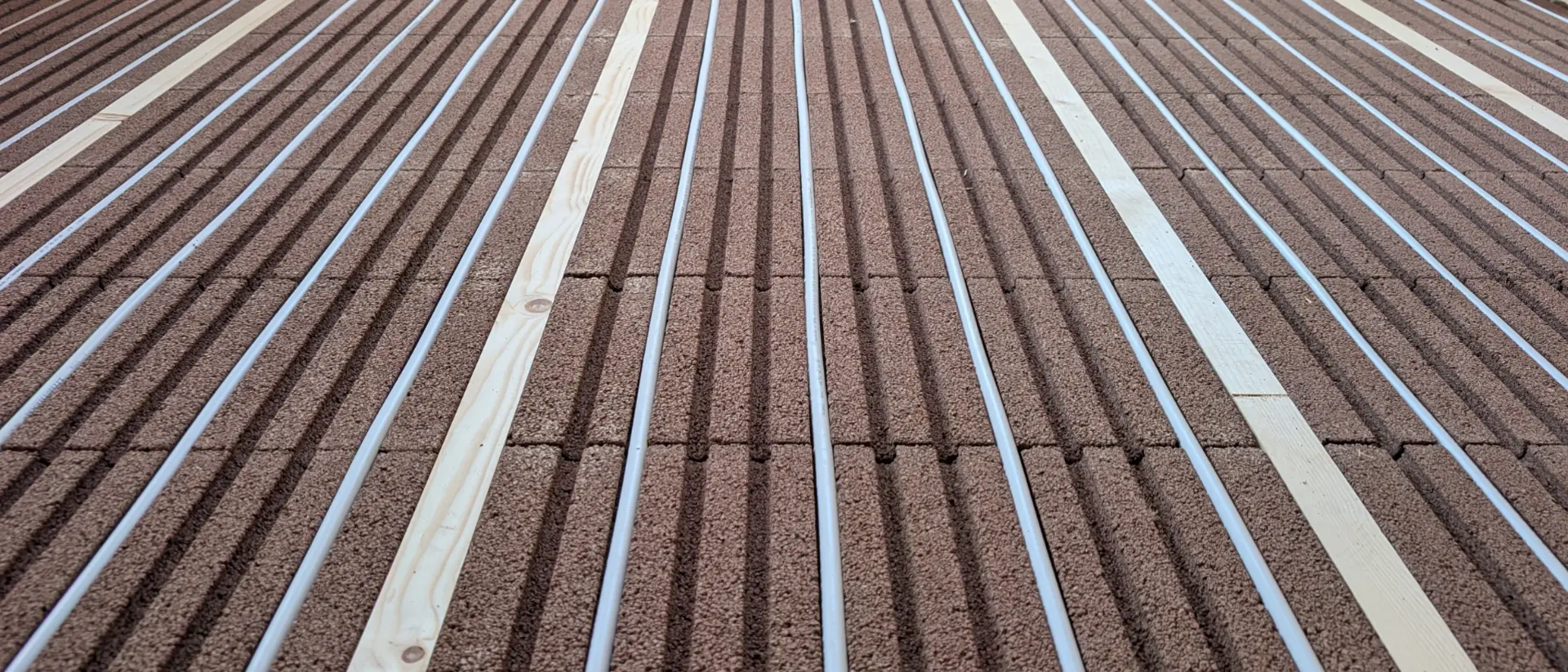
The range designed for underfloor heating improves energy efficiency by not covering the heating pipes from above. Heat spreads better as a result, which reduces the output needed to reach the set-point temperature.
The Lithotherm system comes as interlocking modules. Two practical advantages:
Because the system is demountable, it opens the way to reuse scenarios at the end of the building's life, which is still rare for this category of construction product.
Three pieces from the Magazine, on floors and thermal mass.
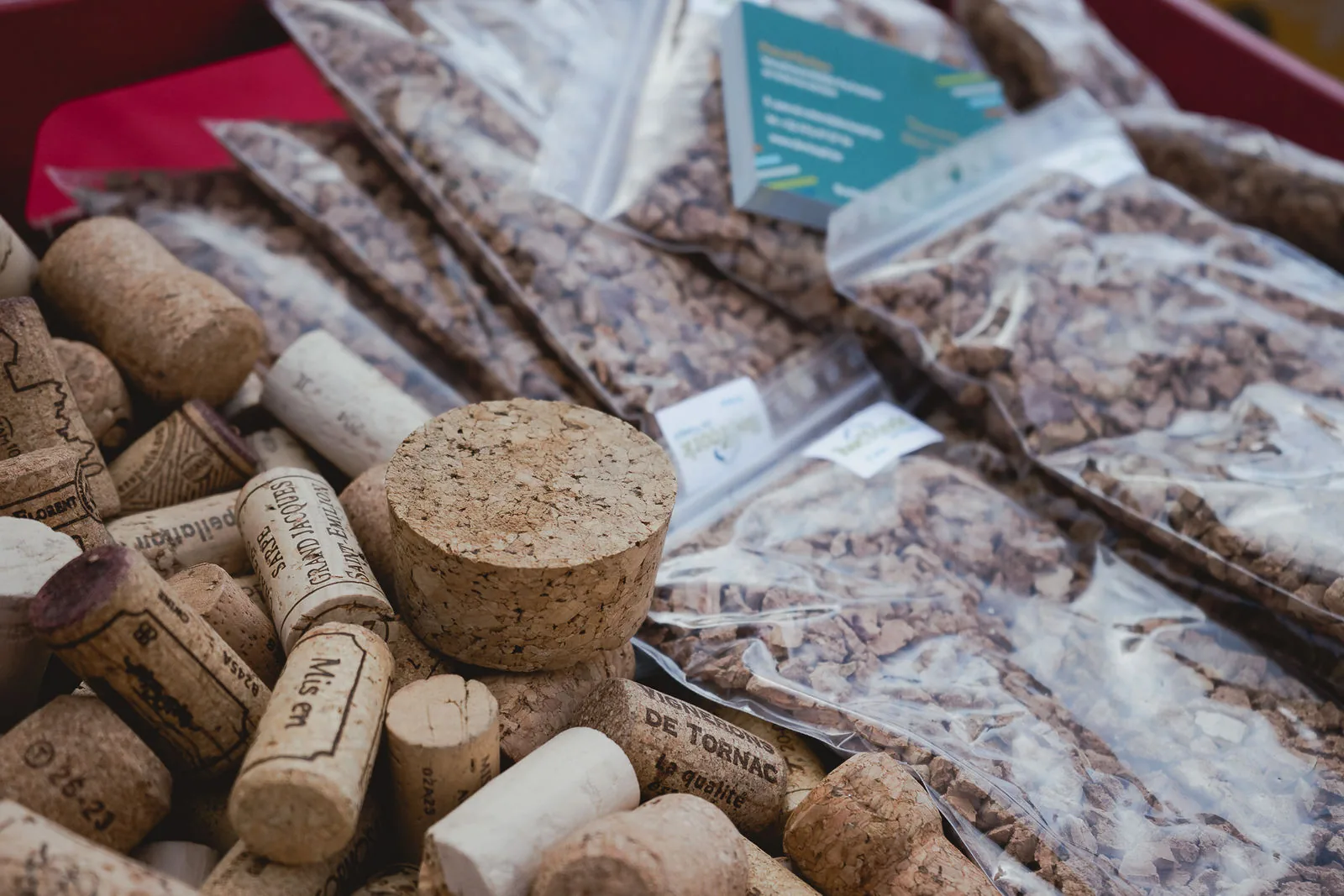
Recycled cork stopper granules, laid loose with no supporting structure, monitored by Buildwise.
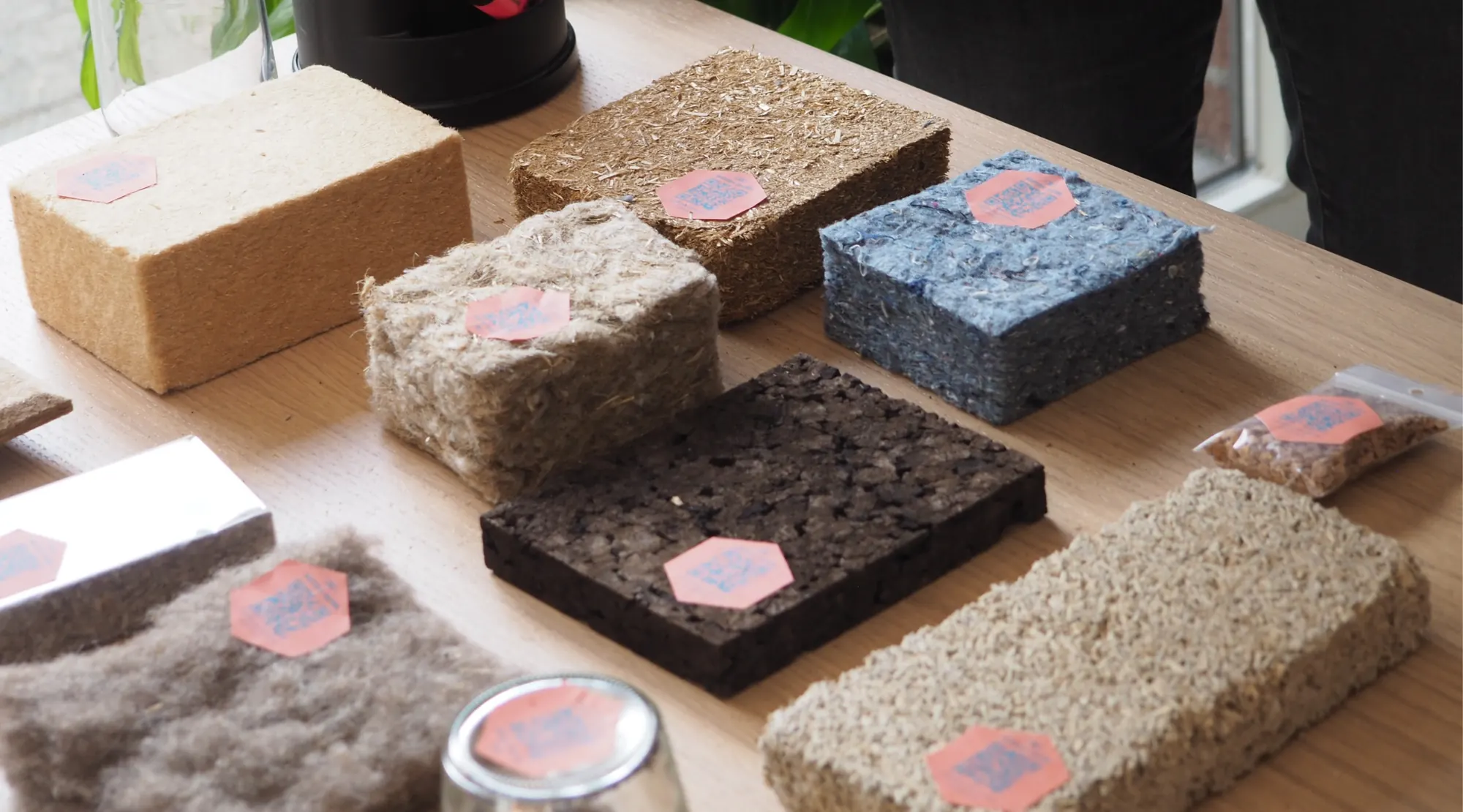
Lambda, thermal phase shift and density: the three criteria for an insulation material that keeps out the heat.
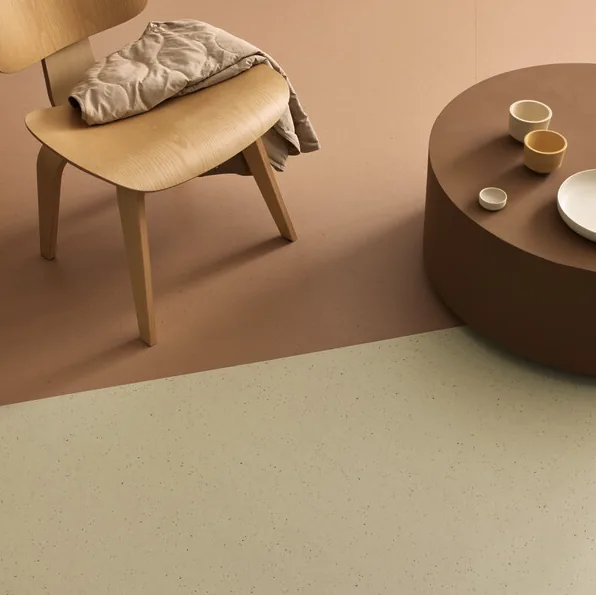
Linseed oil, wood flour and jute: a durable, bio-based floor covering.