Straw has long symbolised simplicity and abundance, but with VestaEco, this humble material becomes a cornerstone of contemporary sustainable construction. Based in the agricultural heartland of Warmia-Masuria, in Poland, VestaEco is reinventing insulation and building materials by combining natural resources with cutting-edge technology.
One of Natura Mater's first partners, VestaEco embodies a shared commitment to innovative, high-performing and environmentally friendly options.
At the heart of Robert's expertise is the use of lignocellulosic fibres from renewable annual plants, such as straw, to replace wood in insulation and building materials. This approach reduces pressure on forests and delivers thermal and acoustic performance equal or even superior to that of traditional products.
VestaEco recently reached a milestone in thermal conductivity by bringing the density of its rigid insulation boards down to 110 kg/m³. This optimisation improves the boards' ability to trap air, for a competitive lambda value.
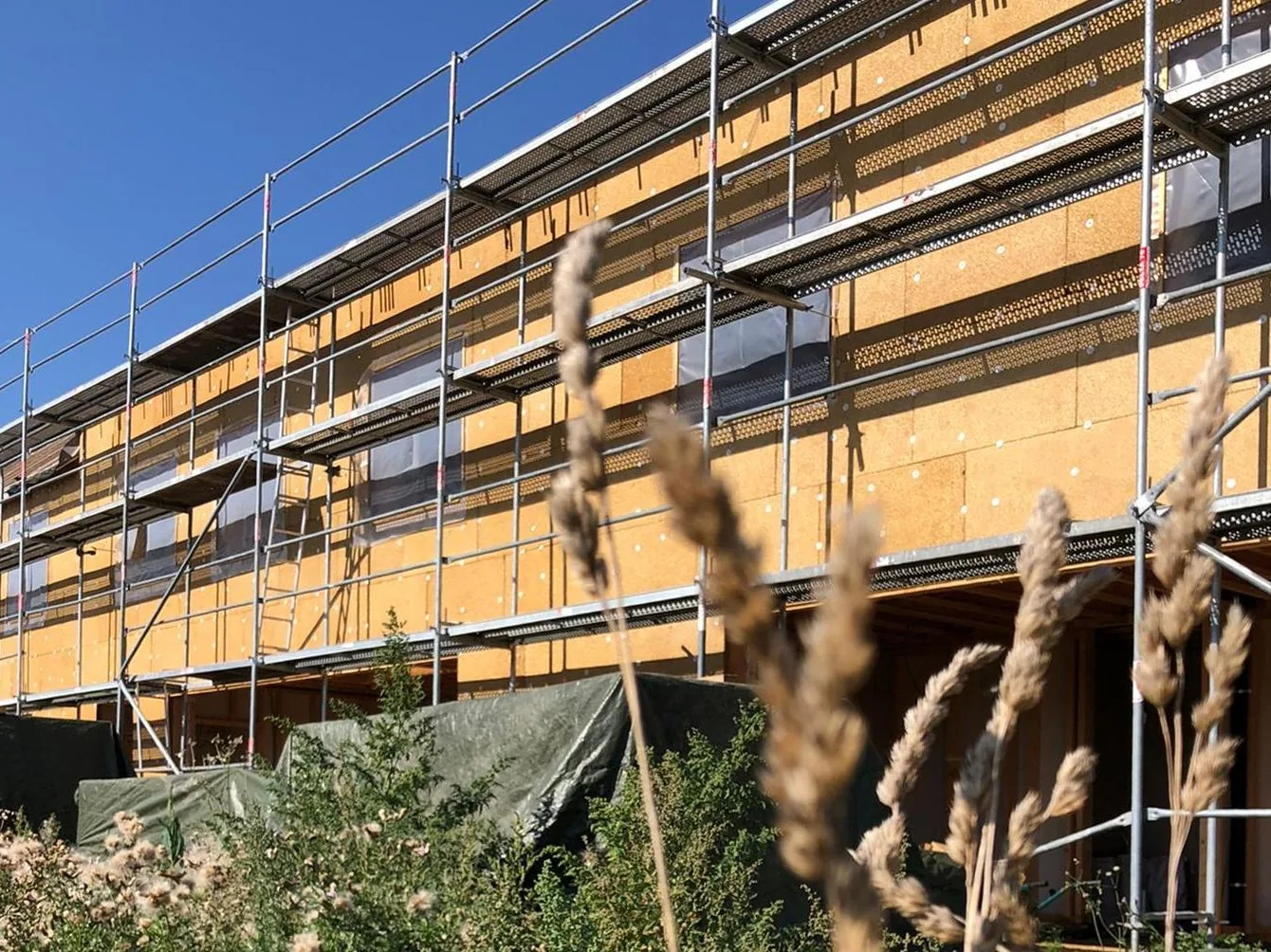
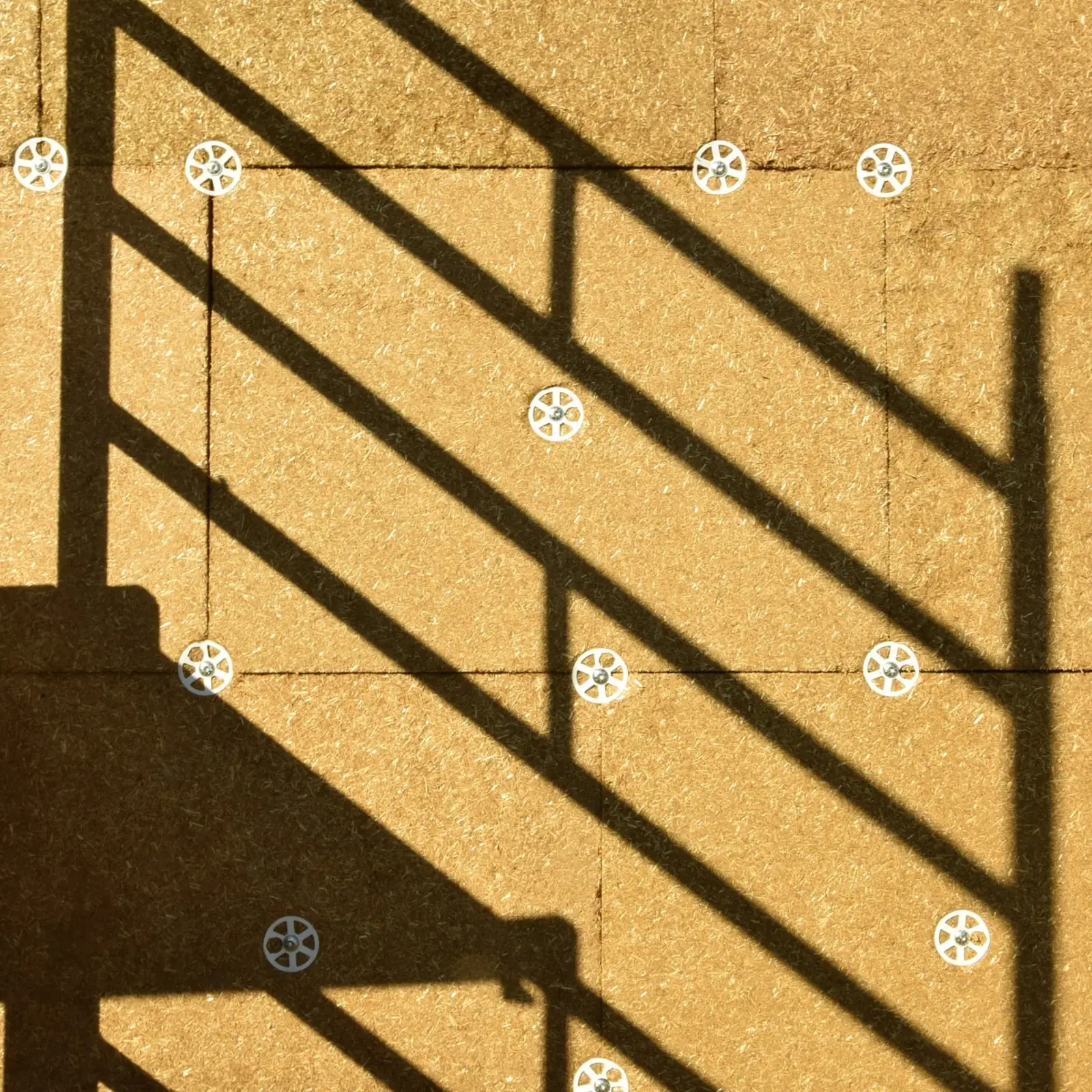
These boards are particularly effective in timber-frame construction, where they provide excellent thermal mass. By smoothing out temperature variations, they reduce heating needs in winter and keep interiors naturally cool in summer: an excellent choice for energy efficiency and comfort.
The open structure of lignocellulosic fibres makes the boards vapour-permeable: moisture can escape, and the interior stays dry and free of mould. This property makes them ideal for humid rooms such as kitchens and bathrooms, and for heritage buildings whose facade cannot be altered.
VestaEco's commitment to innovation shows in its patented DefibraTech 1.0 technology, which allows energy-efficient production and a reduced carbon footprint. Recent investment in a modern production line has taken the company to another level:
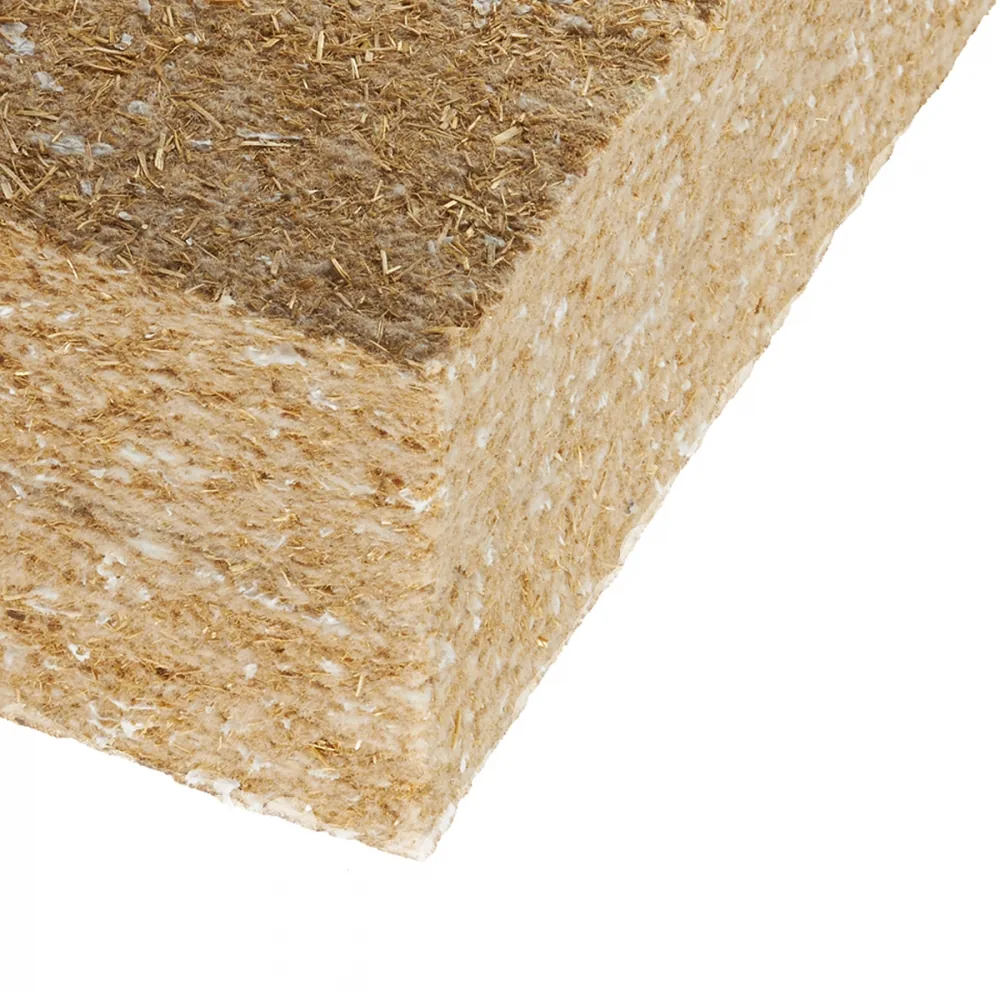
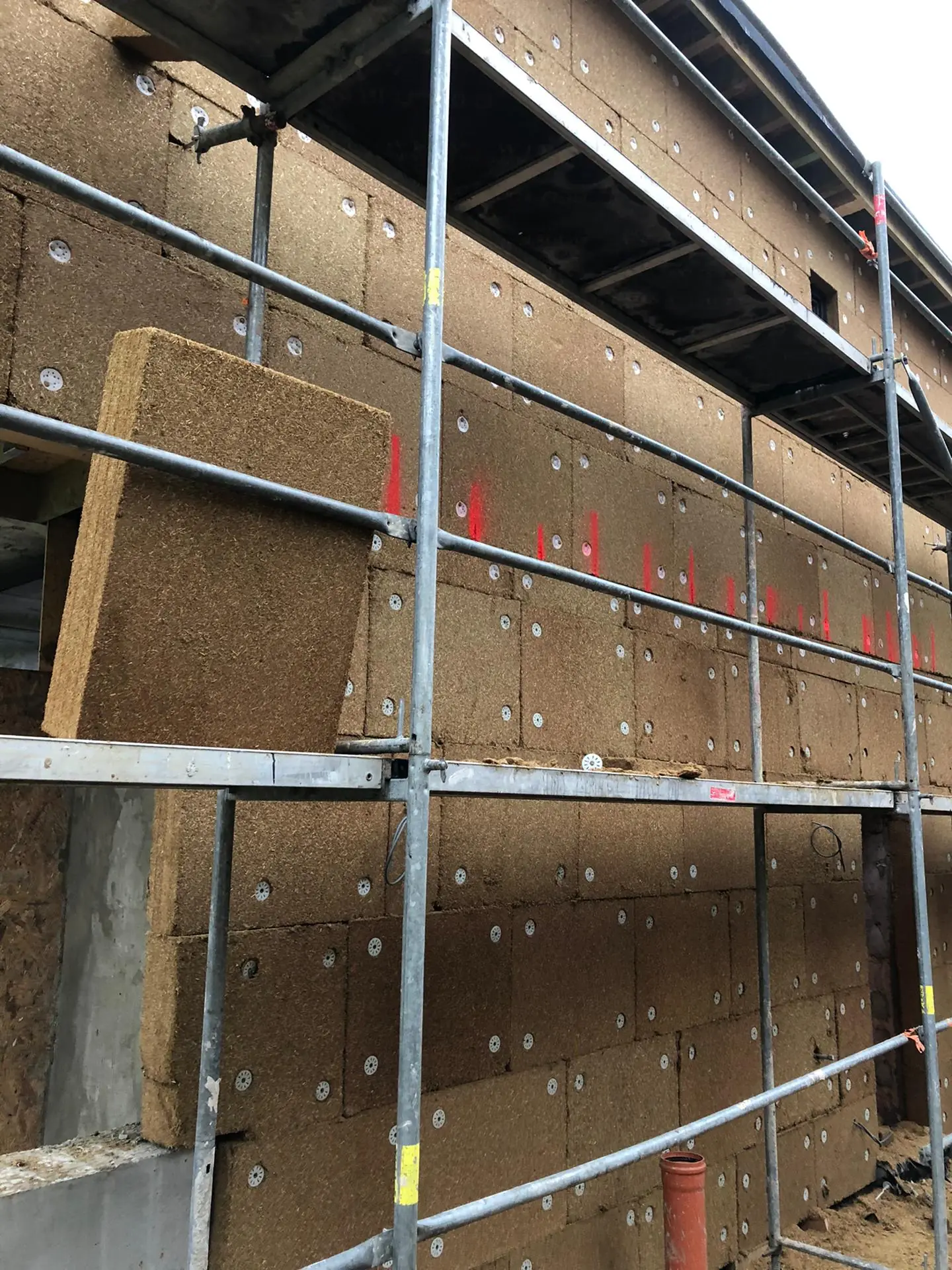
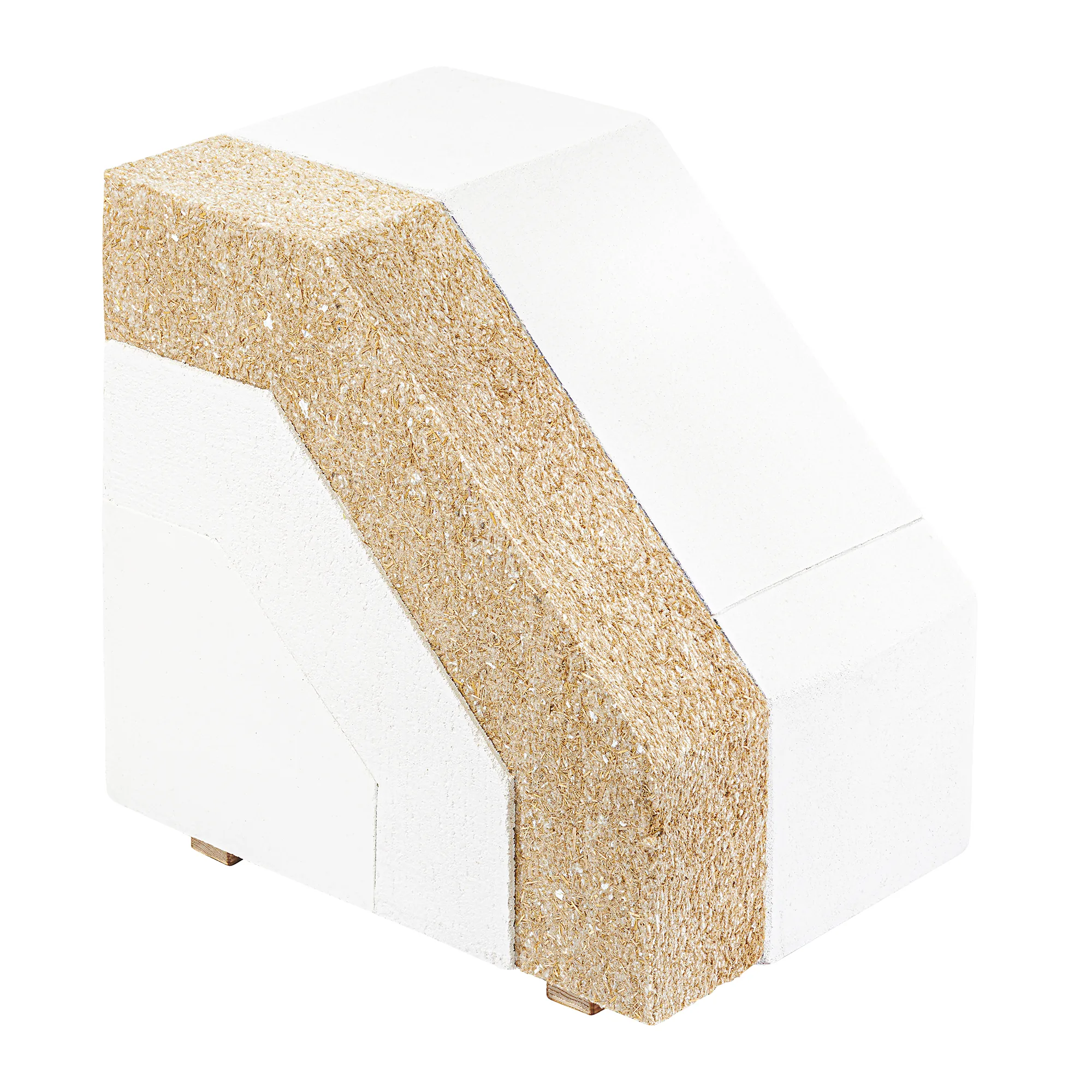
The flagship product, LDF (Low-Density Fiberboard), is a striking example. Tongue-and-groove boards just 15 mm thick, they combine strength, versatility and aesthetic quality, and appeal to designers and contractors committed to regenerative materials.
VestaEco boards are designed for a wide range of applications, with excellent thermal and acoustic properties:
VestaEco has also developed, together with a lime producer, a complete external thermal insulation composite system (ETICS). This partnership shows its ability to integrate natural materials into coherent, high-performing systems for low-carbon projects.
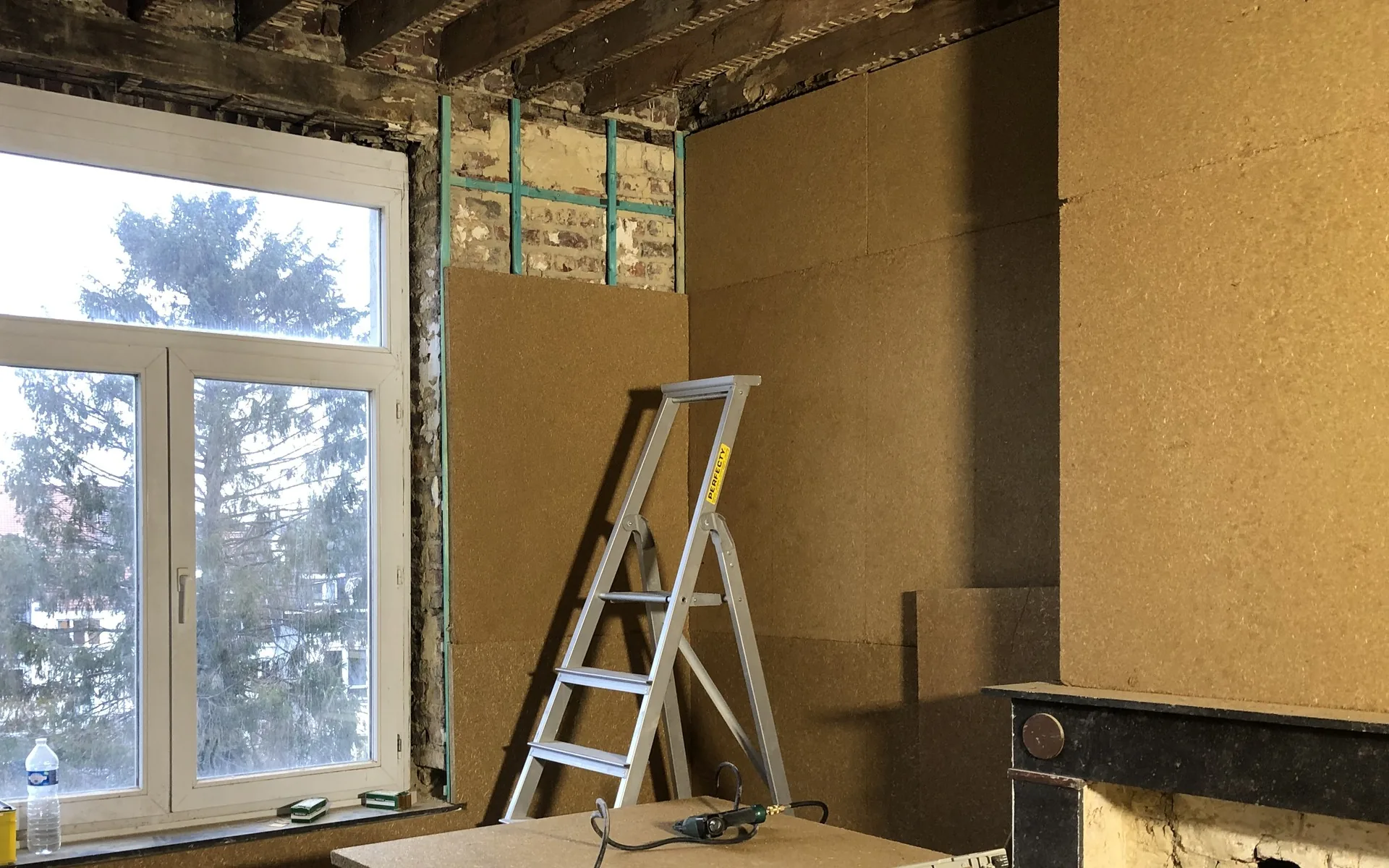
One of the most remarkable aspects of VestaEco products is their complete recyclability. At end of life, these materials can return to the production cycle with no loss of quality, in the spirit of the circular economy.
The research and development laboratory on site continually tests and refines the products, to meet the highest requirements and to explore new applications, in construction as well as in furniture.
At Natura Mater, we are proud to count VestaEco among our most reliable partners. Its ability to turn straw, an often overlooked resource, into high-performing, environmentally friendly materials shows the potential of regenerative design for the future of construction.
Heritage building insulation, timber-frame houses or advanced acoustic systems: VestaEco products prove that bio-based materials are not merely an alternative, they are the future.
Update of 5 November 2026: text translated from the original version, published in English.
Three pieces from the Magazine, on bio-based insulation.
A white clay plaster, a trip to Poland, and the origin of Natura Mater.
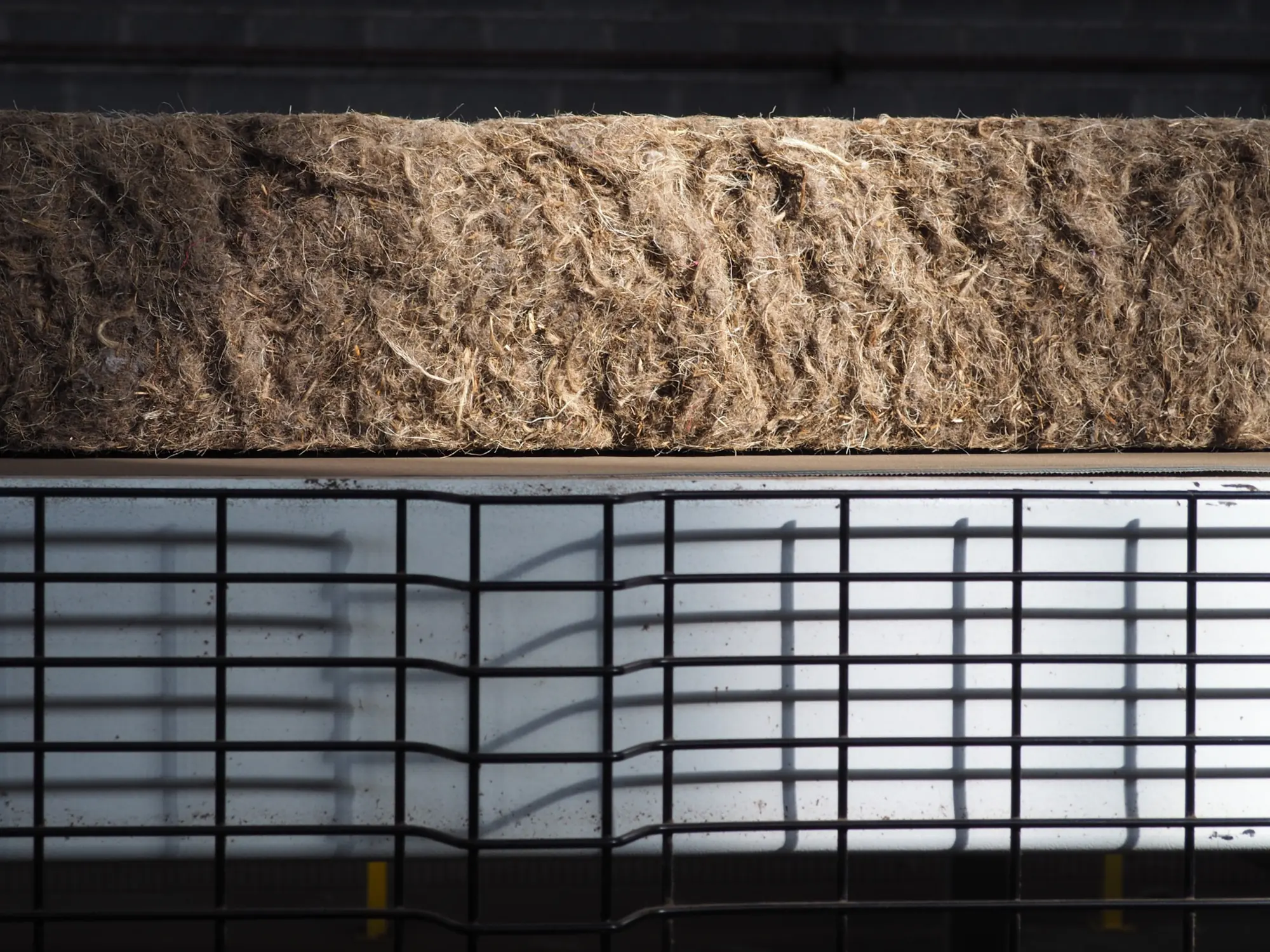
An insulation made in Auvelais from grass residues, as boards and rolls.
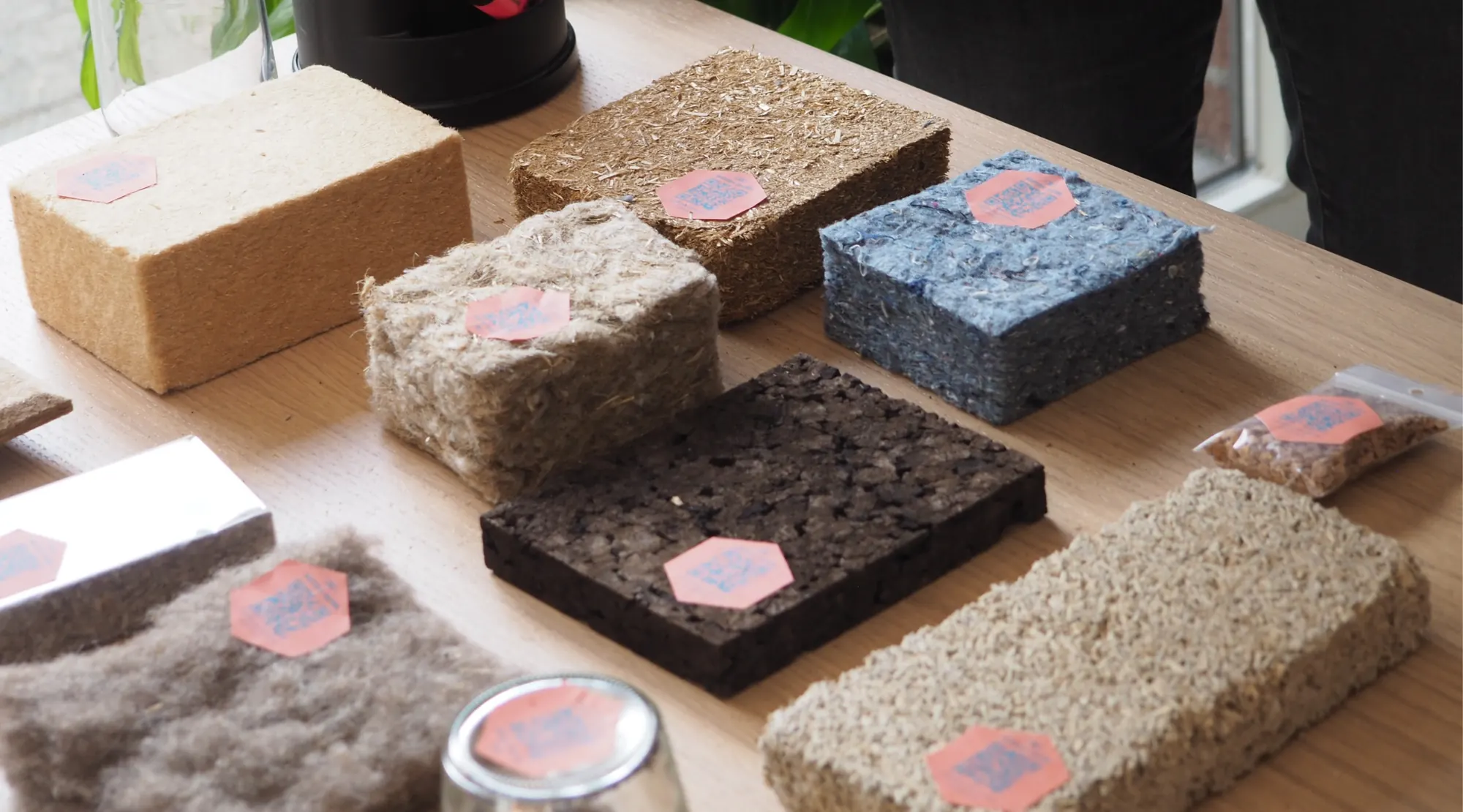
Lambda, phase shift and density: the three criteria of an insulation that protects against heat.