Platonised
wood cladding
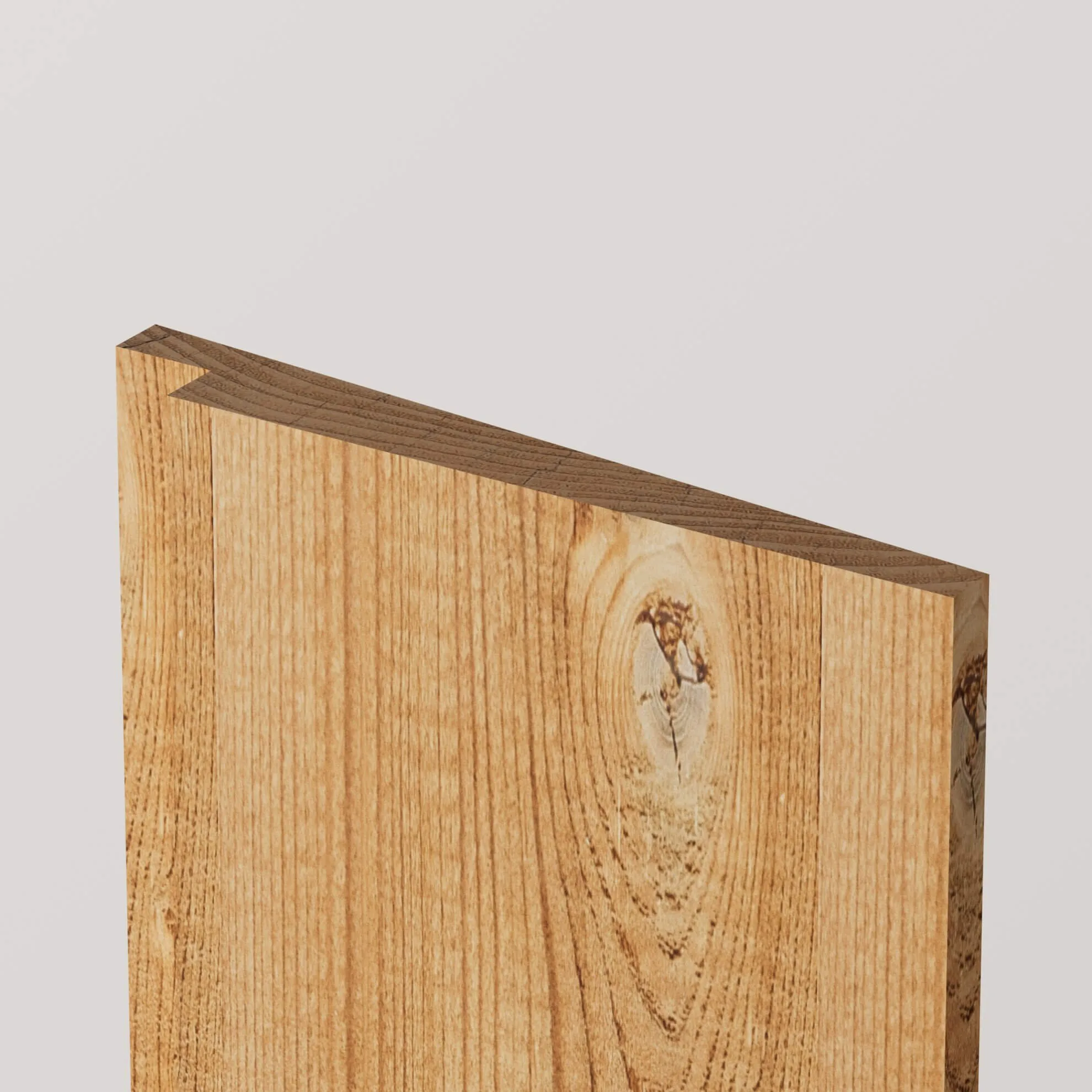
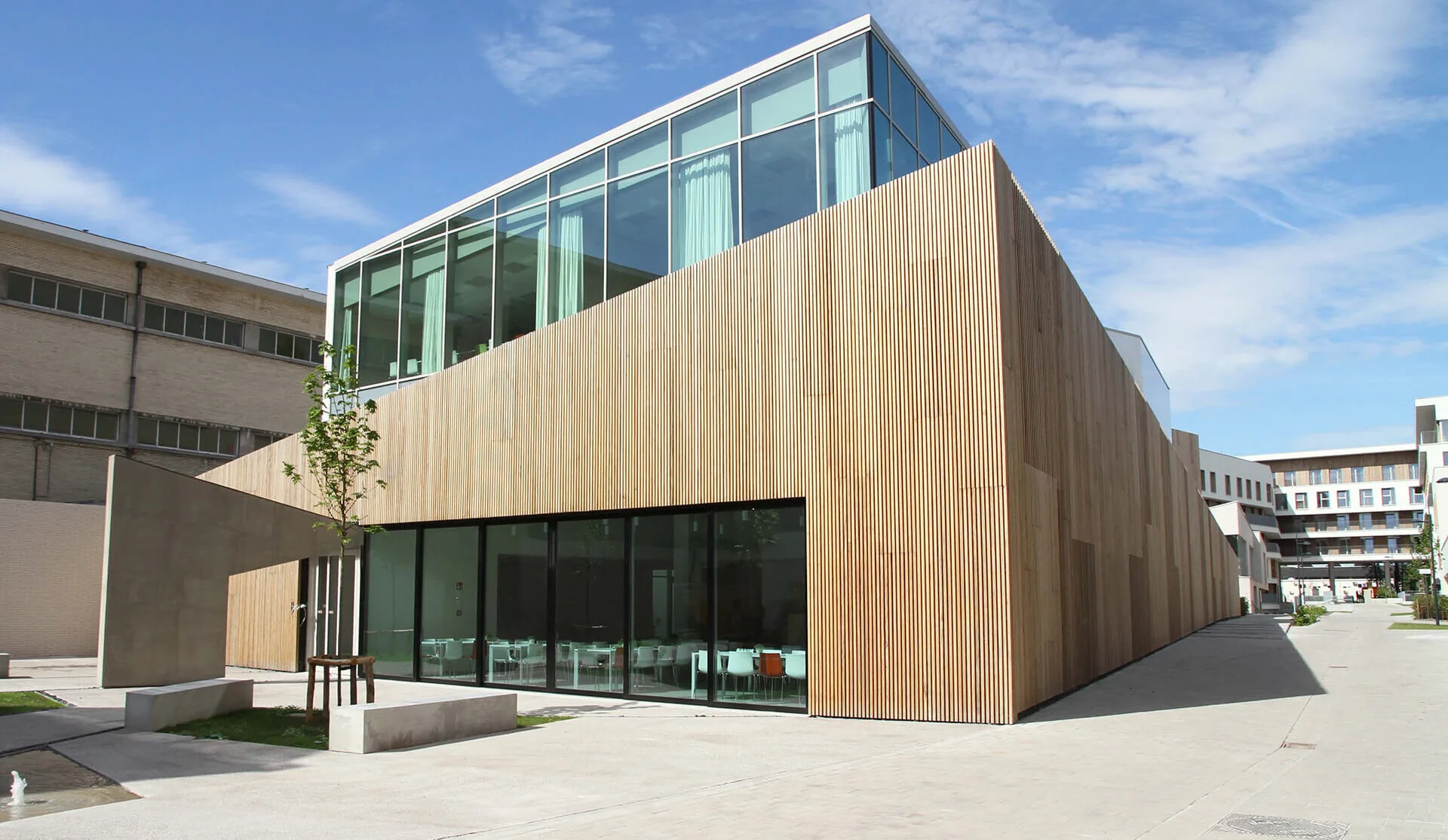
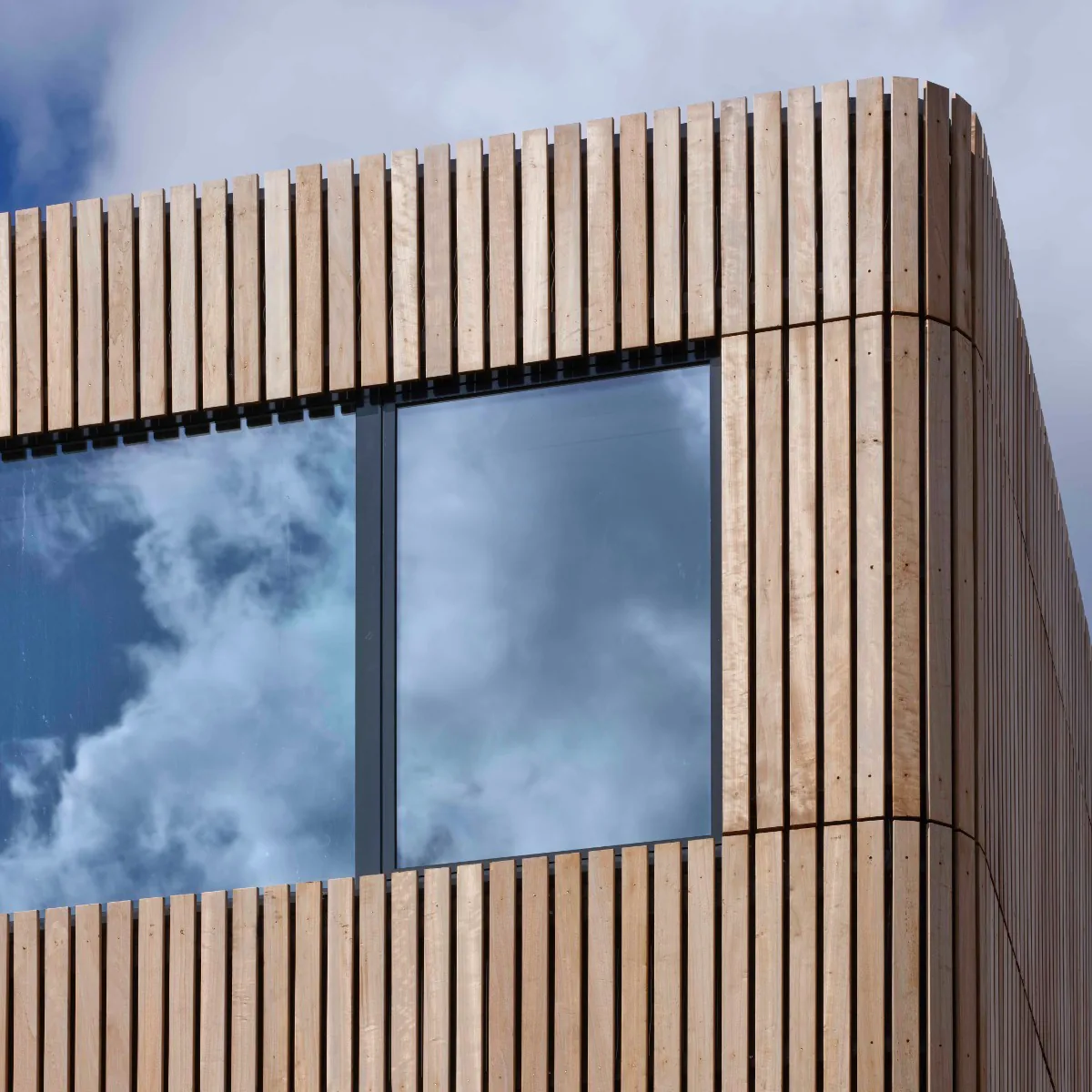
Wood made durable by a hydrothermal process that uses only water and heat, with no chemical additives. Three fast-growing species move from durability class 5 to class 1 for poplar and spruce, and to 1-2 for frake. Facade cladding, external works and, in frake, decking.
What is platonised wood cladding?
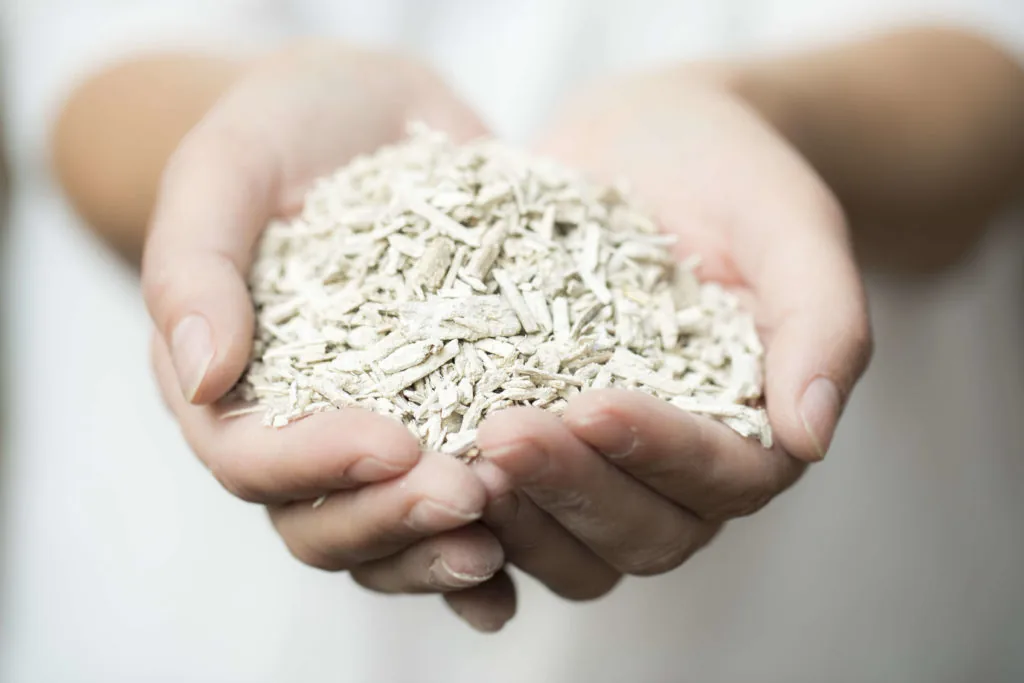
Platonised wood is wood made durable by water and heat. The process adds nothing to the wood. The boards are steamed under pressure in an autoclave, dried slowly, then cured dry at the Platowood factory in Arnhem, in the Netherlands. Water and heat break down the sugars on which fungi feed and modify the structure of the wood, which becomes more dimensionally stable.
The effect shows in the durability class. Frake, poplar and spruce are all in class 5, the lowest: outdoors, they rot quickly. After treatment, poplar and spruce move to class 1 and frake to class 1-2, to EN 350. The EPDs assume a reference service life of 30 years on a facade.
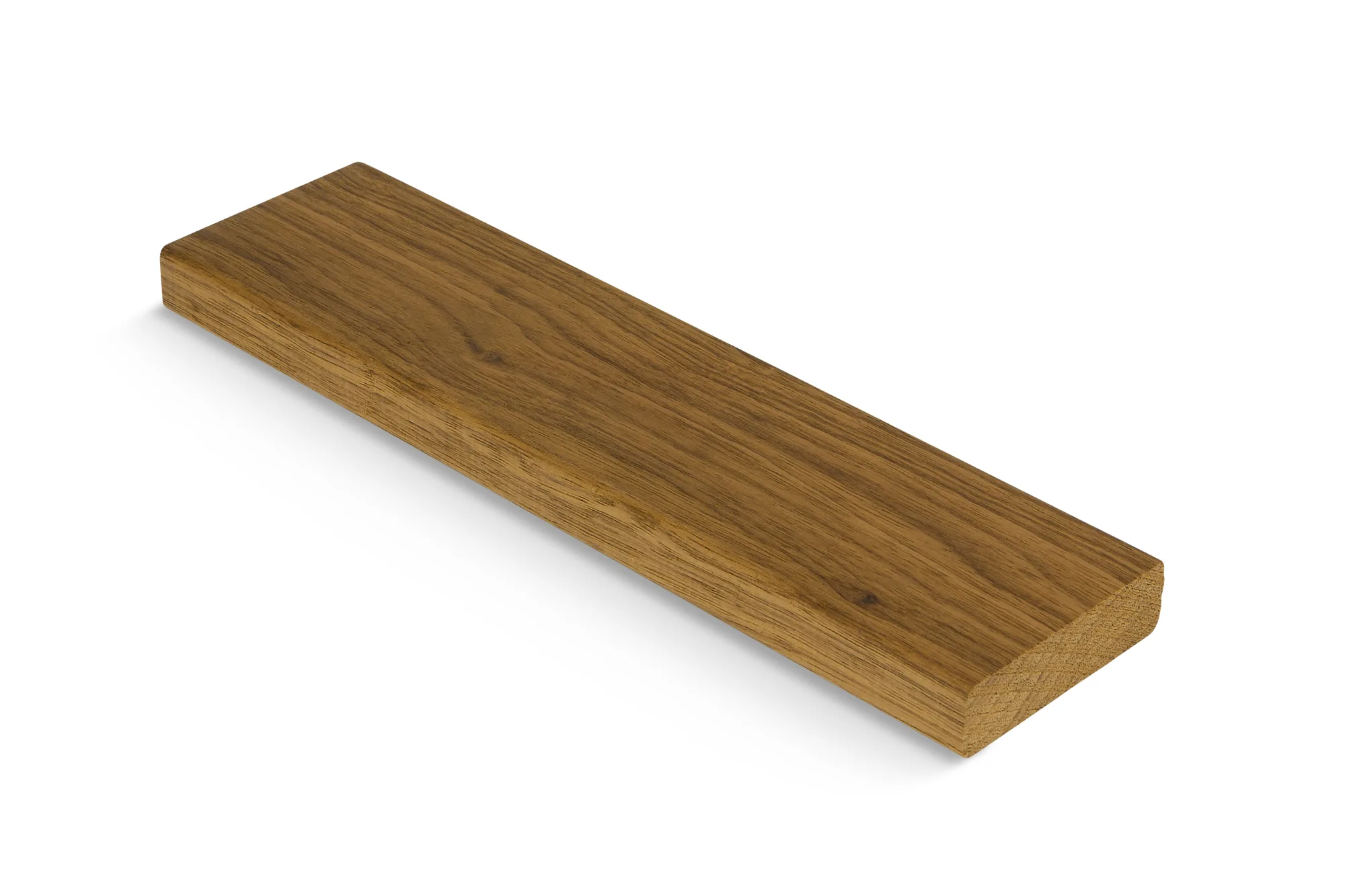
The three species keep their character. Frake, a West African hardwood from OLB-certified forests, takes on a flame figure and a warm brown colour. Poplar, from FSC and PEFC forests, largely Flemish, is the calmest: few knots, an even grain, a light wood, soft to the touch. Spruce, from FSC and PEFC forests in Scandinavia, keeps its knots and small resin pockets, which give it a lively appearance.
Left unfinished, all three weather gradually to a silvery grey. On carbon, their EPDs give −28.5 kgCO₂eq per m² of cladding for frake, −25.9 for poplar and −22.0 for spruce, over A1-A3 and including the carbon stored in the wood.
Installation & uses
The range covers facade cladding and external works; frake is also used for decking and external joinery, spruce for roof cladding, interiors and acoustic screens. There are eleven Platonium profiles: frake comes in all of them, spruce ten, poplar nine, in 18 and 20 mm thicknesses. The boards are fixed with ring-shank nails or stainless steel screws, after pre-drilling.
Three differences govern the choice of species. Frake and poplar can be used either face out, spruce on one face only: its marked face is laid towards the back, so that any growth-ring separation stays out of sight. Poplar is supplied in shorter lengths, which has to be taken into account from the setting-out stage. And fire sets them apart: unfinished frake and spruce are classed D-s1, d0, whereas unfinished poplar does not reach class D in a facade configuration; it achieves it with a Color finish. All three reach class B with the Bio FireProtect fire-retardant treatment, applied by Hestus.
The three species fall under the EN 14915 cladding standard and carry CE marking with their own Declaration of Performance; frake is also KOMO certified. There are six finishes: unfinished, pre-greyed, natural (frake and spruce), charred, coloured and fire-retardant treated.
The wood is ordered through Platowood's network of timber merchants. At end of life, the wood has had no chemicals added to it.
About the producer
Platowood is a Dutch producer of modified wood, based on the Cleantech Park in Arnhem since 2002. Its process, which uses only water and heat, makes fast-growing species with little natural resistance outdoors durable: frake from West Africa, spruce from Scandinavia and European poplar, much of it from Flemish forests. Its wood is used for cladding, decking, joinery and interior fit-out, and is sold through a network of timber merchants. The factory runs on residual heat from a neighbouring power plant and on electricity from its own solar panels.
Technical performance
Timber cladding EN 14915:2013: CE marking and Declaration of Performance per species (frake No. 20250418-01, spruce No. 20250418-02, poplar No. 20260312-03), AVCP 3 and 4 · reaction to fire EN 13501-1: D-s1, d0 for unfinished frake and spruce; unfinished poplar not declared (NPD), class D with the Color finish · class B with the Bio FireProtect fire-retardant treatment (B-s2, d0 for frake and spruce) · durability EN 350: class 1 (poplar, spruce), 1-2 (frake) · KOMO certificate 21077/25 for frake · MRPI EPD EN 15804+A2 per species.
Life cycle
Frake comes from OLB-certified forests in West Africa, poplar from FSC and PEFC forests, largely Flemish, and spruce from FSC and PEFC forests in Scandinavia. All three are fast-growing species with low natural durability, in class 5.
The boards are steamed under pressure, dried, then cured at the Platowood factory in Arnhem, with no chemical additives, using residual heat from a neighbouring power plant and electricity from solar panels. The EPDs give between −22.0 and −28.5 kgCO₂eq per m² of cladding over A1-A3, including the carbon stored in the wood.
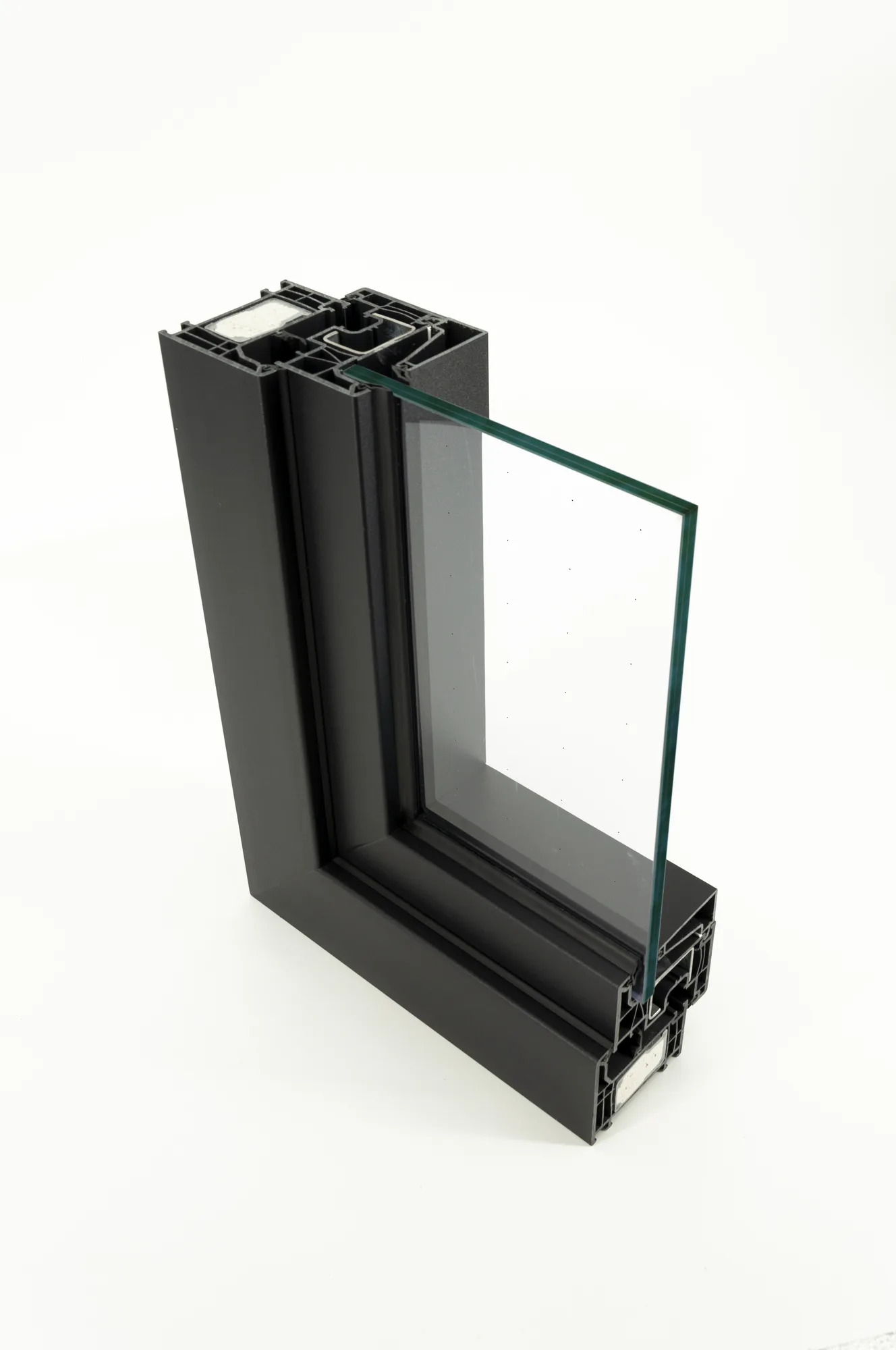
The process adds no product to the wood. Production offcuts are used to make window frames and other products; at end of life, the scenario assumed by the EPDs is energy recovery.
Projects and publications
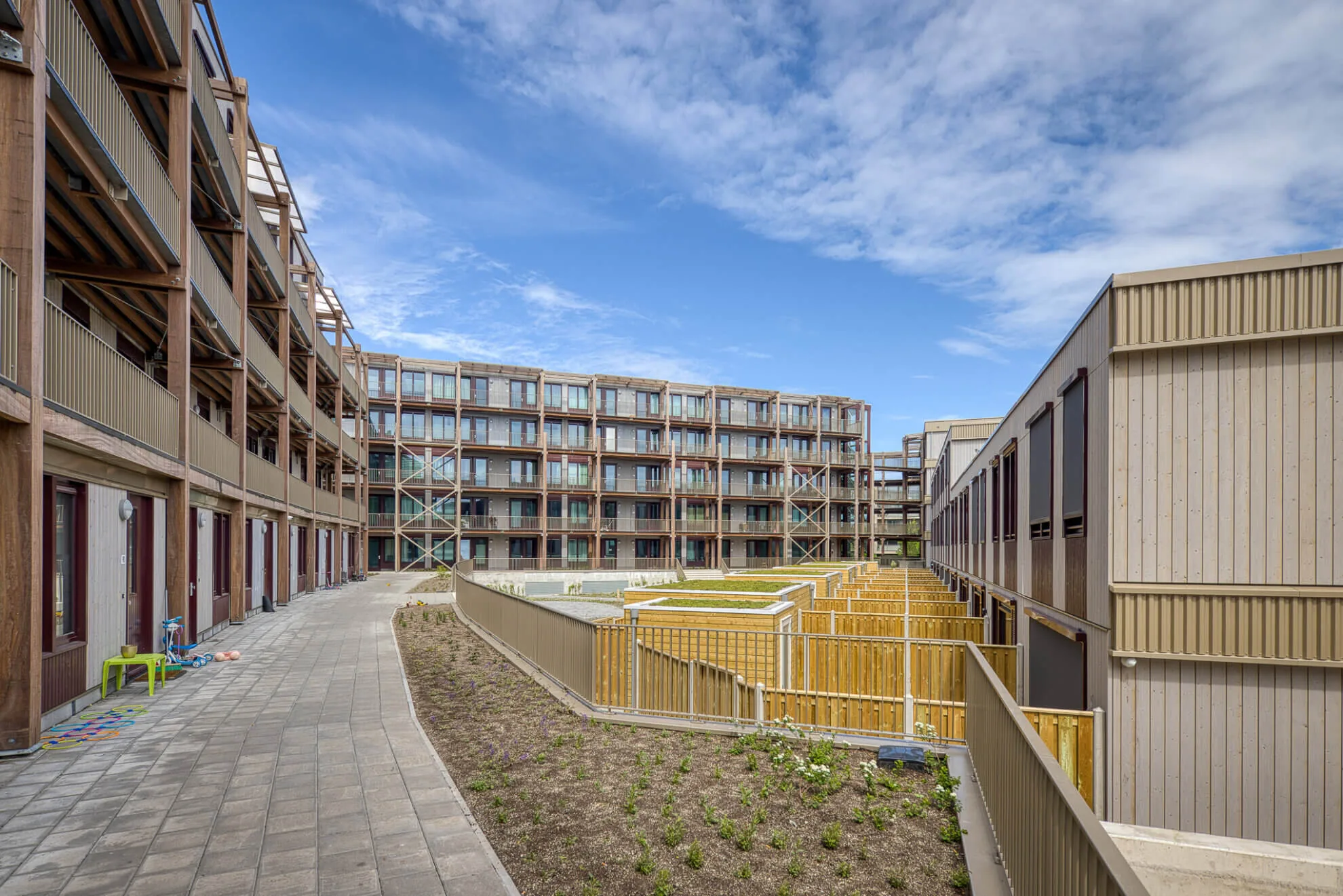
The projects that use it and the publications that discuss it.
FAQ
Which species should you choose: frake, poplar or spruce?
Frake for a flame figure and a warm colour, poplar for a calm grain and a light wood sourced nearby, spruce for a knotty, lively appearance. In practice, the required reaction to fire, the lengths available and whether one or both faces are used often decide before appearance does.
Does platonised wood contain a treatment product?
No. The process uses only water and heat: the boards are steamed under pressure, dried, then cured. It adds nothing to the wood; it modifies its chemical and mechanical properties, which gives it its high durability class.
What reaction to fire class can be achieved?
Unfinished frake and spruce are classed D-s1, d0 and reach B-s2, d0 with the Bio FireProtect fire-retardant treatment. Unfinished poplar does not reach class D in a facade configuration: it achieves it with a Color finish, and class B with the fire-retardant treatment.
Do the three species each have their own EPD?
Yes, each has an MRPI EPD to EN 15804+A2 valid until 18 April 2028: −28.5 kgCO₂eq/m² for frake, −25.9 for poplar and −22.0 for spruce, over A1-A3 and including biogenic carbon.
Where does the wood come from?
Frake comes from OLB-certified forests in West Africa, poplar from FSC and PEFC forests, largely Flemish, and spruce from FSC and PEFC forests in Scandinavia. All three are processed in Arnhem, in the Netherlands, about 200 km from Brussels.
Alongside
Same layer, same use · materials to compare.