Materials · the documented reference for your low-carbon projects
Each entry states what the material is, how it is installed, what its measured performance is and what becomes of it at end of life. The data comes from the producers' technical data sheets and from our database; none of it is estimated.
The library
Twenty materials, arranged by building layer: what carries the load, what separates inside from outside, what divides up the space, what you see and touch. Filter by layer to see only what applies to your work package.
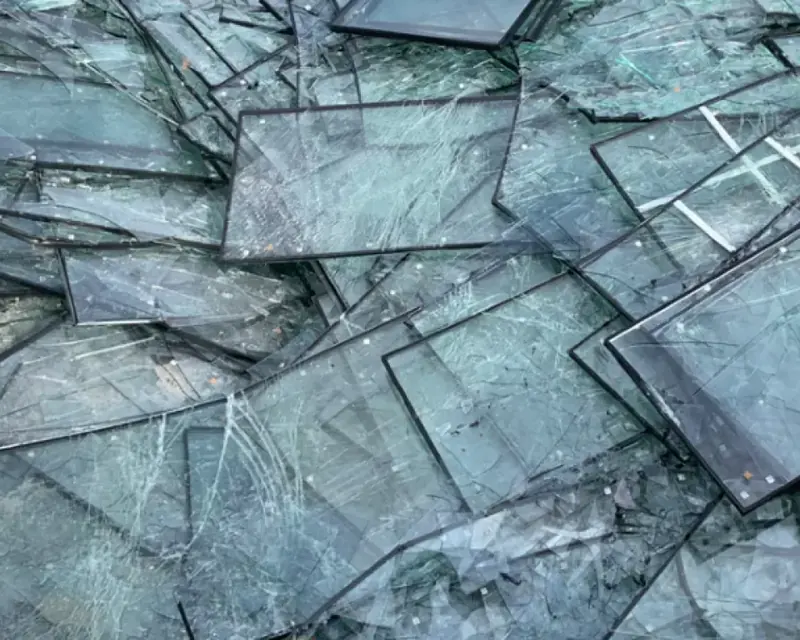
Float glass with a high recycled glass content. AGC · Louvain-la-Neuve.
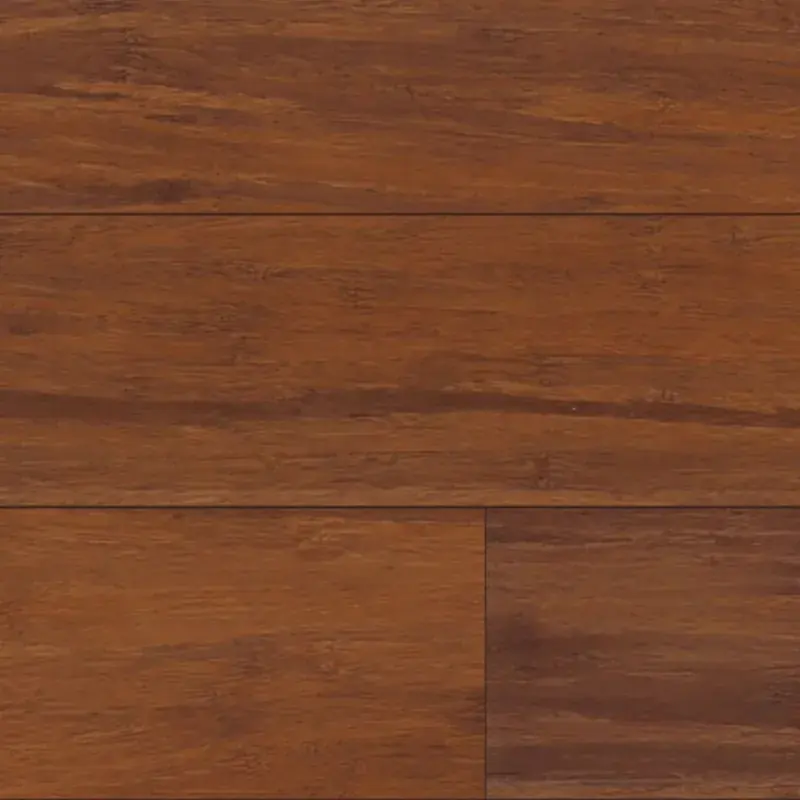
Moso bamboo, strips compressed under high pressure. Ootouch · Braine-l'Alleud.
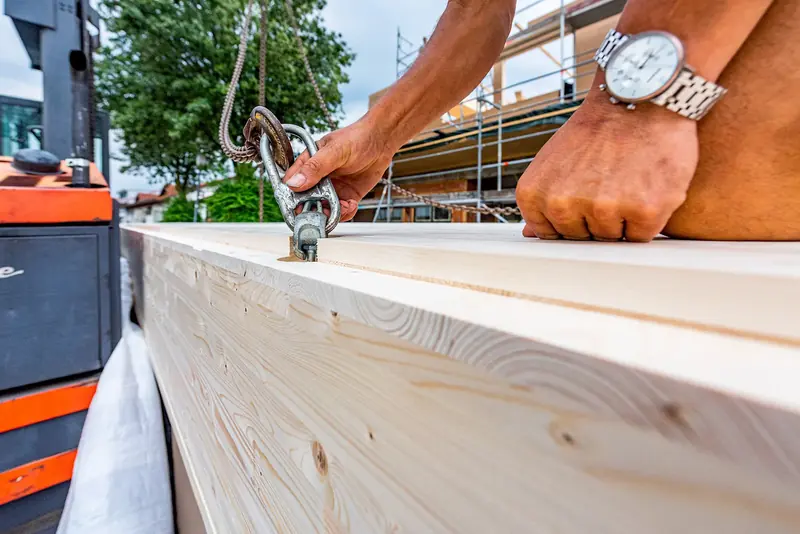
Cross-laminated spruce, glued box element. Best Wood SCHNEIDER · Eberhardzell.
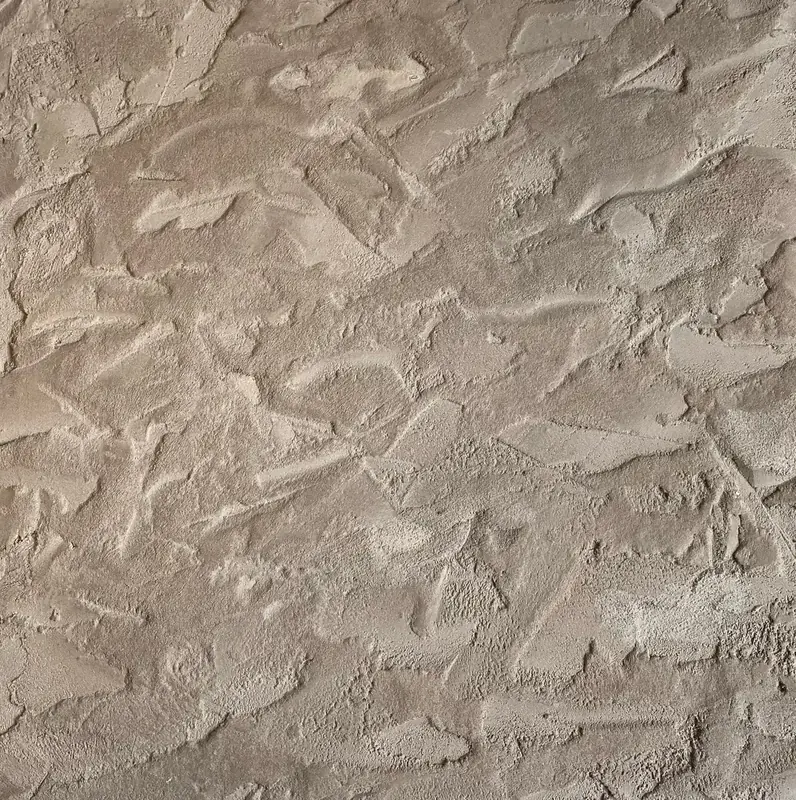
Clay, dolomite and polymer binder, applied wet-on-wet. ClayLime · Brussels.
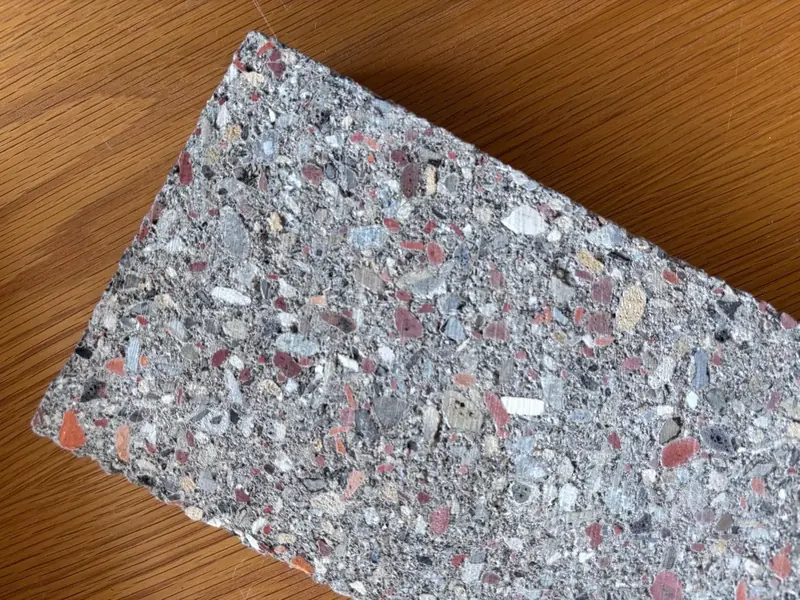
Recycled demolition aggregates and low-carbon binder, masonry block. Roosens Bétons · Familleureux.
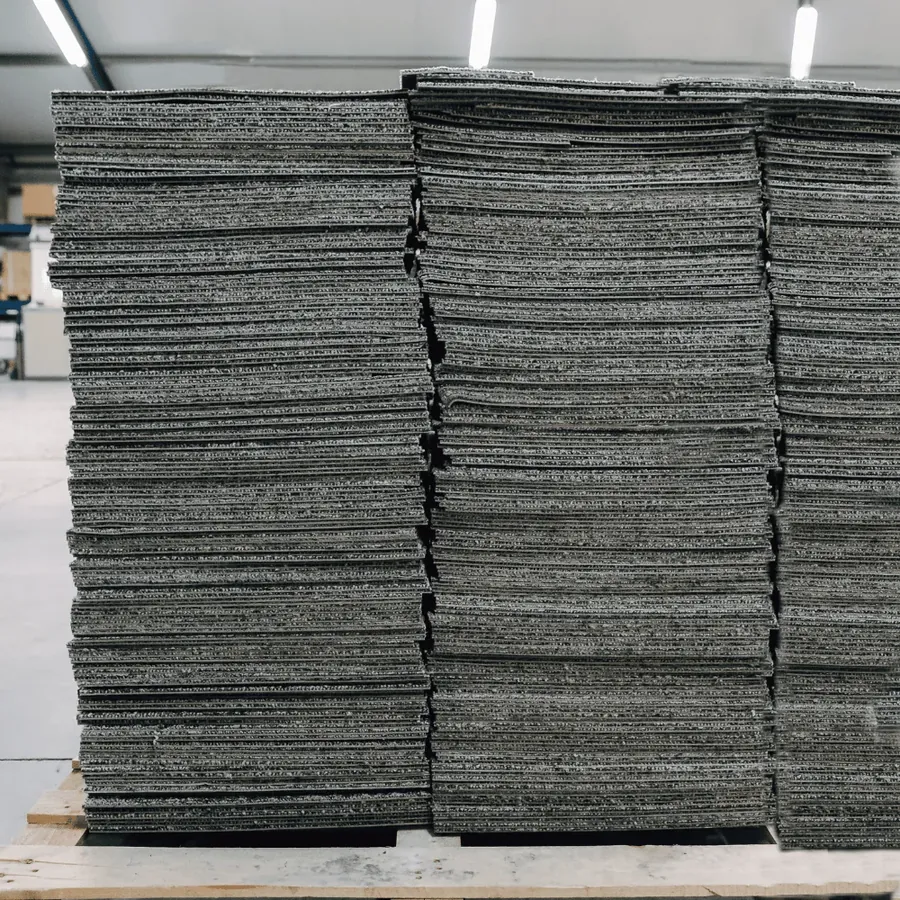
Office carpet tiles, refurbished. Composil · Wavre.
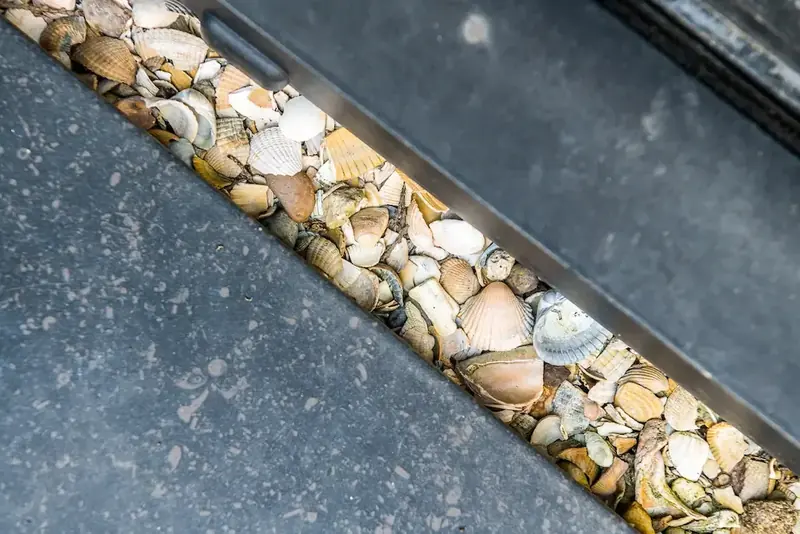
Whole marine shells, washed and graded. Ecoverbo (Ecoschelp) · Antwerp.
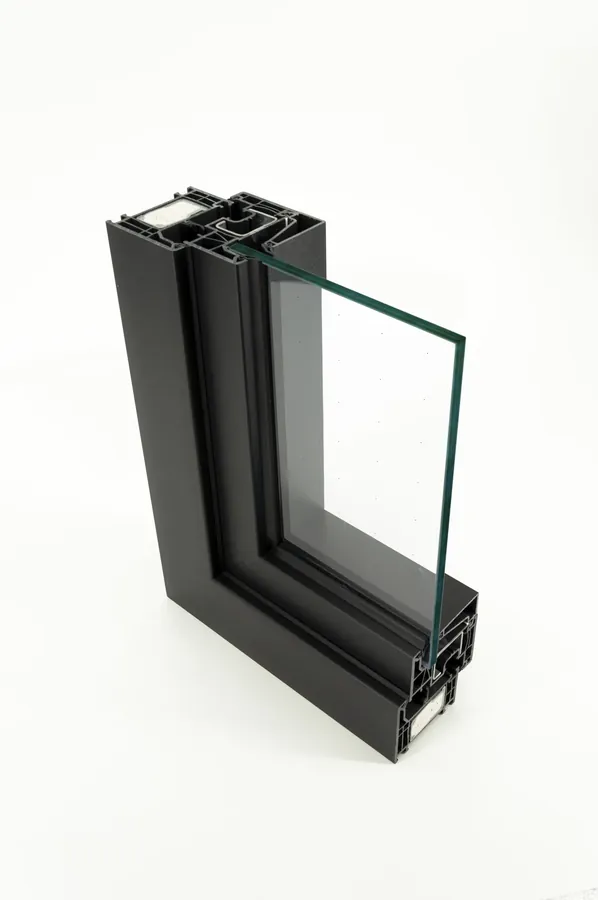
100% recycled PVC, extruded profiles. Deceuninck · Hooglede-Gits.
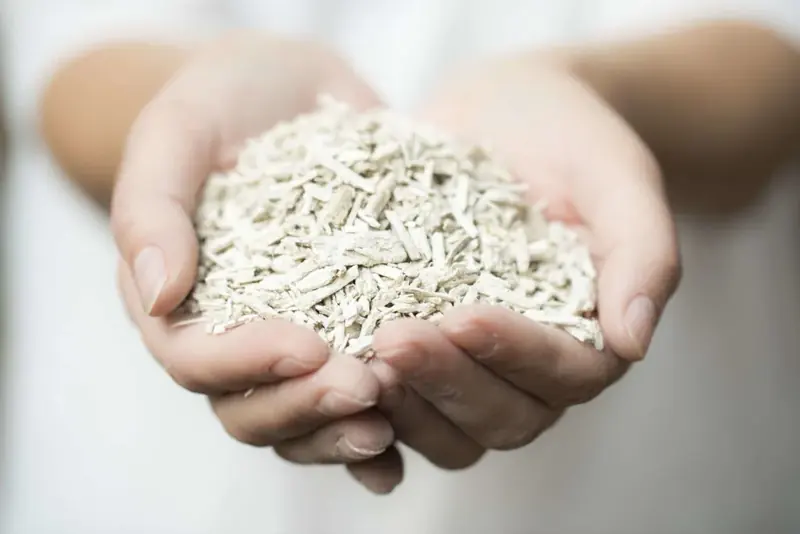
Hemp shiv and lime, dry mix poured into formwork. Exie · Herzele.
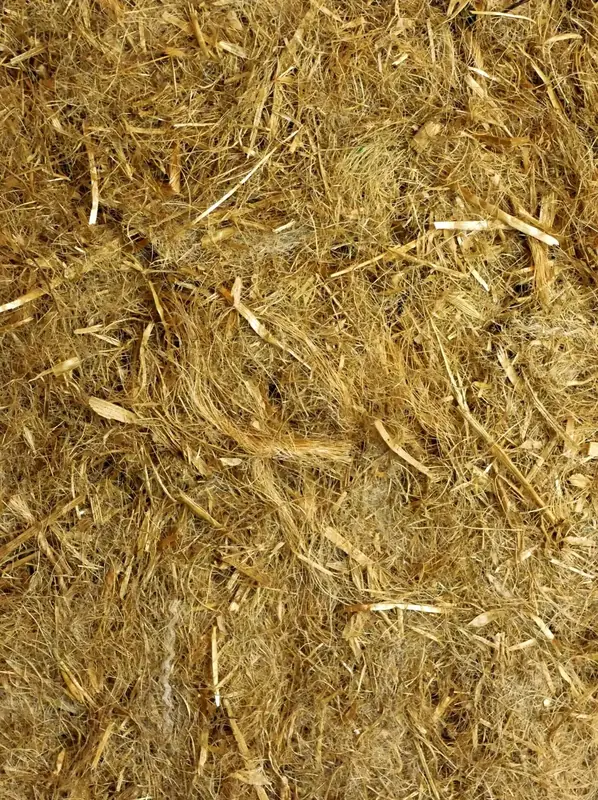
Grass and recycled jute, flexible board. Gramitherm · Auvelais.
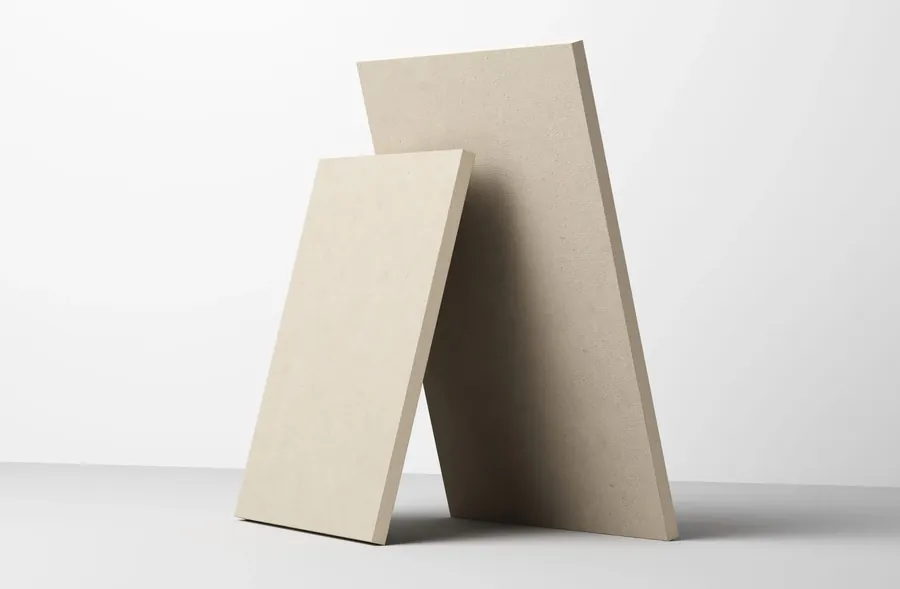
Paper mill sludge and recycled cardboard, resin-free. Honext · Barcelona.
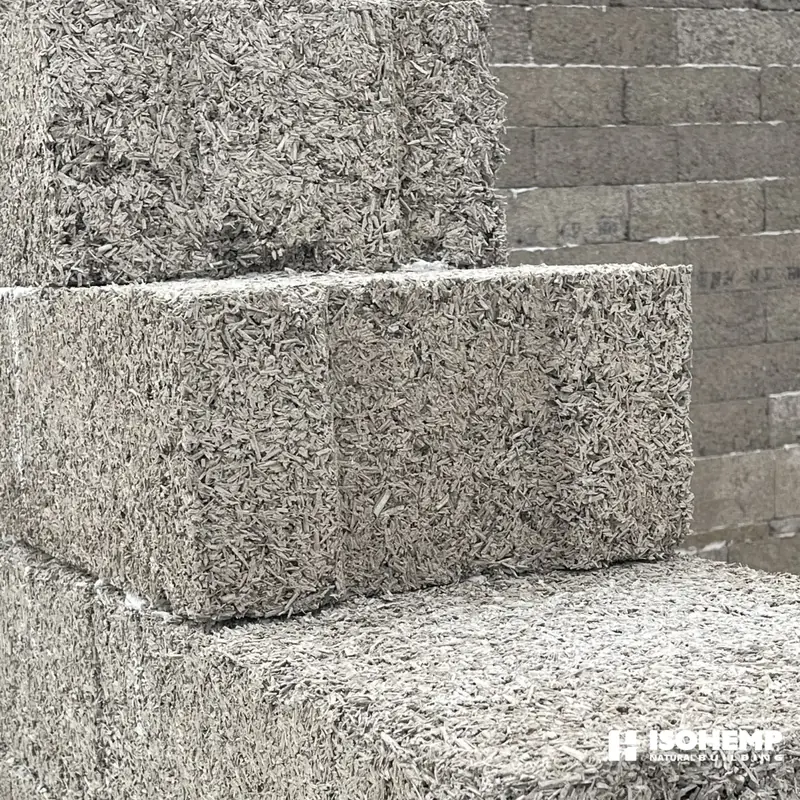
Hemp shiv and lime, moulded and air-dried. IsoHemp · Fernelmont.
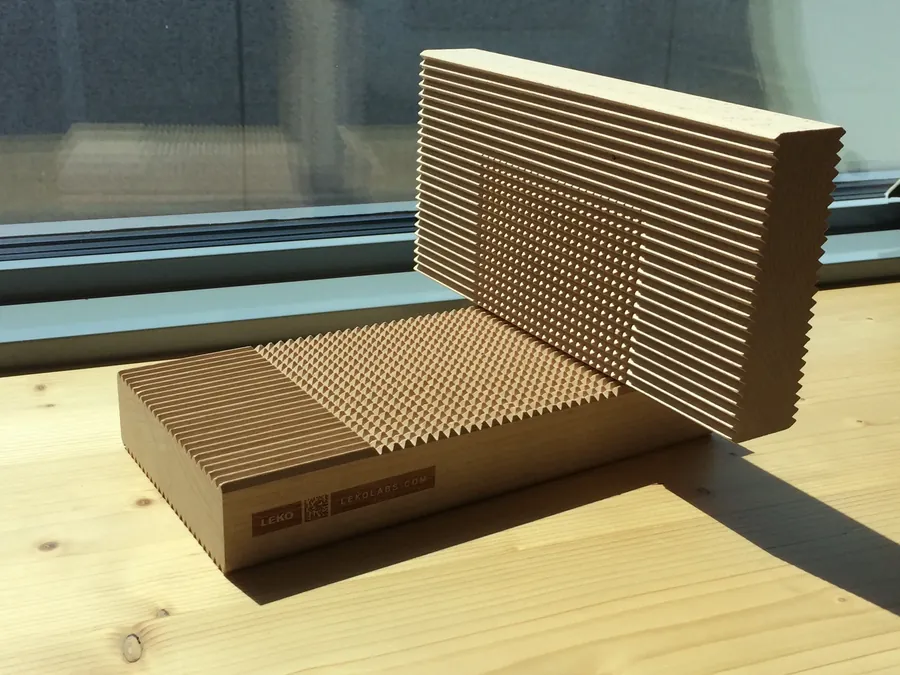
Timber lattice, robotic fabrication. Leko Labs · Foetz (Luxembourg).
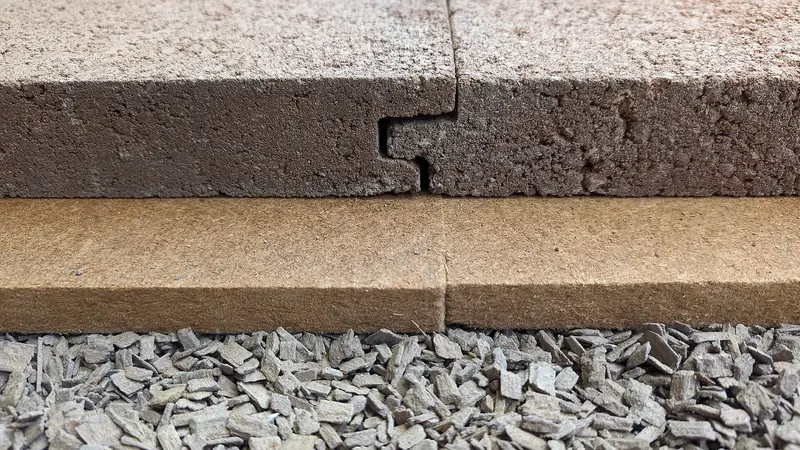
Mineral aggregates and cement, prefabricated panels laid dry. Lithotherm · Bad Kreuznach.
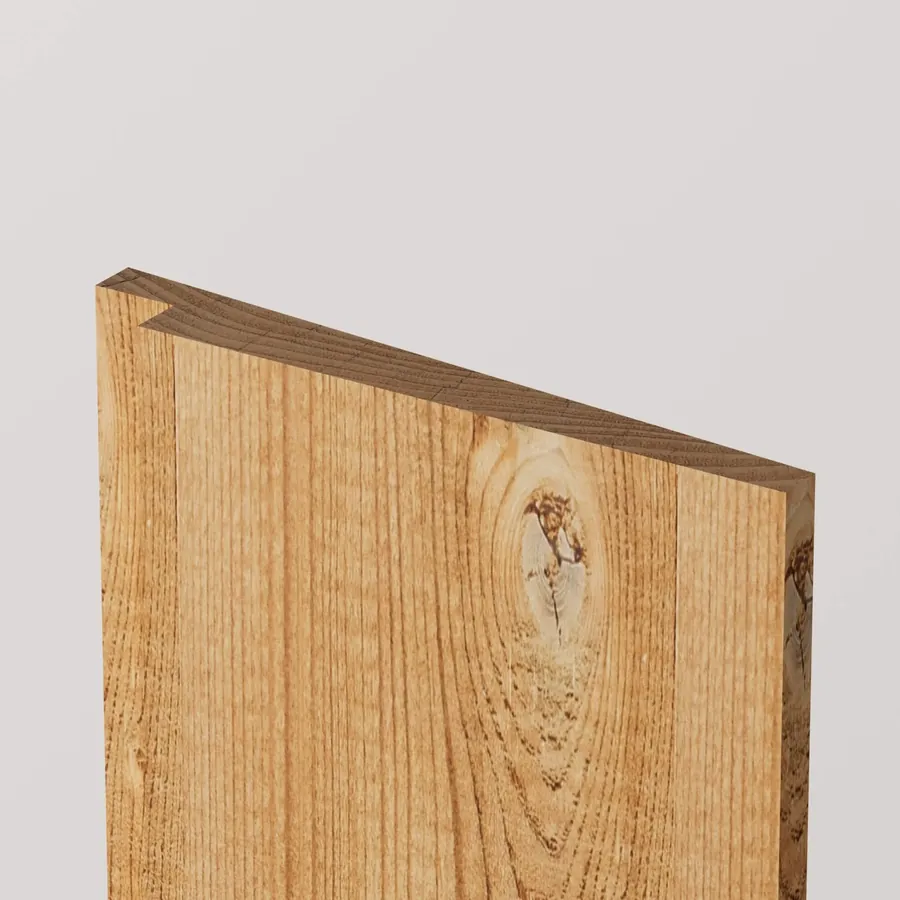
Frake, poplar or spruce, modified with water and heat. Platowood · Arnhem.
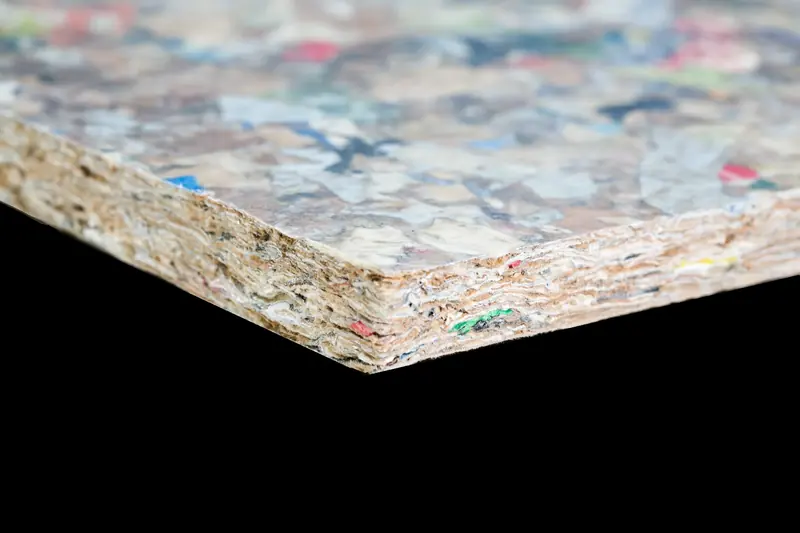
Recycled composite food packaging, remelted with no added binder. Recoma · Hässleholm.
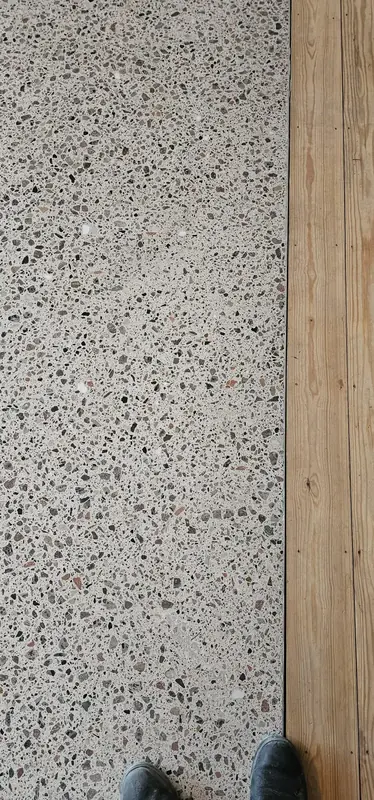
Recycled concrete and brick aggregates. L'alchimie des Matières · Fexhe-le-Haut-Clocher (BE).
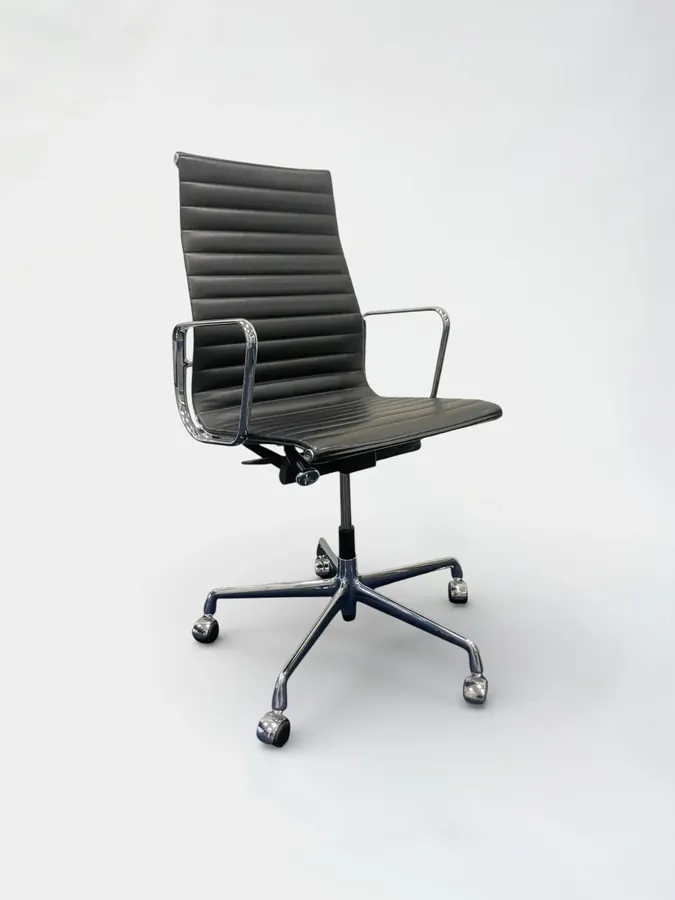
Second-hand office furniture, inspected and put back into service. Relieve Furniture · Brussels.
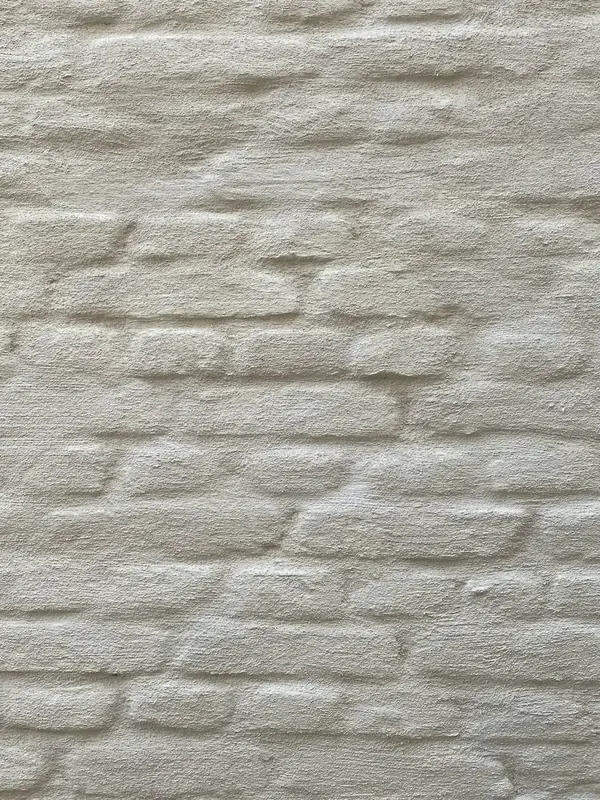
Natural hydraulic lime and aggregates, pre-mixed mortar. Arte Constructo · Schelle.
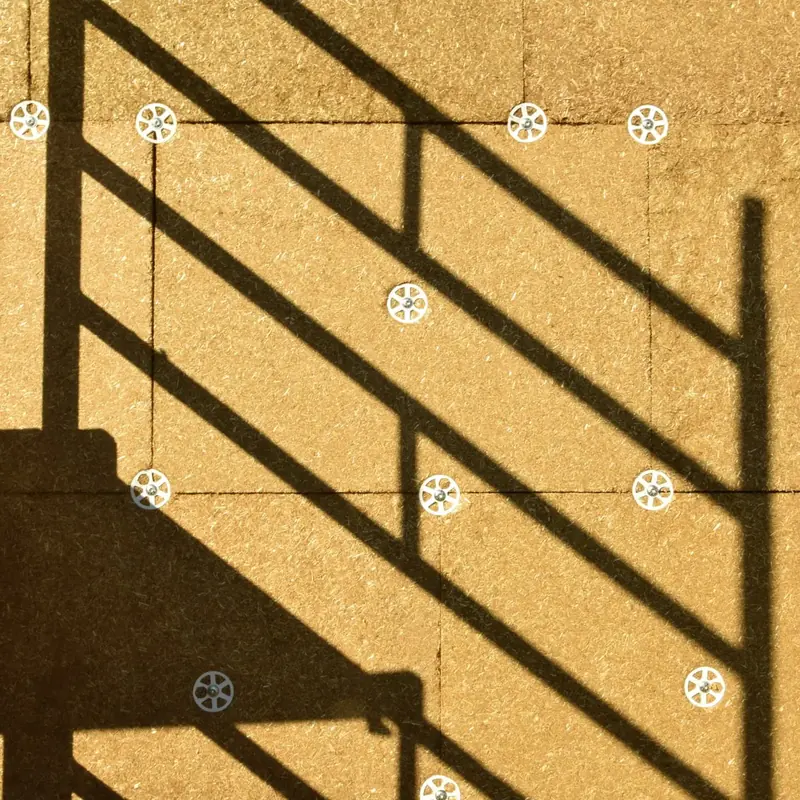
Straw and cellulose fibres, DefibraTech process. VestaEco · Wielki Łęck.
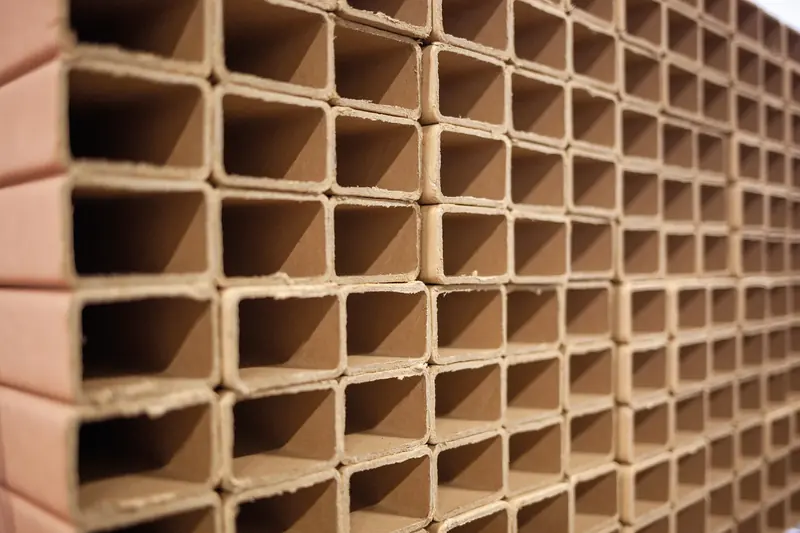
Post-consumer recycled paper, glued into a tubular profile. Wood Tube · Säffle.
No entries in this category. See all materials.